Russian and Ukrainian Strikes Kill Civilians as Zelenskyy Heads to UN Summit
A surge in deadly drone and missile attacks by Russia and Ukraine has killed several civilians, including children, as leaders prepare for critical talks at the United Nations.
By Isabel Navarro · First published 23 Sept 2026
In brief
- Russian drone and missile strikes in Ukraine have killed at least four people, including three children, near Kyiv and in industrial cities.
- Ukraine launched its largest drone attack yet on Moscow, damaging a major oil refinery and reportedly killing two people.
- Both countries have targeted each other's energy and industrial infrastructure in recent days, escalating the conflict.
- President Zelenskyy has publicly claimed responsibility for Ukrainian attacks on Moscow and is meeting world leaders at the UN General Assembly.
- The cycle of retaliatory strikes continues, with both sides warning of possible further escalations in the coming days.
Timeline · 8 moments
Russian drone attack kills children near Kyiv
Arab News ↗Ukraine launches largest-ever drone attack on Moscow
CBS Top Stories ↗Zelenskyy claims responsibility for attacks on Moscow
Le Monde ↗Videos show aftermath of drone strikes in Moscow
CBS Top Stories ↗Russian missile and drone attacks kill four in Dnipro
Franceinfo ↗Russia and Ukraine escalate strikes on energy targets
Deutsche Welle ↗Zelenskyy arrives in New York for UN General Assembly
Euronews ↗Russia strikes Kyiv petrol stations, killing one
World News CNA ↗How it started
The conflict between Russia and Ukraine has regularly seen both sides launching drone and missile attacks since Russia's invasion in 2022. In recent weeks, the intensity and frequency of these attacks have increased. Civilians have often been caught in the crossfire, but the latest wave of strikes has resulted in particularly high civilian casualties, including children. The escalation comes as Ukrainian President Volodymyr Zelenskyy prepares for significant meetings at the United Nations in New York.
How it unfolded
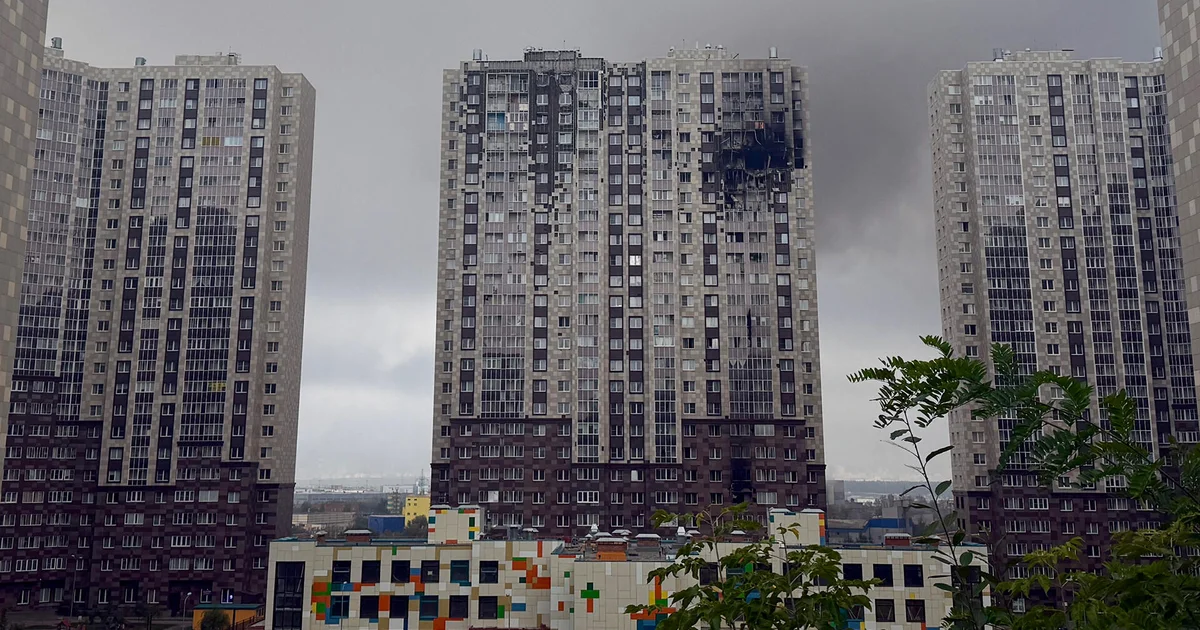
On September 20, Russian drone strikes killed four people, including three children, near Kyiv, according to Ukrainian authorities. The same day, Ukraine launched a massive drone attack on Moscow, which officials in the Russian capital described as the largest ever. This attack reportedly damaged a major oil refinery and killed at least two people.
Russian forces responded with more overnight strikes, using missiles and drones to hit several Ukrainian regions, including Dnipro, Kryvyi Rih, and Pavlohrad, killing at least four more civilians and injuring others. Both Russia and Ukraine have increasingly targeted energy and industrial facilities, aiming to disrupt each other's infrastructure.
As these attacks unfolded, President Zelenskyy traveled to the United States to attend the UN General Assembly. He met with US senators and thanked them for continued support, while also claiming responsibility for the Ukrainian strikes on Moscow.
The situation has drawn sharp international attention, especially as world leaders gather in New York to discuss the conflict and possible ways forward.
Where it stands
The conflict remains highly volatile, with both sides trading deadly strikes and causing civilian casualties. Russian attacks on Ukrainian cities continue, often targeting industrial and energy sites, while Ukraine is stepping up its own drone operations against Russian territory. President Zelenskyy is seeking further international support at the UN, but both sides warn that more attacks may be imminent. There is no sign of de-escalation as the war enters another tense phase.
What to watch
Attention is now on the outcomes of Zelenskyy's meetings with world leaders at the UN. Observers are closely watching for new international responses, possible sanctions, or military aid. Both Russia and Ukraine have hinted at further large-scale attacks, so the risk to civilians and infrastructure remains high in the coming days.
More in World
All →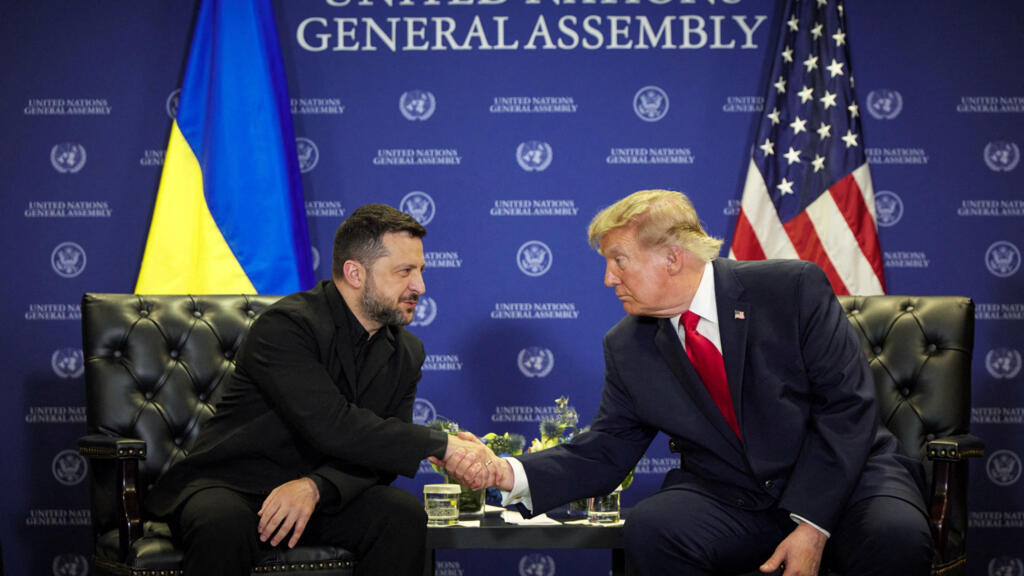
Zelensky Proposes Energy Ceasefire With Russia After Meeting Trump in New York
Ukrainian President Zelensky has offered to halt strikes on Russian energy sites if Moscow does the same, aiming to de-escalate the conflict before winter sets in.
27 sources · over 4 days
22-Year-Old Worker Dies After 10-Meter Fall at Rome's Colosseum
A young specialist worker died during night renovations at the Colosseum, prompting investigations and partial closures at one of Italy's most iconic landmarks.
9 sources · today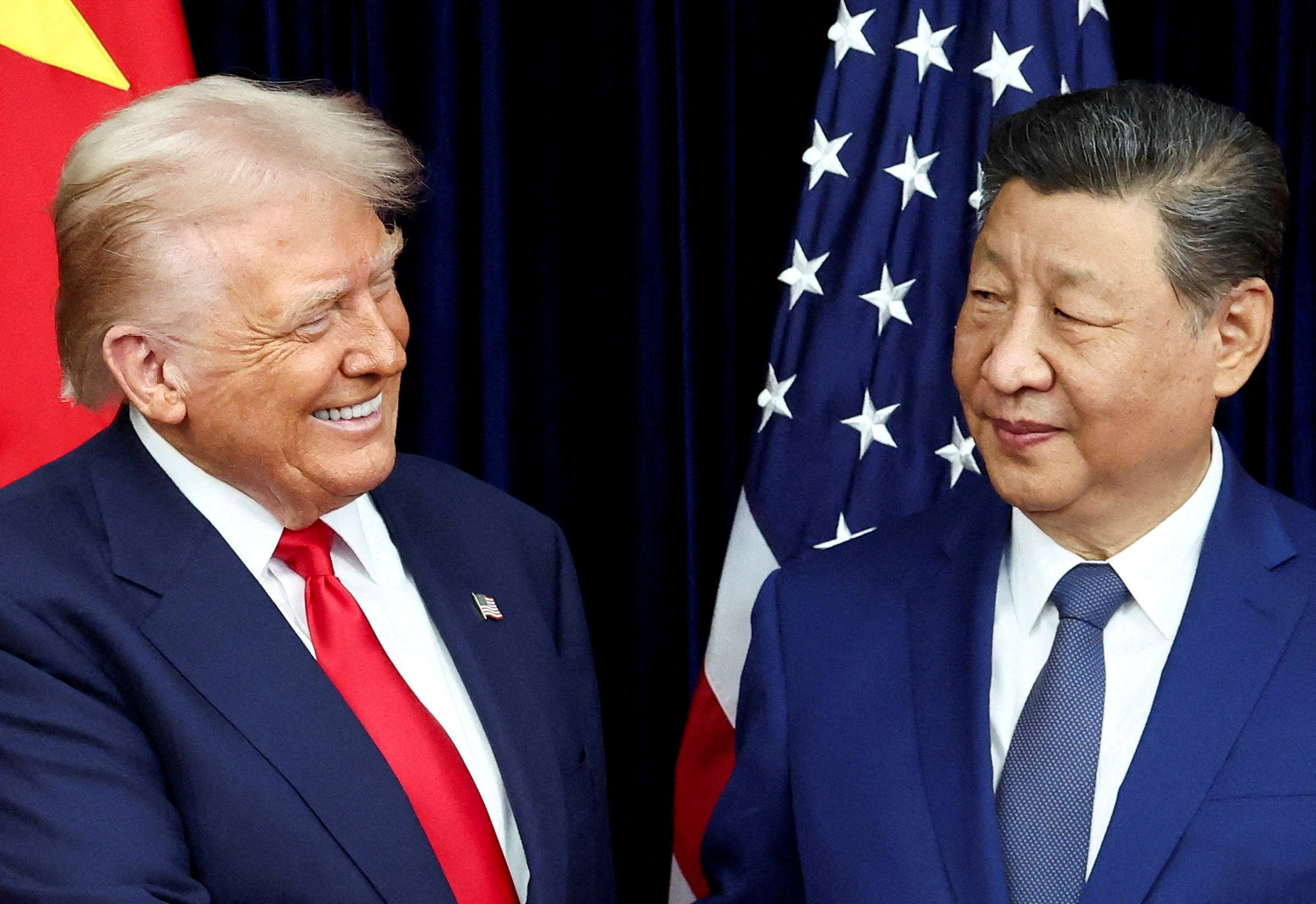
Xi Jinping Visits Washington for High-Stakes Summit With Trump After Ten Years
Chinese President Xi Jinping has arrived in Washington for a rare state visit, meeting President Donald Trump to address tensions over Taiwan, trade, and global stability amid shifting US alliances.
15 sources · over 3 days