Saudi Arabia Intercepts Houthi Missiles as France Sends Military Aid
After Houthi attacks targeted key Saudi cities and oil infrastructure, France pledged military support to bolster Saudi Arabia's defenses and protect vital energy exports.
By Jonas Weber · First published 25 Sept 2026
In brief
- The Houthi movement in Yemen launched six ballistic missiles targeting Saudi cities, including Yanbu and Taif.
- Saudi Arabia reported intercepting all six missiles before they could strike their intended targets.
- The attacks heightened concerns over the safety of Saudi oil infrastructure and global energy supplies.
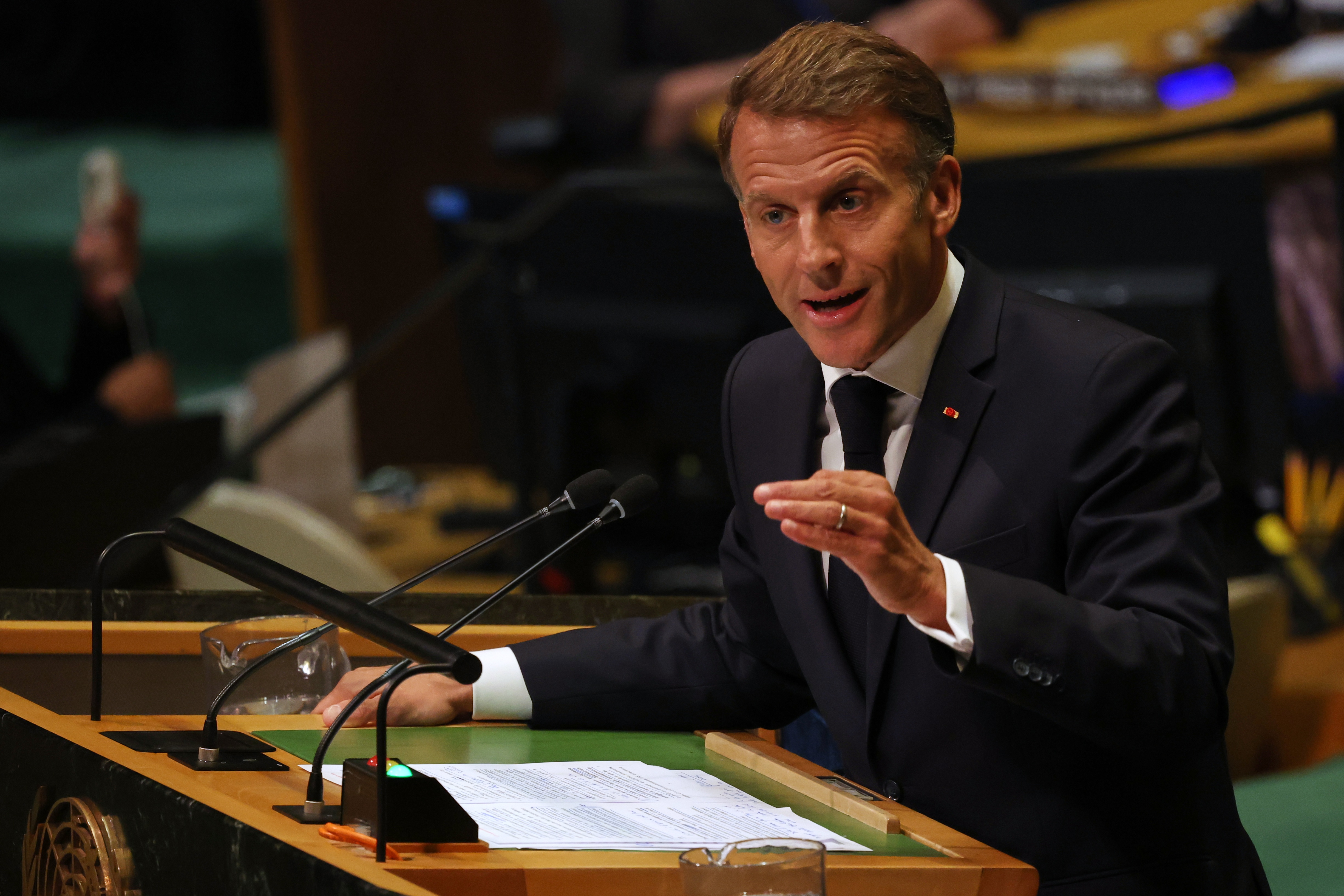
- French President Emmanuel Macron announced that France would send troops and defense systems to protect the Yanbu oil port.
- Tensions remain high with further Houthi threats, and the situation in the region is still developing.
Timeline · 5 moments
Houthis launch six ballistic missiles at Saudi cities
The New York Times ↗Saudi Arabia intercepts all six incoming missiles
Al Jazeera ↗Oil prices rise amid fears of supply disruption after attacks
Latest news, sport and opinion from the Guardian ↗French President Macron pledges military support for Saudi Arabia
Arab News ↗France confirms scope of military deployment and defensive focus
NYT World News ↗How it started
The conflict between Saudi Arabia and the Houthi movement in Yemen has been ongoing for years, with the Houthis frequently launching missile and drone attacks into Saudi territory. Tensions have often centered around strategic sites, especially those related to oil exports, which are crucial for global energy supplies.
In late September 2026, the situation escalated when the Houthis fired a new salvo of ballistic missiles at Saudi Arabia. These attacks targeted key cities in the kingdom and raised alarm over the security of vital energy infrastructure.
How it unfolded
On September 24, 2026, Saudi Arabia's military reported intercepting six ballistic missiles launched by the Iran-backed Houthi militia. The missiles were aimed at cities including Yanbu, home to a major oil port, and Taif. According to Saudi officials, none of the missiles reached their targets and there were no immediate claims of responsibility from the Houthis themselves.
As news of the interceptions spread, concerns about the safety of Saudi oil exports grew. The attacks led to a brief increase in global oil prices, reflecting fears of potential supply disruptions.
That same day, French President Emmanuel Macron announced that France would send military assets, including soldiers and defense systems, to Saudi Arabia. The goal is to help protect the Yanbu oil port, a key facility for Saudi oil exports. Macron emphasized the importance of shielding critical infrastructure from further attacks.
French officials clarified that their deployment would not involve direct combat against the Houthis but would focus on defensive measures around the oil port. Other European outlets confirmed that France would provide radar systems and additional protective equipment.
Saudi authorities also reported fresh Houthi threats against other regions, including Mecca, and said they remained on high alert for further attacks.
Where it stands
The immediate threat from the recent missile salvo has been neutralized, but the risk of further Houthi attacks remains. Saudi Arabia is maintaining heightened security across key infrastructure sites, especially oil ports.
French military support is expected to arrive soon, focusing on the defense of the Yanbu oil terminal. The situation is tense, with international attention on both the security of Saudi energy exports and the ongoing regional conflict.
What to watch
Observers are watching for signs of further missile or drone attacks by the Houthis and how quickly French military assets are deployed to Saudi Arabia. The impact on global oil markets and the possibility of broader international involvement in Saudi defenses are also key issues to monitor.
More in World
All →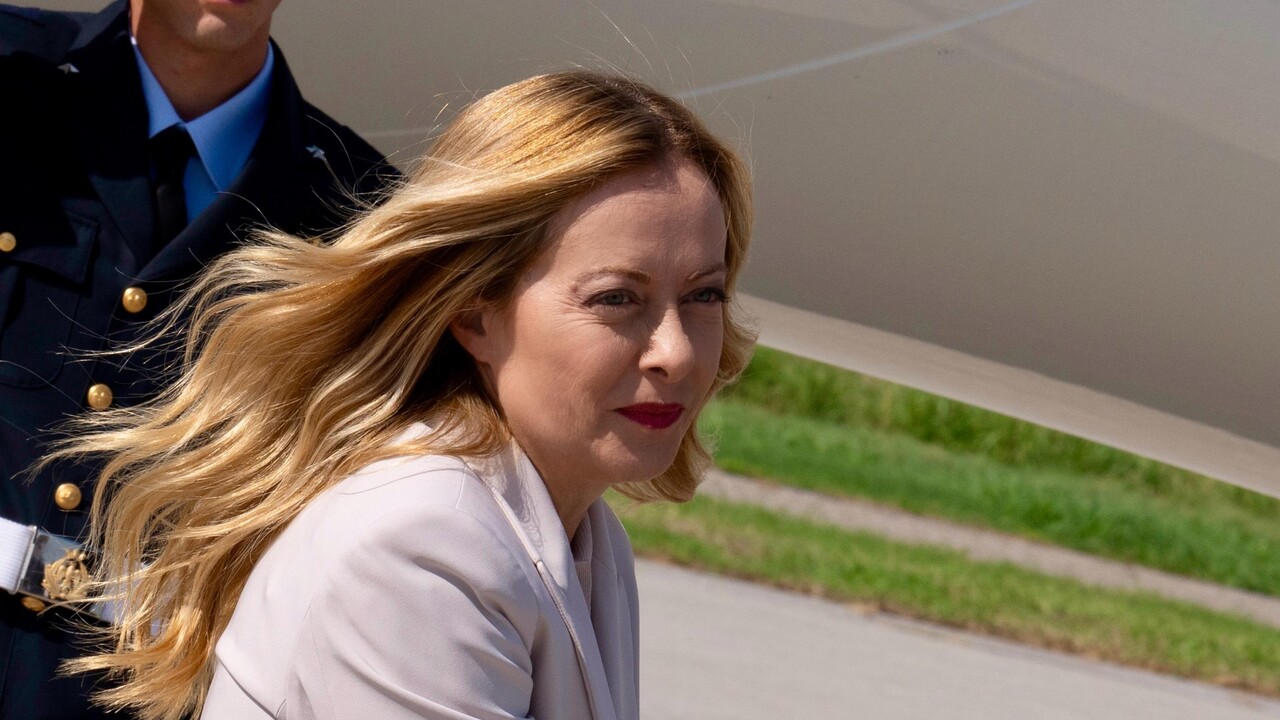
Italy Approves School Ban on Burqas and 30% Cap on Foreign Students
The Italian government has enacted a decree banning burqas and niqabs in schools and limiting non-Italian speaking students to 30 percent per class.
40 sources · over 5 days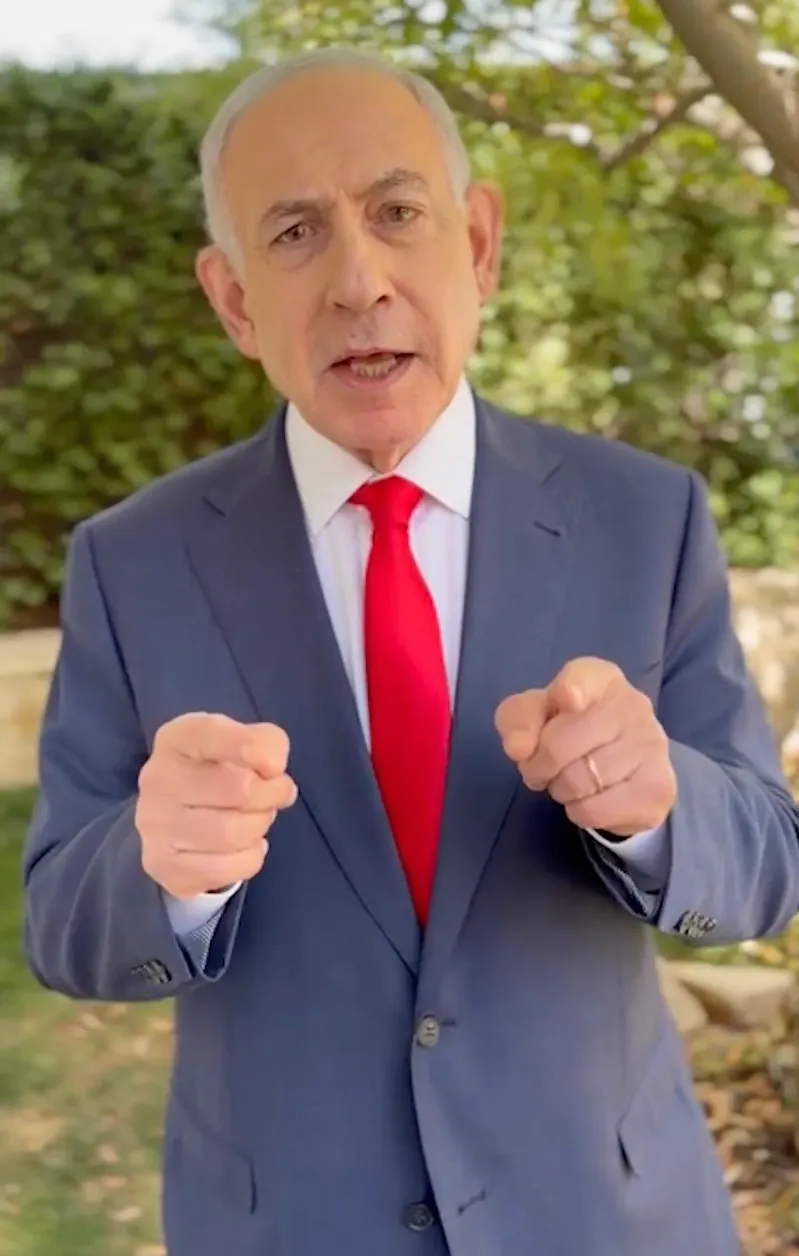
Netanyahu Confronts Walkout, Criticism During UN Assembly Speech
Netanyahu faced a delegate walkout and protests at the UN, responding sharply to critics including Mayor Mamdani.
53 sources · over 5 days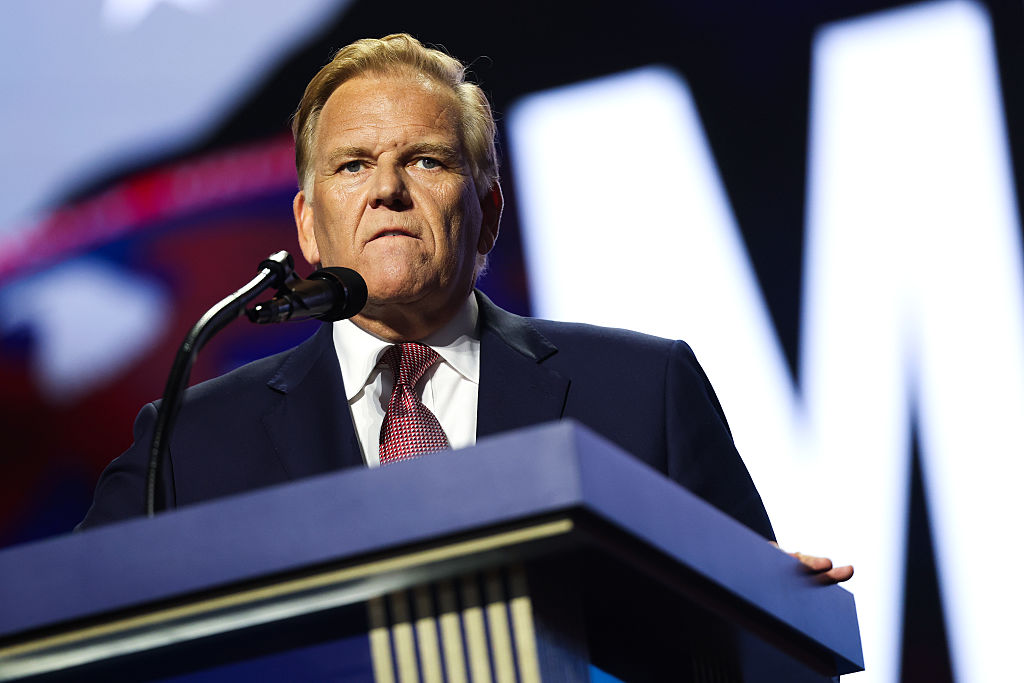
Republican Candidates Break With Trump on Iran War as Midterms Near
Facing growing public opposition to the Iran war, more Republicans are shifting away from Trump's policy ahead of crucial midterm elections.
12 sources · over 3 days