Scientists Replace Mouse Brain Cortex With Human Neurons in Landmark Study
Researchers have successfully integrated human neurons into mouse brains, creating powerful new tools for studying brain diseases but raising pressing ethical questions about animal experimentation.
By Grace Whitfield · First published 16 Sept 2026
In brief
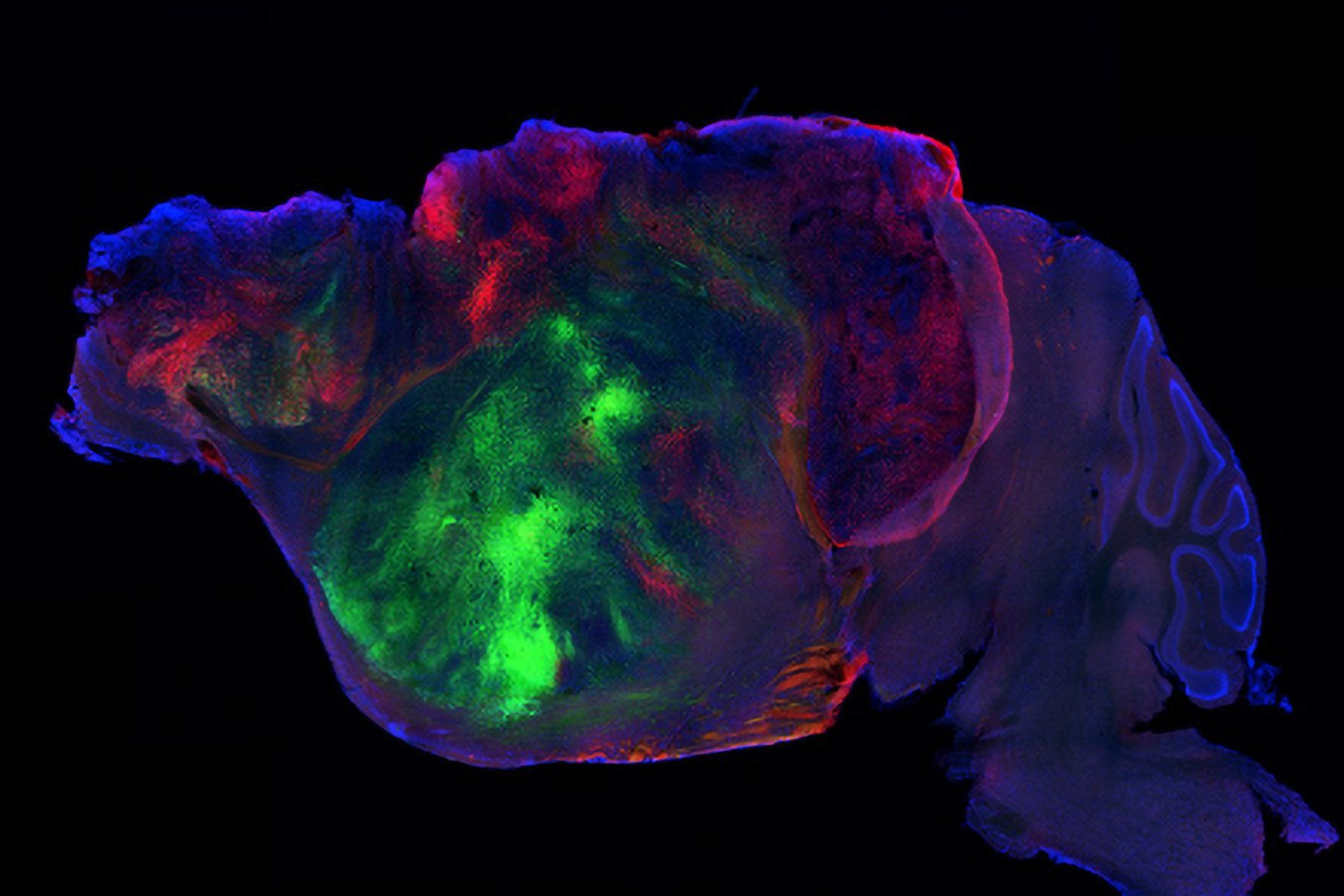
- Scientists replaced large sections of mouse brain cortex with human-derived organoids grown from stem cells.
- The mice used in the study had their own brain tissue deliberately reduced to allow space for the human organoids.
- These hybrid mice are able to survive and show brain activity, providing new ways to study neurodevelopmental disorders.
- The breakthrough could help scientists better understand and develop treatments for conditions such as cerebral palsy and epilepsy.
- The results have sparked new ethical debates about the treatment of animals with human-like brain structures and capacities.
Timeline · 4 moments
Human neurons flourish after being implanted in mouse brains
Science Magazine ↗Scientists grow organoids to fill mouse brains missing cortex
STAT News ↗Mice with human cortex cells tracked in behavioral experiments
MIT Technology Review ↗Brain organoids restore some functions in mice with reduced cortex
New Scientist ↗How it started
For years, neuroscientists have sought better models to study human brain development and disease. Traditional animal models do not fully replicate the complexity of the human brain, limiting their usefulness for studying certain disorders.
Advances in stem cell research enabled scientists to grow cerebral organoids, which are miniature, three-dimensional clusters of brain-like tissue, from human stem cells. These organoids mimic some features of human brain development and have become valuable tools in the lab.
The next step was to see if these organoids could be integrated into living brains, providing a more accurate model for how human neurons function in real neural circuits.
How it unfolded
On September 16, 2026, several outlets reported that researchers had successfully replaced much of the mouse cortex with human brain organoids. The mice had part of their brain tissue removed, creating space for the human-derived organoids to be implanted.
According to Science Magazine, the human neurons not only survived but also flourished, establishing connections within the mouse brain. STAT News explained that these mice had 'half a brain' before the human tissue was introduced, marking a major technical achievement.
MIT Technology Review described how researchers used sophisticated tracking technology to monitor the behavior of these mice, noting changes in movement and activity. Live Science and New Scientist both highlighted that the implanted human organoids restored some cognitive abilities in the mice, suggesting real integration with the host brain.
The BBC reported that the work was carried out at Stanford University, where mice were genetically altered to better accept and function with the implanted human cells. This approach opens new avenues for studying diseases that affect the human cortex.
Where it stands
Researchers now have a new model for studying human brain disorders in a living system. Early results show that human neurons can survive, grow, and even restore some functions in the mouse brain.
At the same time, the work has generated significant ethical debate. Experts are discussing how the presence of human brain cells in animals might affect their cognition and welfare, and whether new guidelines are needed for such experiments.
What to watch
Scientists will continue to monitor these mice to see how human cells integrate over time and whether they develop unique behaviors. The research community is also watching for regulatory and ethical responses, as the boundary between animal and human brain research is being tested in new ways.
More in Science
All →
US Space Force Publicly Confirms Deployment of Weapons in Orbit for First Time
The United States has officially acknowledged it has weapons stationed in space, citing rising security concerns about China and Russia as the reason for revealing these capabilities now.
39 sources · over 2 days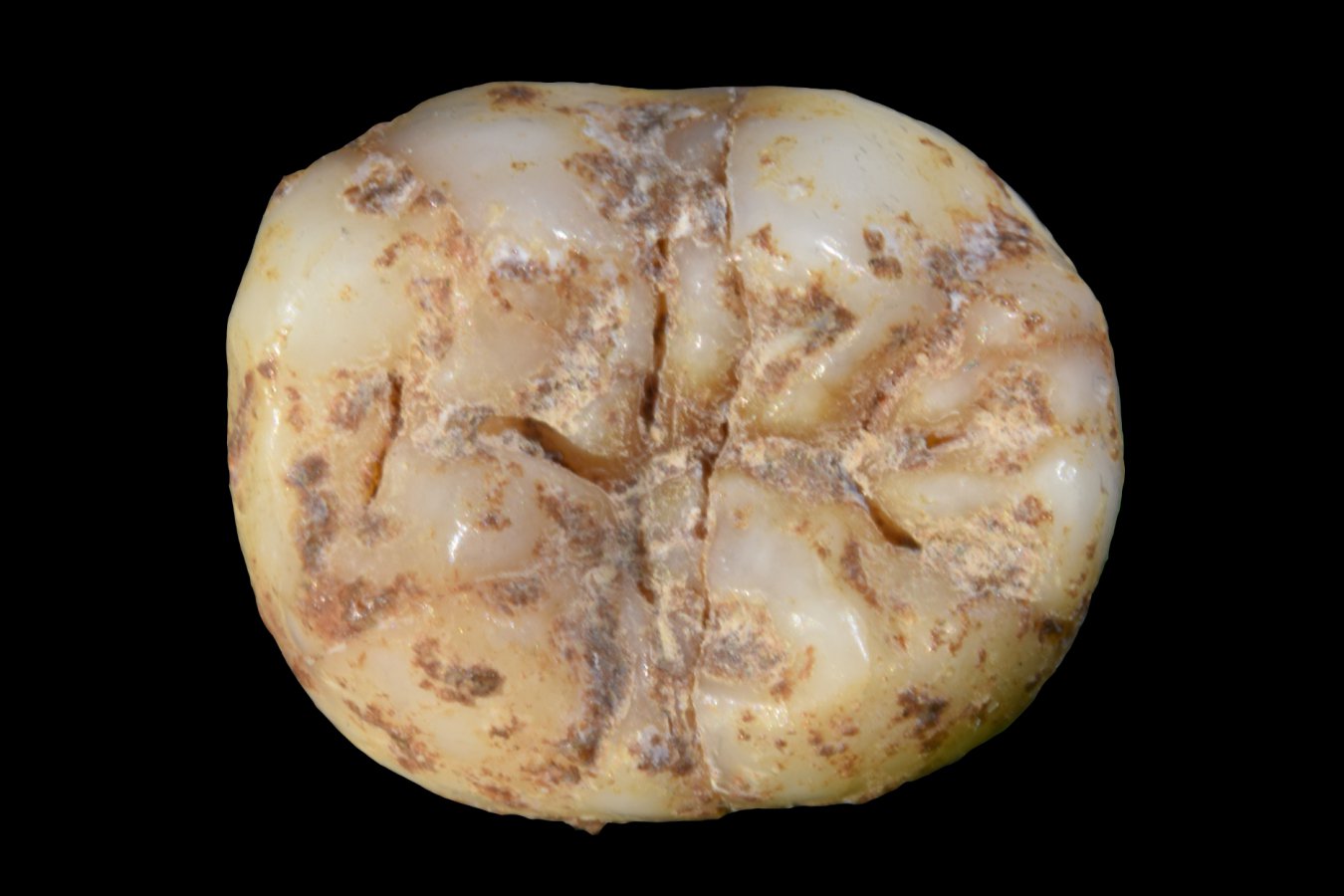
First Denisovan Forearm Bone and Tools Discovered in Southwest China Cave
Recent fossil and tool discoveries in a Chinese cave reveal Denisovans lived there for over 100,000 years, shedding new light on their physical traits and lifestyle.
8 sources · over 2 days
Google DeepMind Unveils AlphaGenome Atlas Mapping 9 Billion Human DNA Mutations
Google DeepMind has released the AlphaGenome Atlas, a massive AI-powered resource predicting the effects of every possible human DNA mutation to advance genetic disease research.
11 sources · over 3 days