Steve Bannon and Bernie Sanders Join Forces at Washington AI Safety Conference
A rare bipartisan alliance between Steve Bannon and Bernie Sanders is urging Congress to regulate artificial intelligence, as concerns about AI's risks grow louder ahead of the US midterm elections.
By Ethan Cole · First published 15 Sept 2026
In brief
- Steve Bannon and Bernie Sanders, usually fierce political opponents, have united to advocate for stronger regulations on artificial intelligence.
- Both leaders are speaking at a major conference in Washington focused on the potential dangers posed by rapidly advancing AI systems.
- Their collaboration highlights growing bipartisan anxiety over AI's impact on jobs, democracy, and national security.
- The event brings together lawmakers, religious leaders, parents, and artists, reflecting broad public concern about unchecked AI development.
- Congress is now under increased pressure to craft legislation addressing AI risks, but clear regulatory action has not yet emerged.

Timeline · 6 moments
Sanders and Bannon announce joint call for AI regulation
Financial Times World ↗Conference featuring Bannon, Sanders, and AI researchers is confirmed
Gizmodo Tech ↗Event draws attention for bipartisan approach to AI safety
NYT Politics ↗Bannon and Sanders address Washington summit on AI dangers
AI - The Guardian ↗Bipartisan calls for regulation put Congress under pressure
The New York Times ↗AI regulation debate intensifies ahead of midterm elections
The Wall Street Journal Tech ↗How it started
Artificial intelligence has been a contentious political issue, but until recently, alliances around it tended to fall along familiar party lines. Steve Bannon, a prominent figure on the right, and Bernie Sanders, a leading voice on the left, have long been adversaries on most topics.
Concerns about AI's rapid development and its potential risks, including job loss, misinformation, and national security threats, have been mounting. The sense of urgency escalated as AI systems became more powerful and began to influence everything from the economy to election campaigns.
Amid these worries, Bannon and Sanders found unexpected common ground. Both believe that powerful interests in technology are moving too fast, and that government action is needed to put people first.
How it unfolded
On September 14, reports emerged that Steve Bannon and Bernie Sanders would appear together at an event calling for AI regulations. This news was notable not only for their shared message, but also because it marked a rare moment of cooperation between two longtime political foes.
According to coverage, the conference was organized to highlight the dangers of unchecked AI and advocate for a 'pro-human' approach to technology policy. The event featured other figures, including researchers and advocates, but Bannon and Sanders drew the most attention because of their contrasting backgrounds.
By September 15, the event was underway in Washington. Lawmakers, activists, and citizens gathered to hear Bannon and Sanders speak about the urgent need for Congress to regulate AI. Both expressed concerns about the influence of tech companies and the risk of AI systems outpacing democratic control.
The pair offered different visions on related issues, such as the role of China in AI competition, but both agreed that immediate action was necessary. The conference became a focal point in the ongoing debate about how the US should handle AI risks, especially as the topic gained traction in the run-up to the midterm elections.
Where it stands
The Bannon-Sanders alliance has brought new momentum to the push for AI regulation. Their joint appearance highlighted the urgency and broad appeal of the issue, drawing interest from across the political spectrum.
Despite growing pressure, Congress has not yet passed significant legislation to address AI risks. Lawmakers are now facing increased calls to act, but the specifics of any future regulations remain uncertain.
What to watch
Attention now turns to Congress, where lawmakers must decide whether to move forward with new rules on AI. The bipartisan nature of the Bannon-Sanders push could help break the deadlock, but it remains to be seen how quickly or effectively Washington will respond.
More in Politics
All →
US Iran War Costs Reach $38 Billion as Inflation Rises
The Congressional Budget Office says the Iran war has cost the US $38 billion so far and is driving inflation higher.
39 sources · over 2 days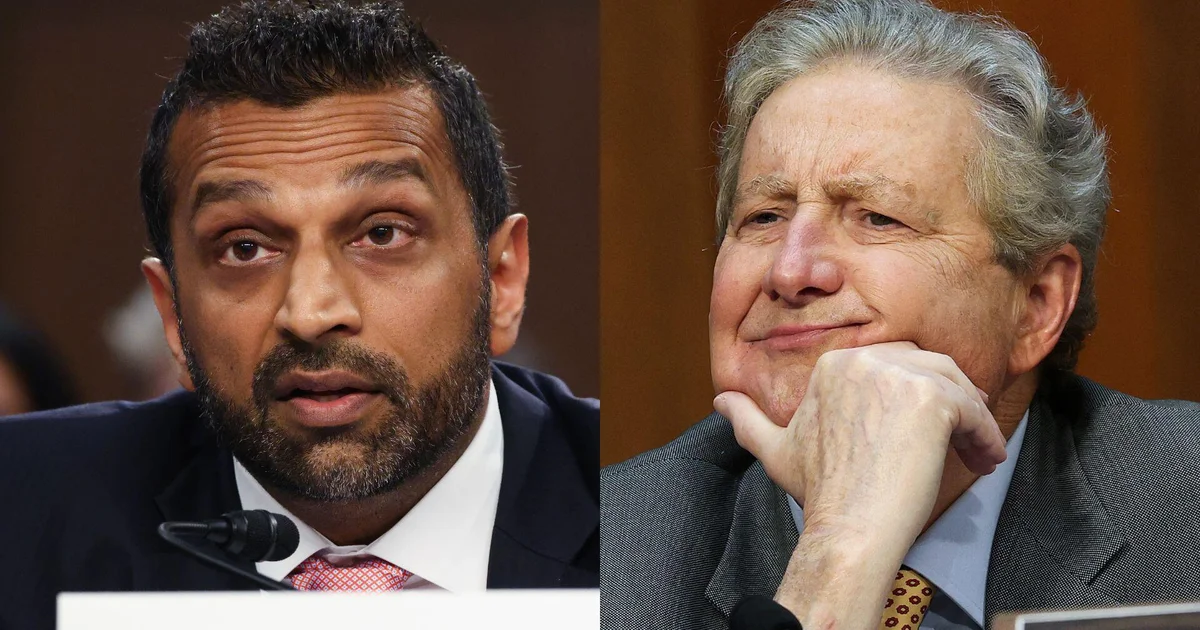
FBI Director Kash Patel Faces Senate Judiciary Committee Amid Policy Controversy
FBI Director Kash Patel's first Senate testimony since May focused on agency leadership and contentious changes to FBI hiring policies, drawing intense questions from both parties.
16 sources · over 2 days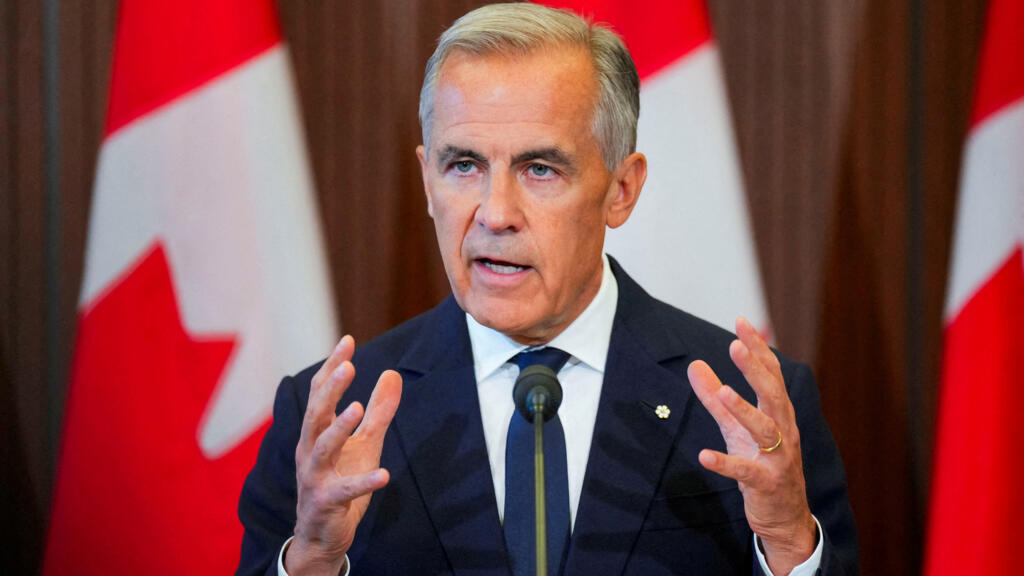
Canada Pursues Closer Ties with EU as US Trade Dispute Deepens
Canada's prime minister is seeking an unprecedented partnership with the European Union, aiming to reduce economic reliance on the United States amid escalating tariffs and political tensions.
27 sources · over 3 days