Tens of Thousands Attend London Vigil for Late Professor Jason Arday
The death of Jason Arday, Cambridge's youngest Black professor, has ignited debate over racism, media scrutiny, and academic pressure in the UK, as an inquest and disciplinary probes continue.
By Oliver Hartmann · First published 16 Aug 2026
In brief
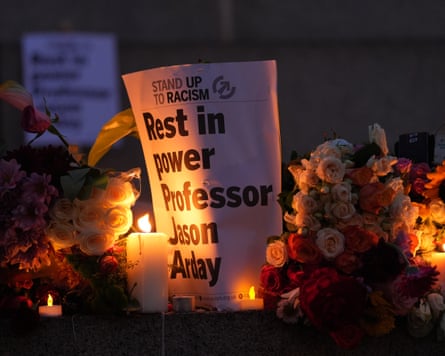
- Tens of thousands attended a vigil in Trafalgar Square for Jason Arday, condemning the public scrutiny he faced.
- An ongoing inquest into Arday's death is being conducted in London, with further directions expected from the coroner.
- Cambridge University halted its investigation into plagiarism allegations after Arday's death, which has sparked debates on academic pressure and racism.
- Nathan Cofnas, who publicized the plagiarism claims, was suspended by Ghent University amid concerns over his conduct and alleged racism.
- Arday's family plans to publish his memoir, aiming to honor his legacy and provide insight into his life and struggles.
Timeline · 6 moments
Jason Arday found dead at his London home
Times of India Top Stories ↗Cambridge University condemns media treatment of Arday
World News CNA ↗Nathan Cofnas suspended after plagiarism allegations
The Independent ↗Arday's memoir to be published as planned
The Independent ↗Inquest into Jason Arday's death begins
BBC News ↗Cofnas allowed to resume limited work during inquiry
The Independent ↗How it started
Jason Arday rose rapidly in British academia, becoming the youngest Black professor at Cambridge at age 37, according to DN.se. He was known for his research, public advocacy, and personal story of overcoming autism and educational barriers.
In the months leading up to his death, Arday faced public allegations of plagiarism and questions over his academic credentials. The controversy began to intensify in the summer of 2026, with increasing media attention and scrutiny from colleagues and commentators. Arday denied the plagiarism claims. Cambridge University initially dismissed the allegations but later announced an independent investigation, which was halted after his resignation and subsequent death.
How it unfolded
On August 14, 2026, Jason Arday was found dead at his London home. He was 41 years old. The Times of India and Time.news reported that he had resigned from Cambridge nine days prior, following the plagiarism controversy. Authorities described his death as unnatural, and an inquest is ongoing, according to BBC News and the Evening Standard.
The days after his death saw an outpouring of grief and anger. On August 17, tens of thousands gathered in Trafalgar Square for a vigil organized by Stand Up To Racism. The Guardian estimated the crowd at 30,000. Family members and public figures at the event condemned the "public cruelty" Arday faced, with Lord Woolley describing him as a victim of relentless pressure and calling for an inquiry into his death, as reported by PA Media and The Independent.
The story quickly shifted to the role of media and academia. Cambridge University and its chancellor publicly criticized the negative media coverage and the "feeding frenzy" around Arday, according to World News CNA. Many scholars and commentators argued that racism and institutional bias played a significant role in the way Arday was treated, as highlighted by Al Jazeera and DIE WELT.
Attention also turned to Nathan Cofnas, the academic who first publicized the plagiarism allegations. Ghent University suspended Cofnas on August 20, as reported by The Independent and NYT World News, citing concerns about his conduct and, according to La Repubblica, alleged racism. Cofnas claimed he was being scapegoated and said he had received death threats, according to the Times of India. On August 28, The Independent reported that Cofnas was allowed to resume some academic work while a disciplinary investigation proceeds.
Where it stands
The inquest into Jason Arday's death is ongoing in London, with further directions expected from the coroner, according to BBC News and the Evening Standard. The university investigation into the plagiarism allegations was halted after Arday's death.
Arday's family has announced that his memoir will be published as planned, aiming to honor his legacy. Meanwhile, Ghent University's inquiry into Nathan Cofnas continues, reflecting ongoing tensions about academic responsibility and free speech. The debate about the treatment of Black scholars, media ethics, and institutional racism in higher education remains heated.
What to watch
Key questions remain over the final outcome of the inquest into Arday's death, and whether calls for a public inquiry will be heeded. The disciplinary process at Ghent University could set a precedent for how universities handle allegations and whistleblowers in sensitive cases. The forthcoming publication of Arday's memoir may also shape public understanding of his life and the events leading up to his death.
More in Health
All →
Lionel Richie Hospitalized in ICU After On-Stage Health Scare in St. Louis
Lionel Richie, 77, was rushed to intensive care after falling ill during a St. Louis concert, raising concerns among fans and prompting questions about his ongoing health as he recovers.
18 sources · over 3 days
Ebola Outbreak in DR Congo Surpasses 3,000 Deaths and 6,000 Cases
The Democratic Republic of Congo is battling its deadliest Ebola epidemic on record, with cases and deaths rising quickly as violence and weak health systems hamper efforts to contain the virus.
54 sources · over 6 days
Scott McTominay to Miss a Month After Heart Surgery for Benign Arrhythmia
Napoli midfielder Scott McTominay will be sidelined until October following surgery for a mild benign arrhythmia, ruling him out of both club matches and Scotland's international fixtures this month.
9 sources · over 2 days