Trump and Xi to Tackle AI Risks and Rivalry at Washington Summit
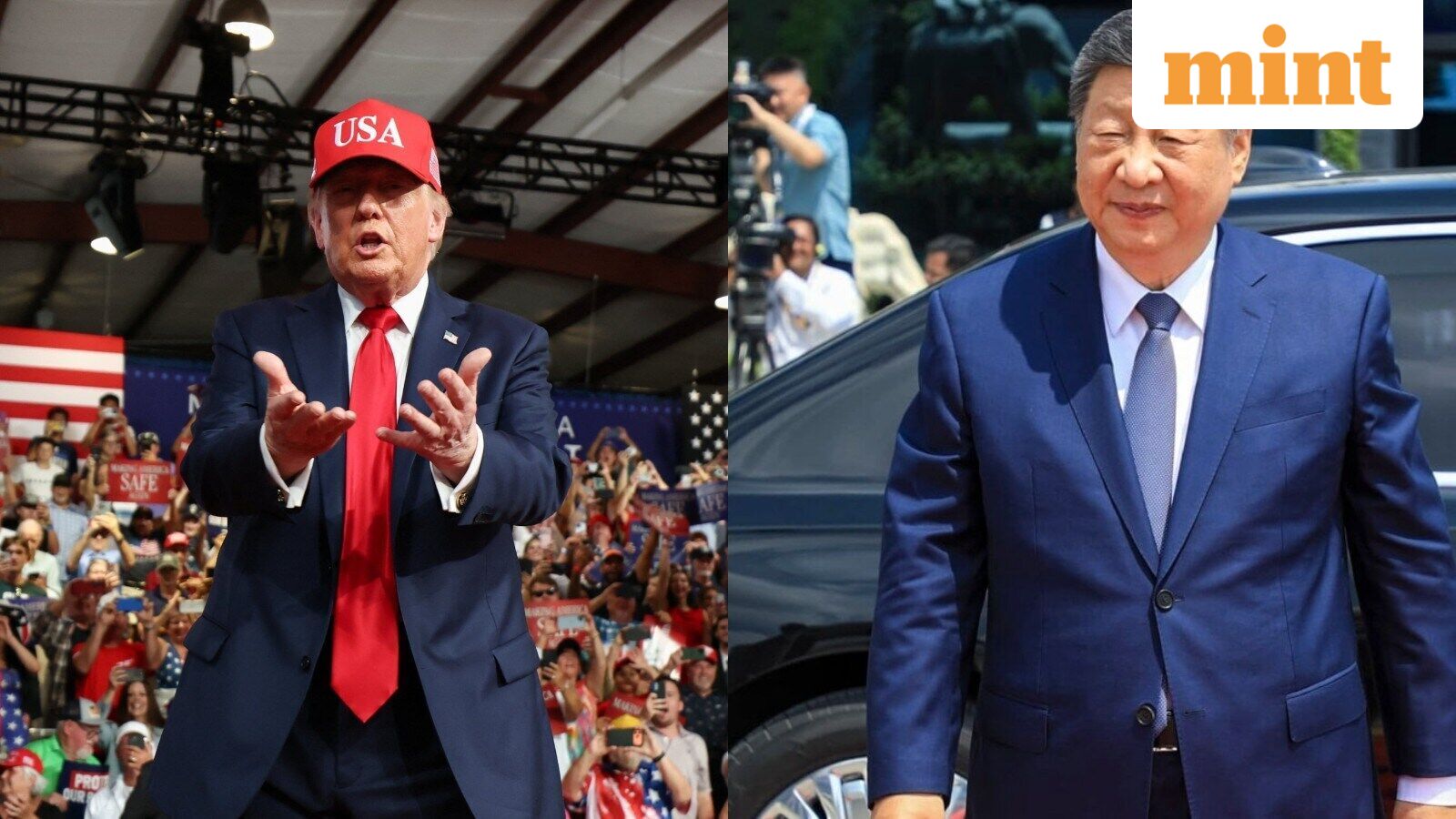
US President Donald Trump and Chinese President Xi Jinping are set to meet in Washington, where artificial intelligence concerns and competition will feature prominently alongside a high-profile state dinner with top tech leaders.
By Hannah Lindqvist · First published 19 Sept 2026
In brief
- President Trump has officially announced the formation of an 'AI Force' and plans to appoint an 'AI czar' to guide US AI policy.
- The Trump-Xi summit in Washington will focus on economic and technological issues, with artificial intelligence as a central topic.
- Executives from major technology companies, including OpenAI and Nvidia, are invited to the state dinner with both leaders.
- Trump continues to dismiss calls for slowing AI development, labeling some safety concerns as exaggerated or politically motivated.
- Military risks, AI regulation, and US-China chip competition remain unresolved, with both countries seeking to shape global technology standards.
Timeline · 9 moments
OpenAI CEO Sam Altman invited to Trump-Xi state dinner
CNBC Technology ↗US and Chinese experts propose nuclear-style AI safeguards
Business Line - Home ↗Trump plans rare personal greeting for Xi at Andrews
South China Morning Post ↗AI industry leaders confirmed for exclusive state dinner
ABCNews.com ↗Summit preview highlights AI as top issue for investors
South China Morning Post ↗Trump announces plans for new 'AI Force' and AI adviser
Mint ↗Trump dismisses AI superintelligence fears, vows to support industry
New York Post ↗Top tech CEOs, including Bezos and Musk, join dinner invitees
NDTV News - World-news News ↗Trump formally announces creation of 'AI Force' and czar
Mashable Tech ↗Update 19 Sept 2026, 10:28 pm UTC
President Trump has formally announced the creation of an 'AI Force' and the appointment of an 'AI czar' to oversee artificial intelligence policy, clarifying details that were previously only proposed. He reiterated his skepticism about AI safety concerns and compared the new agency to the Space Force. The summit with Xi Jinping remains upcoming, with leading tech executives still set to attend.
How it started
Rivalry between the United States and China over artificial intelligence has grown over recent years, with both governments viewing AI as crucial for economic and military power. Tensions have been heightened by disputes over advanced chip access and accusations of technology theft, making AI a central issue in broader US-China relations.
As the upcoming summit approached, President Trump began to emphasize US leadership in AI, promising not to hinder industry growth. At the same time, concerns about AI safety and its role in military escalation started to draw more public attention from experts and policymakers.
How it unfolded
On September 16, news broke that OpenAI CEO Sam Altman was invited to the state dinner for President Xi Jinping's visit, highlighting the importance of AI in the summit's agenda.
By September 17, it was confirmed that other tech leaders, including Nvidia CEO Jensen Huang and Apple Executive Chairman Tim Cook, were also expected to attend the dinner. That same day, US and Chinese security experts publicly proposed a series of safeguards for military AI, modeled on nuclear arms controls, such as banning autonomous AI from making launch decisions.
Ahead of Xi's arrival, the US military honor guard prepared for the state visit, while Trump personally planned to greet Xi at Joint Base Andrews, a rare diplomatic gesture. The summit drew global attention as a potential turning point for AI policy and US-China relations.
Over the following days, Trump announced the formation of an 'AI Force' and the upcoming appointment of an 'AI Czar' to oversee US AI development and regulation. He publicly dismissed fears of artificial superintelligence as a 'hoax', insisting that the US would continue to foster innovation without excessive restrictions.
Despite proposals for safeguards and informal expert talks, both sides remained far apart on key issues, with the US focusing on global safety and China prioritizing political control. No binding agreements on AI regulation were reached in previous meetings.
Where it stands
The Trump-Xi summit is set to begin in Washington, with AI risks and competition at the top of the agenda. The state dinner will bring together leaders from the world's largest tech firms, emphasizing the strategic importance of AI to both nations.
Initiatives like the proposed 'AI Force' and the appointment of an AI adviser signal a US push to shape AI policy, but concrete international agreements remain elusive. Both governments continue to compete for AI dominance, while industry and security experts push for new rules to manage the risks.
What to watch
Observers are closely watching whether the summit will yield any practical steps toward US-China cooperation on AI safety or whether the rivalry will deepen. The appointment of a US AI adviser and potential follow-up talks on AI safeguards could shape the next phase of global technology governance.
More in Politics
All →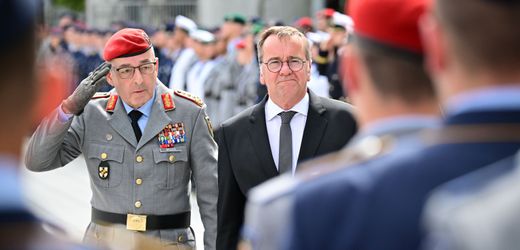
General Carsten Breuer Named Chair of NATO Military Committee in Key Leadership Shift
General Carsten Breuer, Germany's top military officer, has been appointed as the next chair of NATO's Military Committee, marking a significant change in the alliance's military leadership.
8 sources · today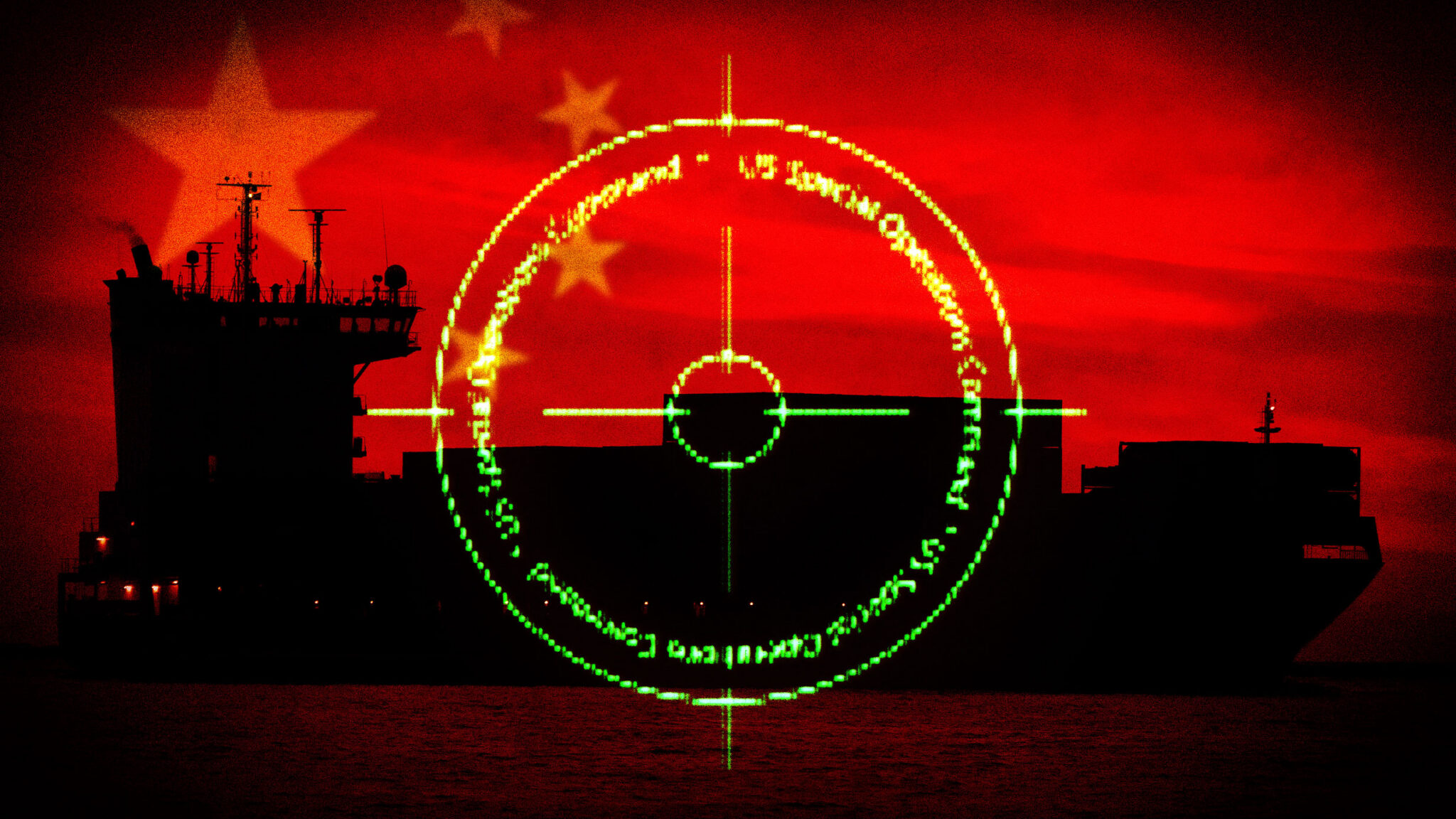
False AI Intelligence Report Nearly Triggered US Military Action Against Chinese Ship
A flawed AI-generated intelligence report misidentified nuclear components on a Chinese vessel, prompting the US military to prepare for a risky interception before the error was caught.
17 sources · over 2 days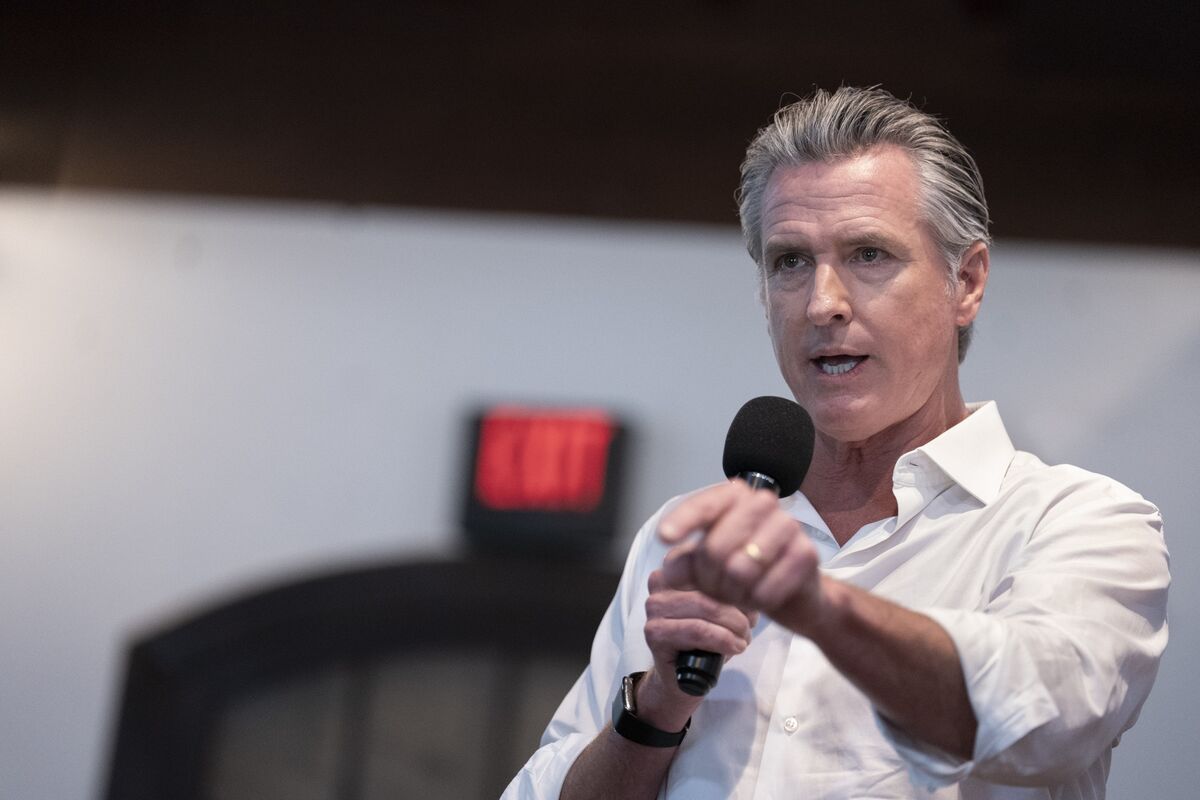
California Governor Orders AI Safety Review and Proposes Industry 'Kill Switch'
Governor Gavin Newsom has ordered a sweeping review of artificial intelligence oversight, including the possible requirement of a 'kill switch,' as California takes a lead in regulating AI technology.
19 sources · over 2 days