Trump Gave $45,000 Cash Holiday Gifts to Natalie Harp and Other Aides
Newly released financial disclosures reveal Donald Trump handed out $45,000 cash gifts to several White House aides, raising questions about propriety and sparking widespread political and media scrutiny.
By Grace Whitfield · First published 9 Sept 2026
In brief
- Financial records show Donald Trump gifted $45,000 in cash to executive assistant Natalie Harp and other aides as holiday bonuses.
- The gifts were distributed in late 2025, near the end of Trump's presidency, according to the disclosures.
- Recipients included Harp and at least two other young, female White House staffers, all of whom described the payments as holiday gifts.
- The practice has drawn public and political attention, with critics questioning the ethics and legality of such large personal gifts.
- The administration maintains these gifts were consistent with Trump's established tradition of giving holiday bonuses to close associates.
Timeline · 4 moments
Financial disclosures reveal Trump's $45,000 cash gifts to aides
NYT Politics ↗Report details Natalie Harp's role as Trump's executive assistant
Financial Times ↗Natalie Harp and other aides named as recipients
Latest news, sport and opinion from the Guardian ↗Administration claims gifts reflect Trump's longstanding holiday bonus practice
Forbes ↗How it started
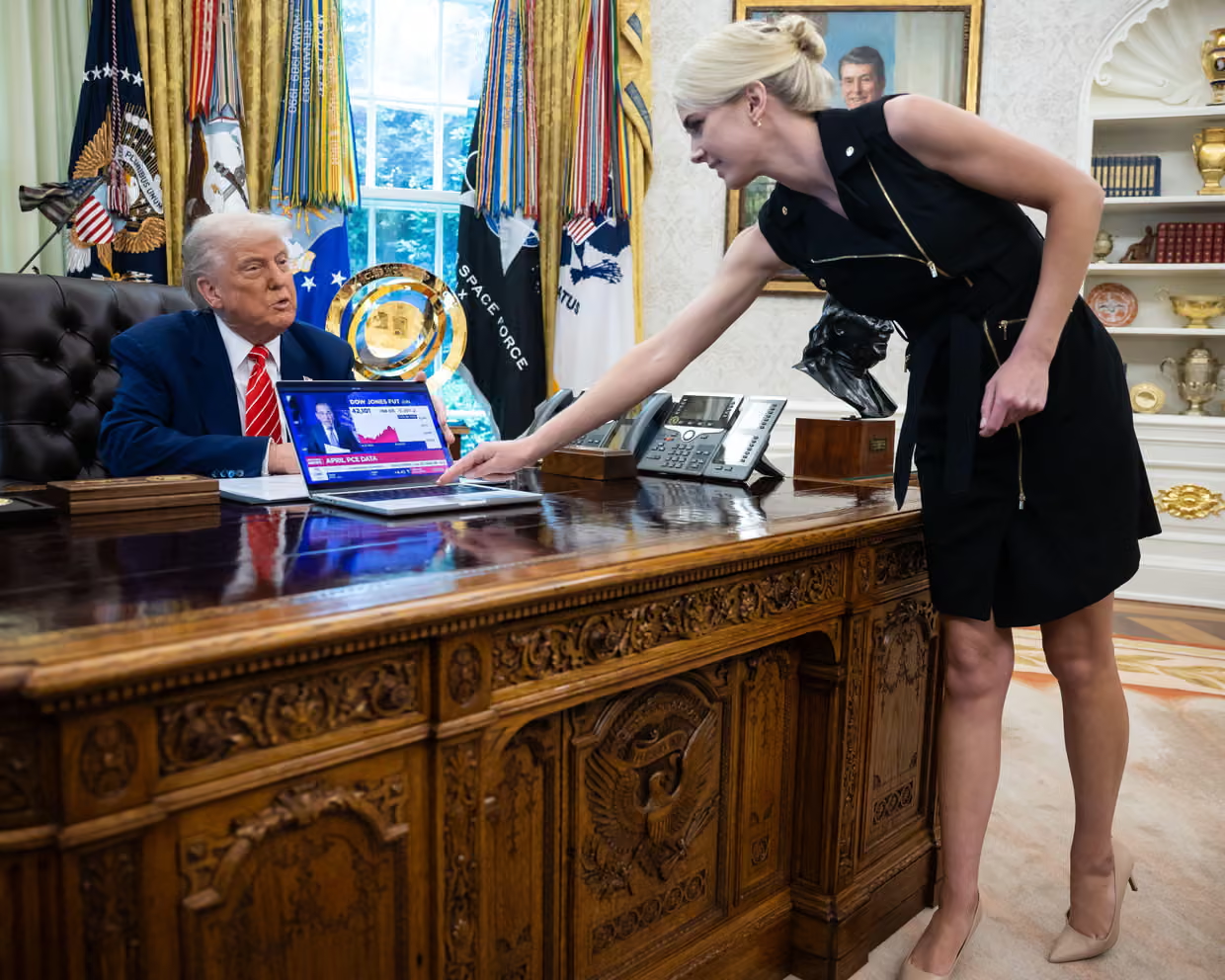
The story began when recently released financial disclosure documents revealed that Donald Trump, during his time as president, gave large cash gifts to certain White House aides. These disclosures, required by law, detailed personal financial transactions made by top officials and the president himself. Among the recipients was Natalie Harp, who served as Trump's executive assistant and has been a prominent figure in his post-presidential circle.
The gifts were described as holiday bonuses and reportedly given out in late 2025. The size of the gifts, $45,000 each, immediately drew attention because such sums are unusual for White House staff. The disclosures raised questions about the nature of these payments and whether they complied with ethical guidelines.
How it unfolded
On September 9, 2026, multiple outlets began reporting on the financial disclosures, which showed Trump had given $45,000 to Harp and at least two other aides. The initial coverage highlighted the surprise and scale of the gifts, as well as the identities of the recipients, who were described as young, female staffers.
Outlets noted that Harp, in particular, had recently come into the spotlight due to her close working relationship with Trump. The cash gifts were labeled as 'holiday gifts' in the official forms, with aides themselves referring to the money as such. This detail appeared in several reports, which also referenced the administration's claim that these bonuses were in line with Trump's longstanding personal practices.
The revelations quickly sparked debate. Critics, including political opponents and some legal experts, questioned whether such large gifts could violate ethics rules or set a problematic precedent. Some Democratic lawmakers called for further scrutiny, arguing the payments might merit an investigation.
Supporters of Trump, as well as his spokesperson, insisted the gifts were above board and reflected the president's appreciation for loyal staff. No immediate evidence emerged of laws being broken, but the unusual nature of the payments kept the story in the headlines.
Where it stands
The details of the gifts are now public and widely discussed. Trump's team continues to defend the payments as a normal part of his management style, pointing to his history of giving generous holiday bonuses. Critics remain unconvinced, with some calling for further inquiry into whether the gifts raise ethical or legal concerns.
As of now, there is no formal investigation underway, but the disclosures have added to the ongoing scrutiny of Trump's financial dealings during and after his presidency.
What to watch
Observers are waiting to see if any official body, such as the Office of Government Ethics or congressional committees, will open an investigation into the gifts. The controversy may also prompt a review of rules regarding personal gifts to federal employees, especially those from top government officials.
More in Politics
All →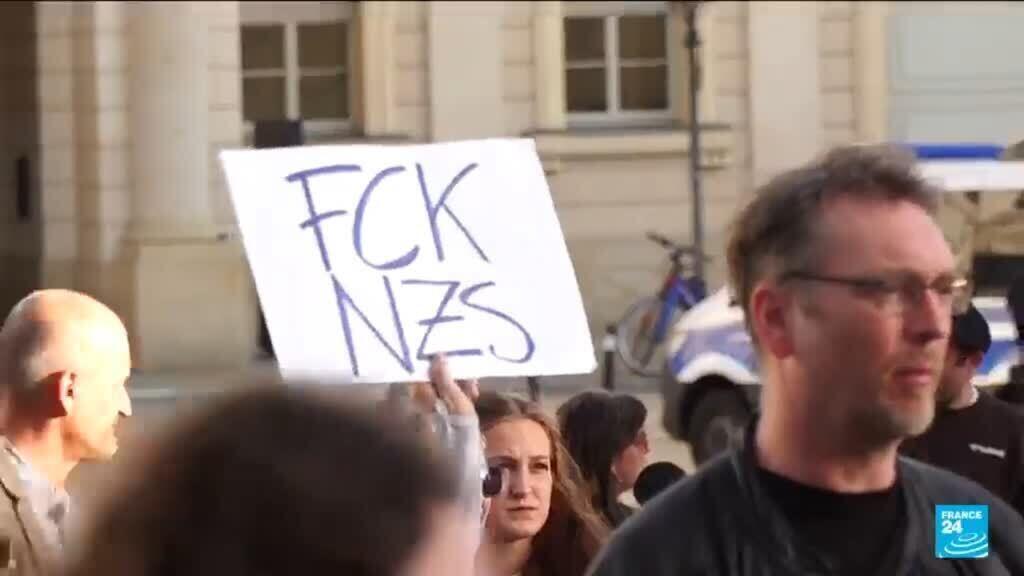
AfD Election Win in Sachsen-Anhalt Sparks Political Upheaval and Protests in Germany
The far-right AfD's victory in Sachsen-Anhalt has triggered coalition maneuvers, party infighting, and nationwide protests, raising concerns about Germany's political direction and alliances.
22 sources · over 3 days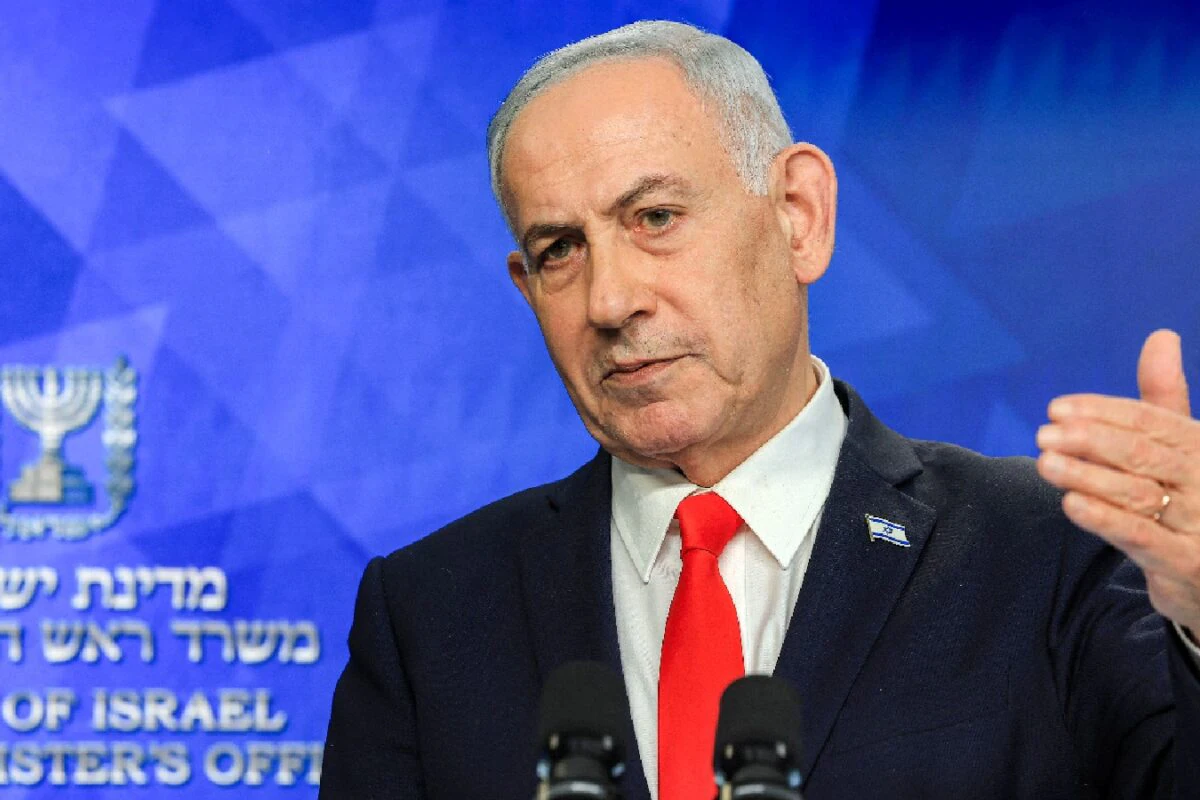
UAE President Warned Netanyahu of Hamas Attack Days Before October 7
A report claims the UAE president alerted Israel's prime minister to Hamas attack plans in late September 2023, but the warning was not acted on.
32 sources · over 2 days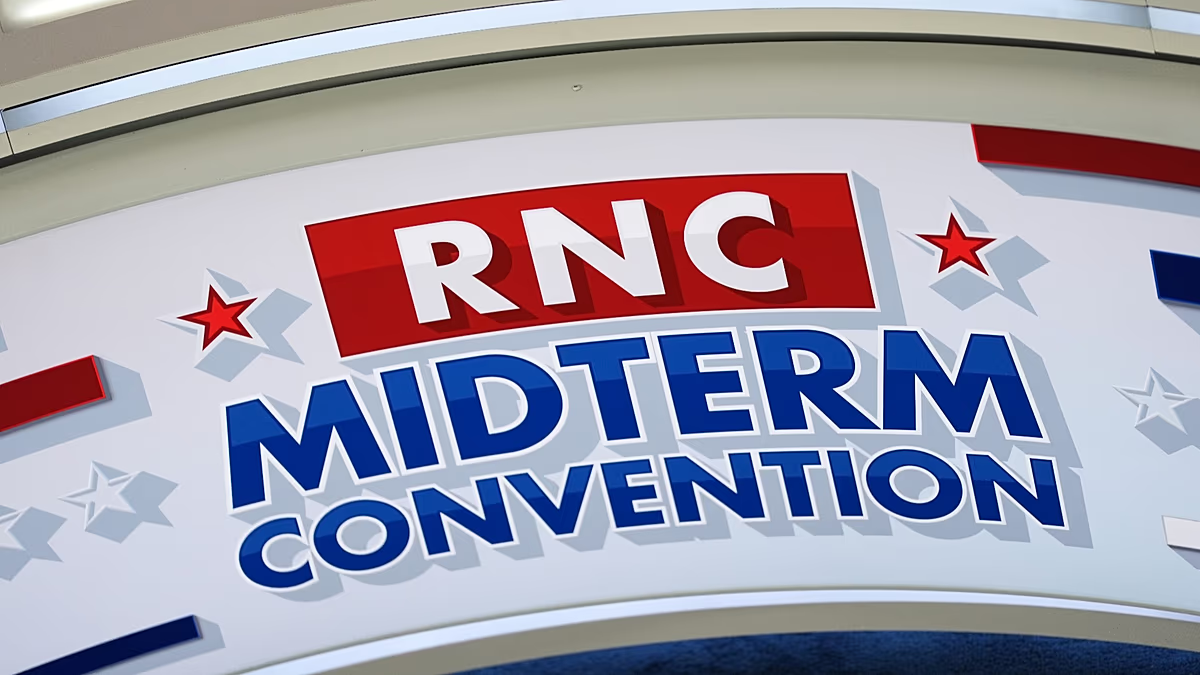
Republican National Committee Launches First Midterm Convention in Dallas With Trump at Center
The GOP is holding its inaugural midterm convention in Dallas, Texas, with Donald Trump leading the event amid deep divisions and concerns about its impact on the upcoming elections.
15 sources · over 4 days