Trump's Reported Offer to Sell US Weapons to China Sparks Confusion
President Trump's alleged proposal to sell US arms to China during talks on Taiwan has drawn denials and raised questions about official policy and diplomatic signals.
By Ravi Menon · First published 28 Sept 2026
In brief
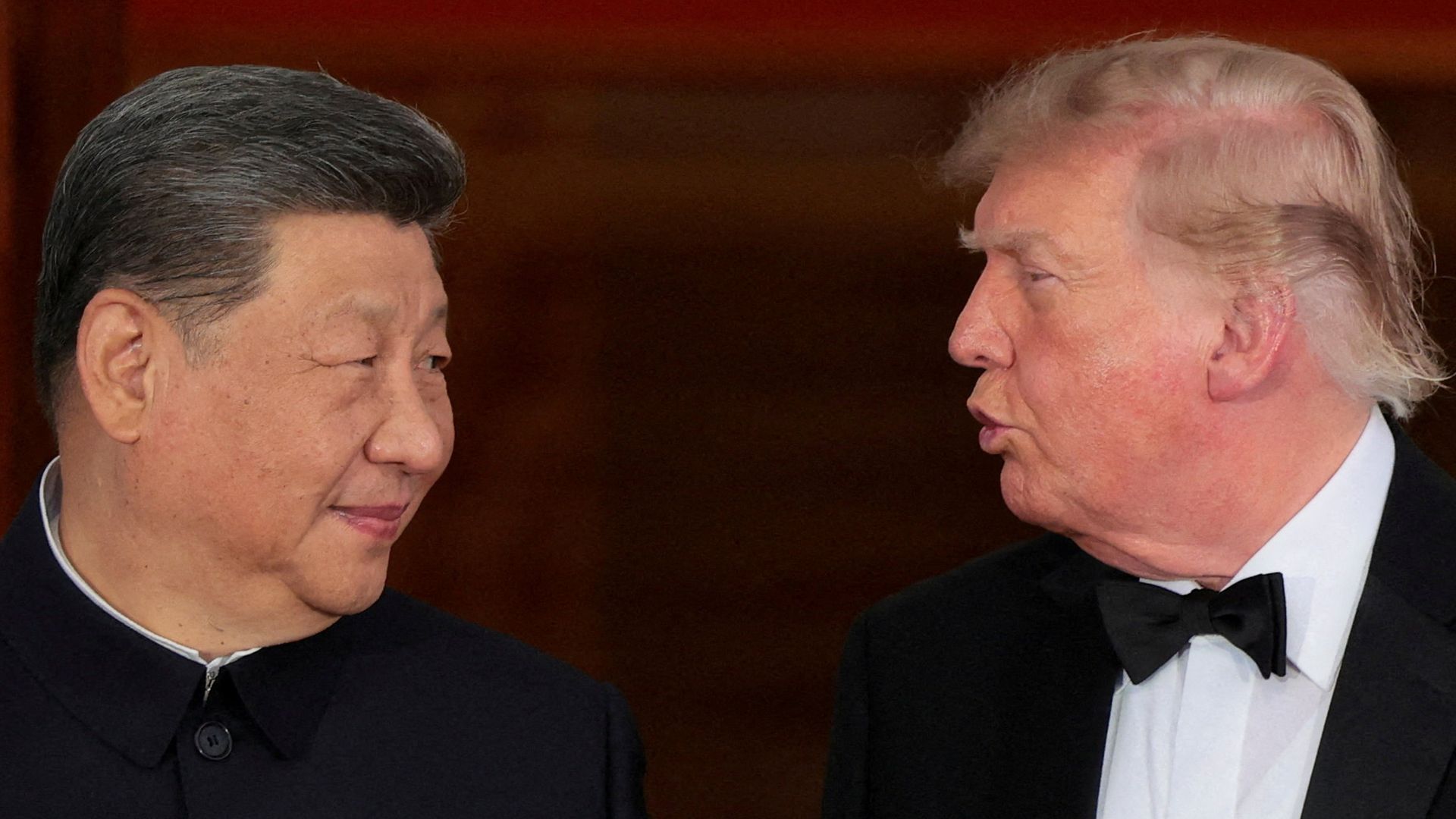
- The US ambassador to China said President Trump offered to sell American weapons to China during a White House meeting with Xi Jinping.
- This reported offer came while the US was discussing a separate arms sale to Taiwan, a sensitive issue for Beijing.
- US officials and President Trump have since denied that any such offer was made or that arms sales to China are planned.
- Legal restrictions in the United States prohibit weapons sales to China, adding to skepticism about the ambassador's claim.
- The episode has prompted clarifications from multiple officials as both countries seek to manage the diplomatic fallout.
Timeline · 4 moments
US ambassador claims Trump offered arms deal to Xi Jinping
Sky News ↗State Department cites legal ban on US arms sales to China
Arab News ↗President Trump denies discussing arms sale with Xi Jinping
NDTV News - World-news News ↗Trump remarks China would 'probably like to buy' US weapons
The Hill ↗How it started
The story began when the US ambassador to China publicly stated that President Trump had offered Chinese President Xi Jinping an opportunity to buy American weapons. This claim was made in the context of ongoing discussions over a US arms sale to Taiwan, a deal that has long angered Beijing, according to DER SPIEGEL.
The ambassador's remarks suggested that Trump made the offer during a visit by Xi Jinping to the White House. The context was reportedly an attempt to explain or justify the US's continued arms sales to Taiwan, which China opposes.
How it unfolded
On September 28, 2026, multiple outlets reported the ambassador's claim. Sky News and The Hindu both described the ambassador's assertion that Trump had directly asked Xi if China wanted to buy US weapons. The claim quickly attracted attention because it would represent a dramatic break from longstanding US policy.
Later that day, the US State Department and other officials pushed back against the ambassador's account. Arab News reported that the State Department refuted the claim, citing laws that ban US arms sales to China. Other outlets, including NDTV, said President Trump himself denied making the offer during a press interaction.
Despite the denials, Trump reportedly told reporters that China would "probably like to buy" American weapons, though he insisted he had not discussed the matter with Xi, as The Hill described. Analysts quoted by Al Jazeera called the idea strategically implausible and suggested it may reflect Trump's personal style rather than official US policy.
The conflicting statements have left the precise details of the conversation unclear. The incident quickly became a point of diplomatic sensitivity, given the strained US-China relationship and the ongoing controversy over arms sales to Taiwan.
Where it stands
As of now, US officials maintain that there are no plans to sell weapons to China. President Trump and the State Department have both denied the ambassador's claim, and existing US law prohibits such sales.
The White House and the State Department are continuing to clarify the context and content of the discussion. The matter has highlighted the potential for confusion when high-level diplomatic conversations are described differently by officials.
What to watch
It remains to be seen whether further details about the Trump-Xi conversation will emerge or if any official records will clarify what was said. The episode could also prompt renewed scrutiny of US arms sales policy and the communication strategies of senior diplomats.
More in World
All →
New York Times Tech Executive Shot Dead by In-Laws in California Parking Lot
A senior New York Times tech executive was killed by his elderly in-laws in a Bay Area parking lot, raising questions about motive and ongoing investigations into his recent legal troubles.
8 sources · today
Jordan Bardella Denies Mediapart's Allegations of Antisemitic Remarks From 2013
French far-right leader Jordan Bardella faces controversy after Mediapart alleged he made antisemitic comments in 2013, which he strongly denies, calling the claims fabricated and announcing legal action.
8 sources · today
Cornell Faces Lawsuit and Reopened Probe Over Alleged Fraternity Gang Rape
A former Cornell student's lawsuit accusing fraternity members of gang rape has led prosecutors to reopen the case, raising questions about the university's response and disciplinary actions.
12 sources · today