Two Frankfurt Airport Workers Die After Malaria Outbreak Linked to Imported Mosquitoes
A rare malaria outbreak at Frankfurt Airport has killed two workers and infected four others, raising questions about biosecurity and prompting urgent health responses at Germany's busiest air hub.
By Jonas Weber · First published 26 Aug 2026
In brief
- Two workers at Frankfurt Airport have died from a rare malaria outbreak linked to imported mosquitoes.
- Four additional workers were infected but have since recovered after receiving hospital treatment.
- Health officials are conducting genetic testing on trapped mosquitoes to determine their origin and survival methods.
- Authorities have increased mosquito control measures and are reviewing aircraft disinfection protocols to prevent future outbreaks.
- Public health messaging now advises airport staff and travelers to be vigilant for malaria symptoms, especially in summer.
Timeline · 7 moments
First death from malaria reported at Frankfurt Airport
ARD Tagesschau ↗Six airport staff infected, rare 'airport malaria' identified
DIE WELT ↗Authorities confirm mosquito-borne outbreak, increase controls
La Repubblica ↗Second death confirmed, total cases remain at six
Deutsche Welle ↗Health officials conduct genetic testing on trapped mosquitoes
NDTV News - World-news News ↗Malaria cases traced to aircraft from endemic region
DW Türkçe ↗Airport strengthens disinfection and mosquito control measures
CBS Top Stories ↗How it started
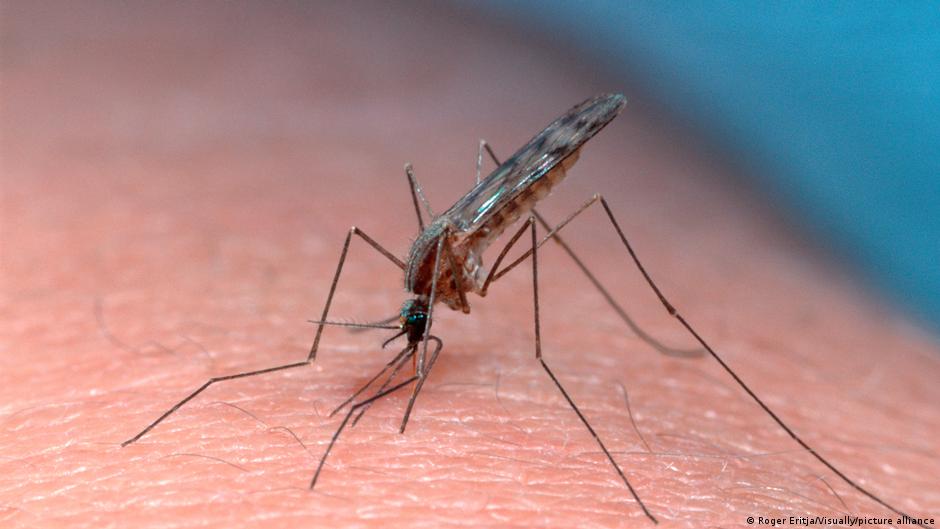
In July 2026, several employees at Frankfurt Airport began experiencing symptoms consistent with malaria. According to Deutsche Welle, the infections were traced back to mosquitoes that likely arrived in the cargo hold of an aircraft from a malaria-endemic region. This form of transmission, known as 'airport malaria,' is extremely rare in Germany.
Health officials initially struggled to identify the cause, as malaria is not endemic to Germany and local mosquitoes do not carry the disease. The first confirmed fatality was a Fraport employee who worked in baggage handling, as reported by ARD Tagesschau. Authorities quickly realized the gravity of the situation due to the unusual mode of infection.
How it unfolded
The outbreak first came to light in late August 2026 when several German and international outlets reported on the death of an airport worker and the hospitalization of others. According to DIE WELT, six workers in total contracted malaria, with the first death occurring in July and the second in August.
Reports from DIE ZEIT and Deutsche Welle confirmed that the malaria cases were caused by 'Malaria tropica,' the most dangerous form of the disease. Health authorities emphasized that the disease cannot be transmitted from person to person, only through mosquito bites.
Airport operator Fraport expressed condolences and began cooperating with local health authorities. Mosquito traps were installed around the airport to track and capture any remaining infected insects. According to NDTV News, genetic testing of trapped mosquitoes is being conducted at the Institute of Tropical Medicine in Antwerp to determine their origin.
As the story developed, German officials and the Robert Koch Institute called the incident extremely rare and urged vigilance among airport staff and medical professionals. The Independent reported that the four surviving infected workers received hospital treatment and have since recovered.
Where it stands
As of late August 2026, two Frankfurt Airport workers have died and four others were infected but survived after hospital care. Health officials continue to investigate the incident and have stepped up mosquito control and disinfection measures at the airport.
Authorities stress that there is no risk of human-to-human transmission. Public health messaging now includes advice for airport staff and travelers to be aware of malaria symptoms, especially during the summer travel season.
What to watch
Genetic analysis of the mosquitoes is ongoing, which could help confirm the origin of the insects and clarify how they survived the journey. Health authorities are also reviewing aircraft disinfection protocols to prevent similar outbreaks in the future.
More in Health
All →
Lionel Richie Hospitalized in ICU After On-Stage Health Scare in St. Louis
Lionel Richie, 77, was rushed to intensive care after falling ill during a St. Louis concert, raising concerns among fans and prompting questions about his ongoing health as he recovers.
18 sources · over 3 days
Ebola Outbreak in DR Congo Surpasses 3,000 Deaths and 6,000 Cases
The Democratic Republic of Congo is battling its deadliest Ebola epidemic on record, with cases and deaths rising quickly as violence and weak health systems hamper efforts to contain the virus.
54 sources · over 6 days
Scott McTominay to Miss a Month After Heart Surgery for Benign Arrhythmia
Napoli midfielder Scott McTominay will be sidelined until October following surgery for a mild benign arrhythmia, ruling him out of both club matches and Scotland's international fixtures this month.
9 sources · over 2 days