UK Green Party Formally Declares Zionism a Form of Racism at Conference
The Green Party has become the first major British party to officially label Zionism as racism, sparking significant debate and backlash from Jewish groups and international observers.
By Hushread Stories, written with AI from 9 outlets · First published 4 Oct 2026
In brief
- The Green Party held a heated conference in Brighton where members debated a motion on Zionism and racism.
- Prominent party figures, including former leaders, spoke out against the motion, highlighting internal divisions.
- The motion passed by 1,022 votes to 813, officially adopting anti-Zionism as party policy.
- The new policy also supports the establishment of a single democratic Palestinian state with equal rights.
- Jewish organizations and the Israeli government have condemned the move, warning it could alienate Jewish supporters.
Timeline · 7 moments
Green Party prepares to debate Zionism motion at conference
The Independent ↗Motion to label Zionism as racism draws attention
Middle East Eye ↗Pro-Israel advocates protest outside Green Party conference
Middle East Eye ↗Party leaders and members engage in heated debate
Guardian Politics ↗Green Party votes to recognize Zionism as racism
Middle East Eye ↗Policy passes with 1,022 to 813 vote margin
Guardian Politics ↗Jewish groups and Israeli government condemn Green Party motion
Financial Times ↗How it started
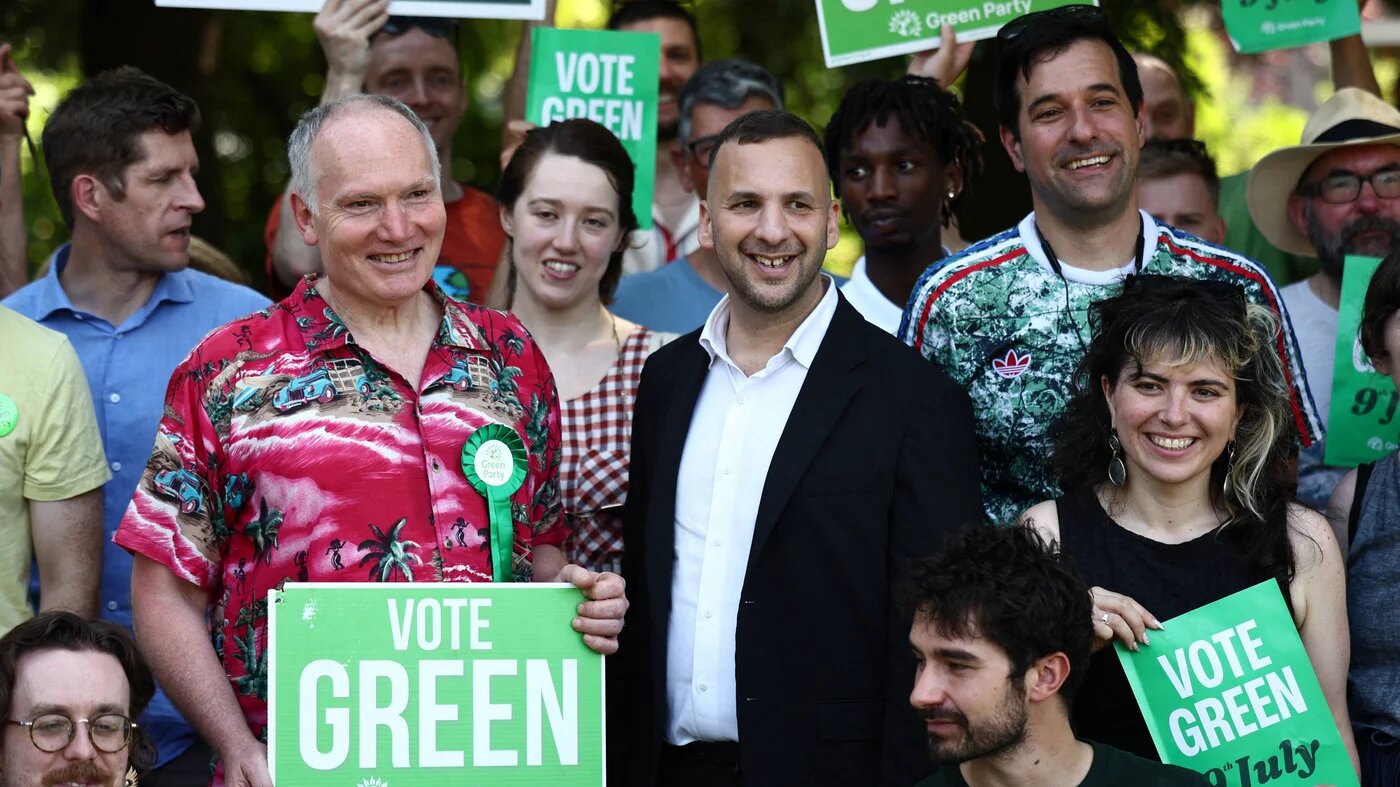
The controversy began ahead of the Green Party's annual conference in Brighton, where a motion was set to be debated on whether to classify Zionism as a form of racism. This marked a significant moment for the party, as it would be the first time a major British political group considered such a stance.
The proposal immediately drew criticism from within the party, including from former leader Caroline Lucas. Critics argued the motion risked alienating Jewish members and supporters, while supporters claimed it was a necessary step in showing solidarity with Palestinians.
Tensions rose even before the vote, with external advocacy groups and media closely watching how the debate would unfold.
How it unfolded
On October 2, the opening day of the conference, the motion to classify Zionism as racism dominated discussion and drew national attention. According to The Independent, the issue overshadowed other party business and set the stage for intense debate.
By October 3, protests intensified outside the conference venue. Middle East Eye reported that pro-Israel advocates confronted Green Party members, voicing strong opposition to the proposed motion.
Inside the conference, debates were heated. Senior party figures, including both deputy leaders, took opposing sides. Guardian Politics noted that the divisions were clear, with vocal arguments from both supporters and opponents of the motion.
On October 4, party members voted on the motion. The result was 1,022 in favor and 813 against, meaning the party officially adopted the position that Zionism is a form of racism. The same vote also saw members backing the establishment of a single democratic Palestinian state with equal rights for all its citizens, as reported by Middle East Eye.
The decision was quickly met with strong criticism from Jewish groups and the Israeli government. Financial Times and other outlets highlighted concerns that the new policy discriminates against Jewish supporters and could have broader political repercussions.
Where it stands
The Green Party now officially defines Zionism as racism in its policy platform. This makes it the first major political party in Britain, and reportedly in Europe, to adopt such a stance.
The move has caused deep divisions within the party and provoked backlash from Jewish communities and international observers. Party leaders are now facing pressure to clarify how this new policy will shape their approach to issues relating to Israel, Palestine, and Jewish representation in the UK.
What to watch
It remains to be seen how the Green Party will implement this policy in practice and whether it will affect their alliances or electoral prospects. Ongoing reactions from Jewish groups and potential internal resignations could further impact the party's unity and public image.
More in World
All →
Brazil's 2026 Presidential Election Draws Scrutiny Over Trump's Alleged Influence
With Brazil's presidential race too close to call, claims of U.S. interference and Trump's ties to the right-wing challenger have made this vote a regional flashpoint.
25 sources · over 5 days
US Marine Accused of Murder in Okinawa as Japan Protests
Japanese authorities named Anna Yagi as the victim and say the accused Marine, Devin Jacob Ballard, denies the charges.
16 sources · today
Jordan Bardella Denies Mediapart's Allegations of Antisemitic Remarks From 2013
French far-right leader Jordan Bardella faces controversy after Mediapart alleged he made antisemitic comments in 2013, which he strongly denies, calling the claims fabricated and announcing legal action.
20 sources · over 6 days