UK Prime Minister Andy Burnham Fooled by Trump Aide Impersonator in Messaging Hoax
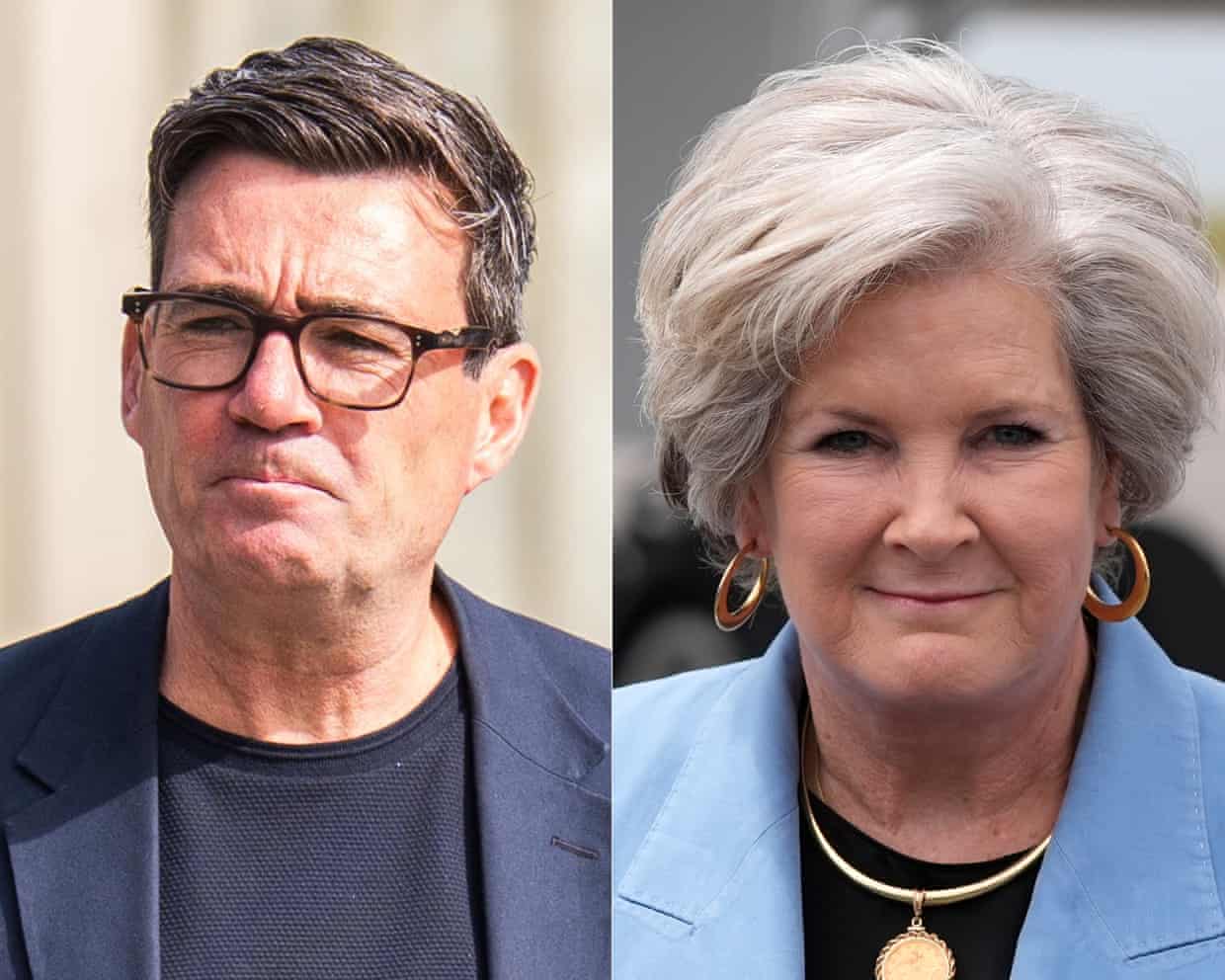
British Prime Minister Andy Burnham unknowingly exchanged messages with someone posing as a top aide to Donald Trump, raising fresh concerns about security and the reliability of international political communication.
By Tomas Ferreira · First published 17 Aug 2026
In brief
- UK Prime Minister Andy Burnham was tricked into messaging someone impersonating a senior aide to Donald Trump in August 2026.
- The incident raised serious concerns about the security of communications between world leaders and the reliability of digital messaging.
- Investigations are ongoing by UK and US authorities, including the FBI, into how the impersonator contacted Burnham.
- Downing Street claims no significant information was shared, and the White House confirmed that Susie Wiles' phone was not hacked.
- Future announcements may address potential changes to security protocols in response to this incident and similar impersonation attempts.
Timeline · 4 moments
Burnham exchanged messages with Trump aide impersonator
Telegraaf ↗UK PM Burnham duped by Trump adviser scam
NewsIt.gr ↗Downing Street downplays significance of scam messages
Proto Thema ↗Incident raises concerns over security of political communications
Financial Times World ↗How it started
In mid-August 2026, reports surfaced that UK Prime Minister Andy Burnham had been tricked into exchanging messages with someone pretending to be Susie Wiles, a senior aide to former US President Donald Trump. The incident was first reported by several European outlets and quickly picked up by international media.
The messages were supposed to be confidential, which immediately raised alarms about the security of communications between world leaders. According to Politico and others cited in the Greek and Dutch press, the impersonator was convincing enough that Burnham engaged in conversation, believing he was speaking with a trusted White House official.
How it unfolded
On August 17, 2026, the story broke widely, with Telegraaf and other outlets reporting that Burnham had exchanged messages with someone posing as Susie Wiles. The British press and international sources confirmed the Prime Minister had been in contact with the impersonator, and the matter quickly drew public attention due to its diplomatic sensitivity.
Downing Street initially tried to play down the incident, describing the messages as insignificant, according to Proto Thema and ANSA. However, the fact that a world leader could be reached by a scammer highlighted vulnerabilities in official communication channels.
The Financial Times and Forbes both emphasized concerns about authenticity and security, noting that the FBI was investigating not only this case but other impersonation attempts involving Susie Wiles. Meanwhile, the Independent reported that the White House denied any current hacking of Wiles' phone, distancing the episode from a previous security breach involving her device.
By the end of the day, the BBC and CBS News confirmed the incident, with the Guardian and New York Times both noting that no important messages were exchanged. The Telegraph used the episode to highlight the risks of digital communication among world leaders, suggesting that in-person contact remains the most reliable way to avoid such confusion.
Where it stands
The hoax has embarrassed Downing Street but officials insist that nothing of consequence was shared with the impersonator. The White House has stated that Susie Wiles' phone was not hacked again, and there is no evidence linking this incident to earlier breaches.
Investigations are ongoing into how the impersonator was able to reach the Prime Minister and whether other similar attempts have targeted senior officials. The episode has reignited debate over the security of digital communications at the highest levels of government.
What to watch
Authorities in both the UK and the US are investigating how the scammer managed to contact Prime Minister Burnham and whether this signals broader risks to official channels. The FBI is reportedly looking into other impersonation attempts involving Susie Wiles. Future announcements may reveal whether security protocols will be changed or if any further incidents have occurred.
More in Politics
All →
One Dead, Six Injured Including Police in Minneapolis Downtown Shooting
A shooting at a downtown Minneapolis apartment building left one person dead and six injured, including two police officers, prompting an ongoing investigation and heightened security in the area.
8 sources · today
Jury in Lindsay Clancy Triple-Murder Trial Deadlocked Over Mental Health Defense
After days of deliberations, jurors remain unable to reach a verdict on whether Lindsay Clancy is criminally responsible for killing her three children, highlighting deep divisions over mental illness and justice.
39 sources · over 19 days
Trump Says He's 'Happy' About Harry and Meghan Leaving the US
Former President Donald Trump publicly welcomed Prince Harry and Meghan Markle's departure from the United States, reigniting debate over the couple's relationship with the UK and the US.
10 sources · today