
US Expands Iran Sanctions, Pressures G20 as China Pushes Back
The US is pushing for tougher global economic isolation of Iran at the G20, escalating tensions with both China and Europe as new sanctions target Chinese-linked entities and spark sharp warnings from Beijing.
By Hushread Stories, from 55 outlets · First published 23 Aug 2026
In brief
- The US expanded sanctions against Iran, targeting 60 entities, including those linked to China, in late August 2026.
- At the G20 meeting in Asheville, North Carolina, the US pushed for global support against Iran and economic imbalances.
- China condemned the US sanctions and vowed to protect its economic interests, standing alone in dissent at the G20.
- The Trump administration is threatening secondary sanctions on Iran's business partners, raising stakes for countries maintaining ties with Tehran.
- Future G20 summits will be crucial in determining if the divide between the US and China on sanctions can be bridged.
Timeline · 7 moments
G20 ends with split on China, unity on Iran pressure
Japan Times ↗US threatens secondary sanctions on Iran's business partners
CNBC ↗China rejects G20 consensus on 'cheap exports' and trade rules
The Independent ↗G20 finance ministers debate tariffs, Iran, and China trade
The Hill ↗Treasury Secretary Bessent seeks global backing against Iran
New York Post ↗US pushes allies at G20 to join Iran sanctions effort
in.gr ↗US imposes new Iran sanctions, targets China-linked entities
Euronews ↗How it started
In late August 2026, the United States announced a major expansion of economic sanctions against Iran. The new measures targeted 60 entities, including several with ties to China. The move was part of a broader strategy by the Trump administration to increase pressure on Iran, especially as the conflict in the region continued to disrupt global oil markets.
China reacted quickly and strongly. Officials in Beijing condemned the US sanctions and warned that they would defend China's economic interests. They also pledged to maintain their trade relationship with Iran, signaling that Washington's efforts to isolate Tehran could face serious resistance.
How it unfolded
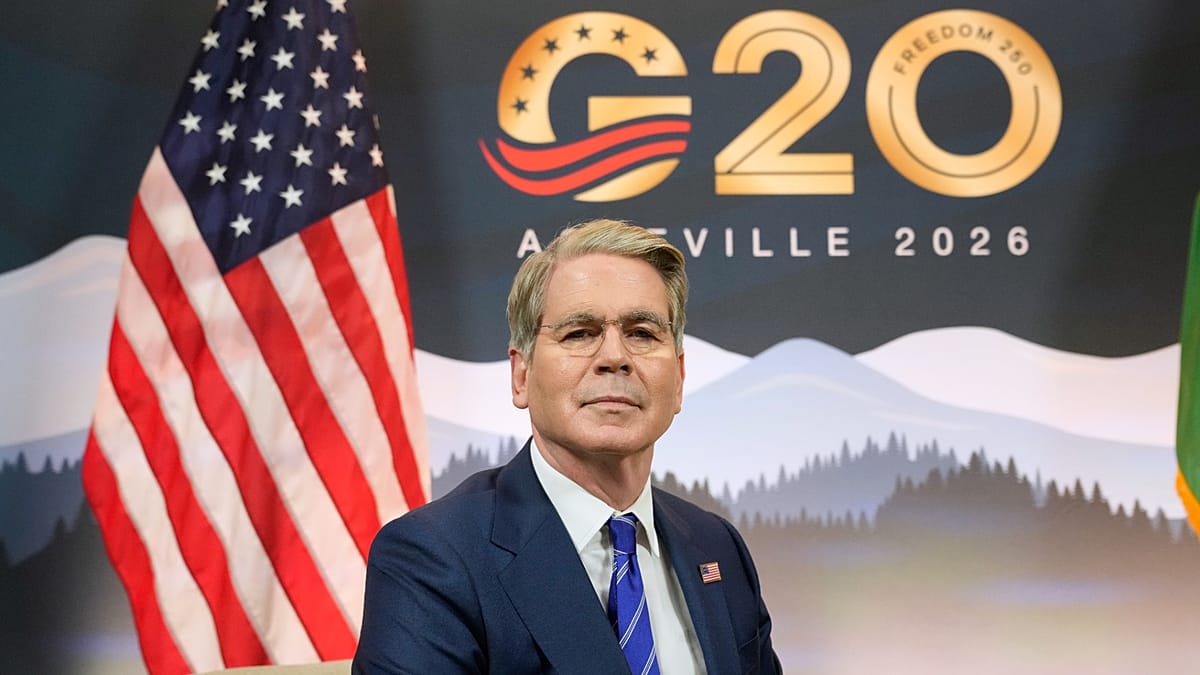
On August 31, 2026, finance ministers and central bank leaders from the G20 gathered in Asheville, North Carolina. The US, as host, put Iran sanctions and global trade imbalances high on the agenda. According to Euronews, the meetings were set against a backdrop of rising energy prices and mounting debt concerns.
Reports from Greek outlet in.gr and NewsIt.gr described how the US was not only imposing new tariffs on some allies but also pressing them to join the economic campaign against Iran. Treasury Secretary Scott Bessent arrived at the G20 aiming to rally support for these efforts, as covered by the New York Post and Fast Company.
Tensions with China were front and center. According to The Hill, Bessent urged G20 members to reconsider their ties with China, citing its trade surplus and export-driven strategy. Al Jazeera reported that the US also encouraged G20 countries to adopt similar tariffs and restrictions on Chinese goods.
The meetings were marked by further controversy. The US Treasury barred several major news organizations from covering the G20, as reported by Times of India and Deutsche Welle - Persian. European officials were also upset by the presence of Russia's finance minister, but the US focus remained on sanctions and trade.
By September 1, most G20 members backed a final statement supporting action against "cheap exports" and economic distortions, but China stood alone in dissent, according to The Independent and Japan Times. Treasury Secretary Bessent publicly called out China for refusing to agree that "cheap exports" were unsustainable.
Where it stands
The US has succeeded in getting most G20 members to agree on the need for tougher measures against Iran and to address global trade imbalances. However, China remains defiant, rejecting both the sanctions push and calls to curb its export strategies.
According to CNBC and Fast Company, the Trump administration is now threatening secondary sanctions on Iran's business partners, raising the stakes for countries that continue economic ties with Tehran. The split between the US and China on these issues remains wide, and the G20 meetings ended without full consensus.
What to watch
The next steps will likely involve the US pressuring allies to enforce secondary sanctions against Iran, and possibly expanding tariffs on Chinese goods. China's response, and whether it deepens its ties with Iran, will be critical for global markets.
Upcoming G20 and world leader summits may reveal whether this divide grows, or if any compromises are possible on sanctions and trade.
More in Politics
All →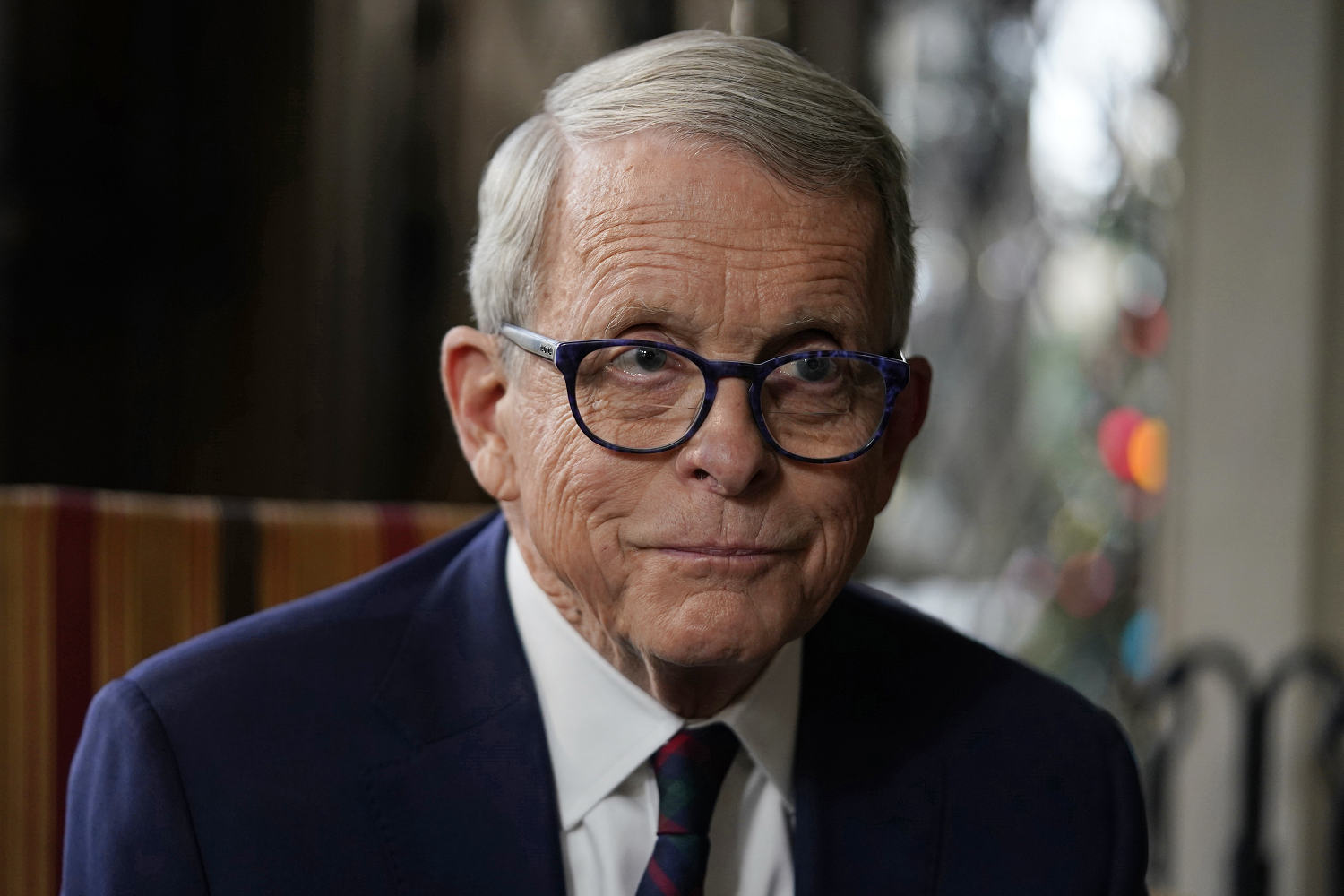
Trump Backs Ramaswamy Ad as Ohio Governor Calls for Its Removal
An attack ad featuring Amy Acton's estranged mother has split Republicans, with President Donald Trump defending it as Ohio Gov. Mike DeWine urges its removal before November's election.
36 sources · over 5 days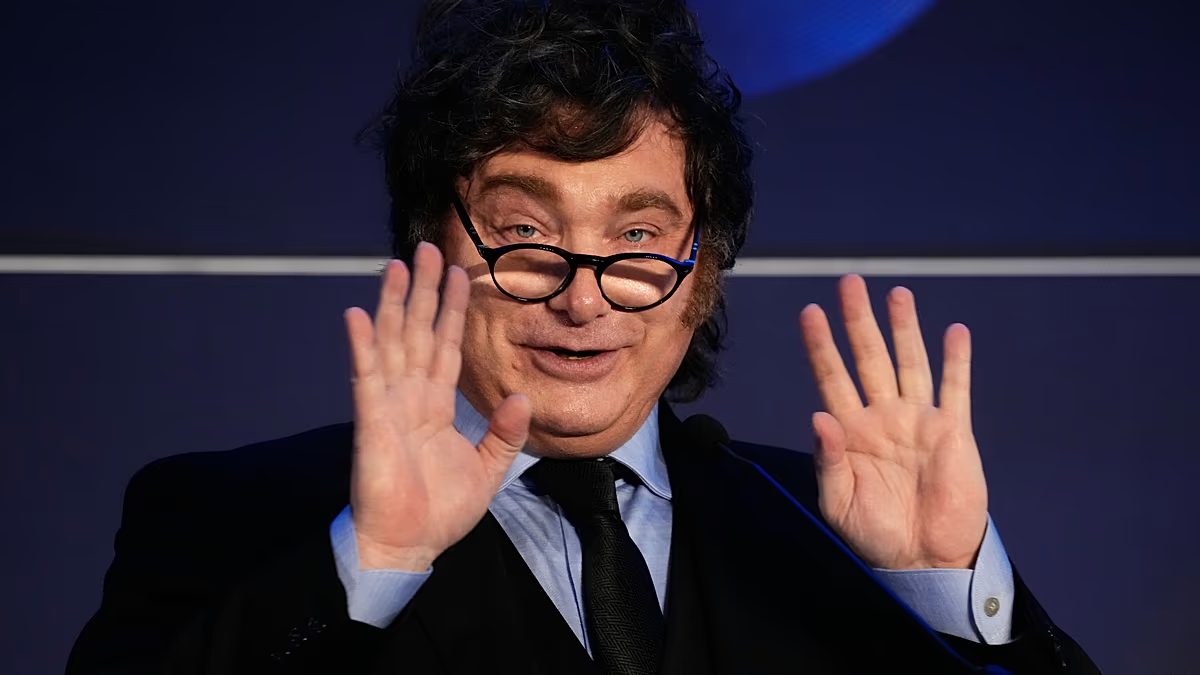
Milei's Madrid Visit Sparks Sánchez Clash as Argentine Opposition Seeks Unity
Javier Milei's attacks on Pedro Sánchez turned his Madrid visit into a political confrontation, while Argentina's opposition moved toward a common congressional strategy ahead of the 2027 elections.
13 sources · over 6 days
Lula and Flávio Bolsonaro Take Brazil's Election Fight From Debate to Court
Days before Brazil's October 25 runoff, the rivals are seeking each other's disqualification after a bitter televised debate, while polls show a closely contested race.
37 sources · over 8 days