US-Iran Tensions Surge With Missile Strikes and Hormuz Standoff
A series of missile attacks, economic threats, and high-profile rhetoric have sharply escalated the US-Iran conflict, disrupting oil shipping and raising stakes ahead of the US midterm elections.
By Nadia Hussain · First published 4 Sept 2026 · Chapter 2 of 2
Earlier: Trump Suggests Renaming Strait of Hormuz After Himself Amid Iran Conflict
In brief
- Iran launched missile strikes on US bases and Gulf allies after US attacks targeted Iranian military sites.
- President Trump proposed renaming the Strait of Hormuz to 'Trump Strait,' asserting US control over the vital oil route.
- Oil prices surged above $96 per barrel as shipping through the Strait of Hormuz faced disruption and military escorts.
- Vice President JD Vance downplayed the conflict, refusing to call it a war and providing no end timeline.
- No diplomatic talks are underway, and both sides continue to threaten further action as midterm elections approach.
Timeline · 9 moments
Iran disables two oil tankers with sea mines in Hormuz
Tehran Times ↗Trump proposes renaming Strait of Hormuz to 'Trump Strait'
Forbes ↗Iran launches missile strikes on US bases and Gulf allies
NBC News ↗US responds with heavy airstrikes on Iranian military sites
Top World News- News18.com ↗US military escorts 40 oil ships through contested waters
Indian Express ↗Vice President Vance downplays conflict, says 'not a war'
TIME.com ↗Oil prices surge above $96 per barrel amid conflict
CNBC ↗No major US operations planned, all options remain open
Al Jazeera ↗No end in sight as both sides hold firm ahead of midterms
Al Jazeera ↗How it started
Tensions between the United States and Iran have simmered for years, but the latest escalation began in late August 2026. The Strait of Hormuz, a narrow but critical waterway for global oil shipments, has long been a flashpoint. Both nations claim influence over this passage, which is vital for the global energy market.
Strains intensified as President Trump publicly criticized Iran's leadership and economy, calling Iran a 'failing nation.' The rhetoric grew bolder when Trump floated the idea of renaming the Strait of Hormuz after himself, signaling a shift from diplomatic pressure to open assertion of US dominance in the region.
How it unfolded
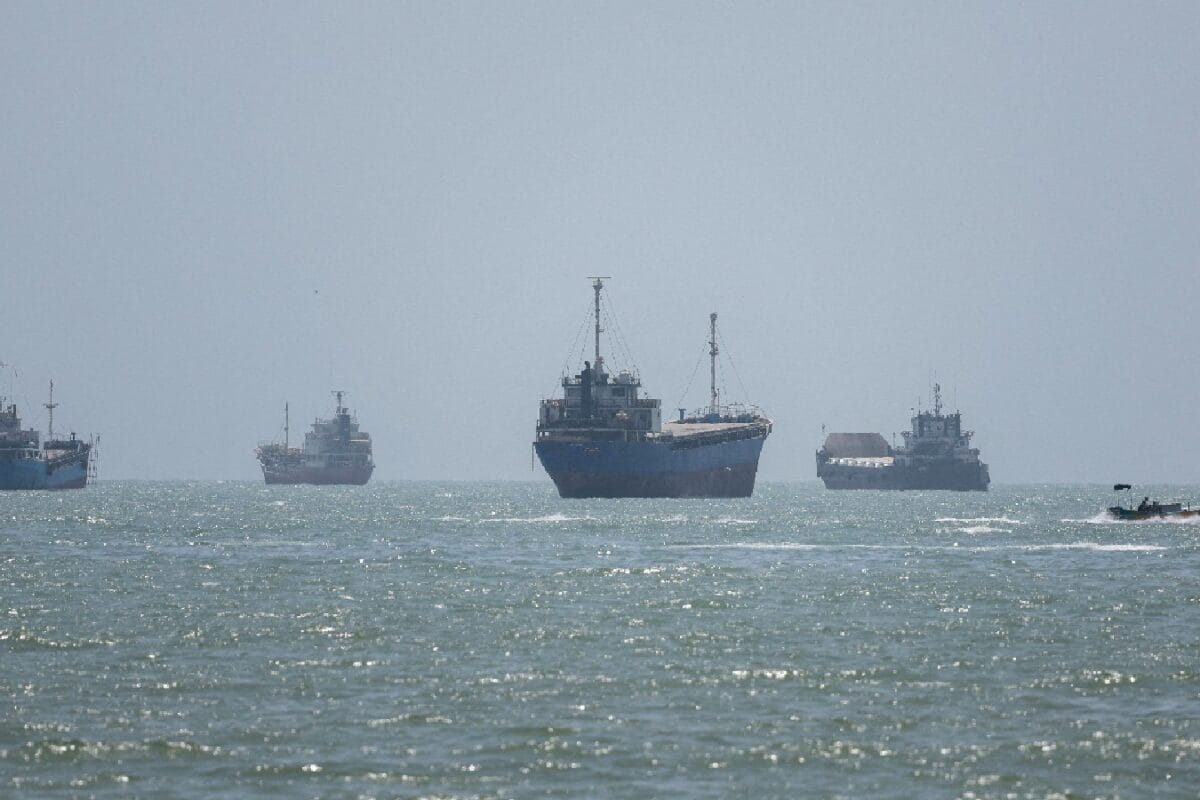
On September 2, 2026, Iranian forces reportedly disabled two oil tankers with sea mines in the Strait of Hormuz, further raising tensions. Shortly after, Iran launched heavy missile strikes against US bases and allies in the Gulf, including targets in Kuwait, Jordan, the UAE, Bahrain, and Israel. The US responded with powerful airstrikes on Iranian radar, missile systems, and maritime infrastructure.
President Trump claimed the US had 'almost total control' of Hormuz and challenged Iranians to 'rise up and fight.' At the same time, he suggested renaming the Strait, an idea that made headlines but was later downplayed as not entirely serious. Despite this, the White House visibly supported the proposal online, using it to emphasize US resolve.
The exchange of strikes led to a sharp increase in oil prices and forced the US military to escort dozens of oil tankers through the Strait. Reports indicated as many as 40 vessels carrying 18 million barrels of oil were escorted, and over 80 ships were diverted due to the renewed blockade and risk of attack. Iran continued to target commercial shipping, and US officials made clear that no talks would happen while these attacks persisted.
By September 3, Vice President JD Vance publicly minimized the conflict, refusing to call it a war even as hostilities flared. He stated there was 'no active shooting,' and would not commit to any timeline for ending the fighting, especially with the US midterms looming. The administration signaled all options remained on the table, including economic and covert actions.
Where it stands
As of early September, the US and Iran remain locked in a cycle of military strikes and threats, with no diplomatic solution in sight. Oil prices are volatile, and global markets are watching the Strait of Hormuz closely for signs of further disruption.
The White House is balancing its military response with political considerations ahead of the midterm elections, while Iran faces growing pressure from US-led sanctions and military actions. Both sides are showing no signs of backing down, and the situation remains tense and unpredictable.
What to watch
The risk of further escalation remains high, especially if attacks on shipping or military targets continue. The US midterm elections add urgency, as political leaders weigh the potential impact of the conflict on voters and energy prices. Whether either side will seek talks or continue on a confrontational path is still unclear.
More in Politics
All →
Explosive Devices and Sabotage Attacks Hit German Power Grid in Brandenburg and NRW
German authorities are investigating a series of sabotage attempts targeting power substations in Brandenburg and North Rhine-Westphalia, raising concerns over critical infrastructure security and potential extremist or foreign involvement.
16 sources · over 4 days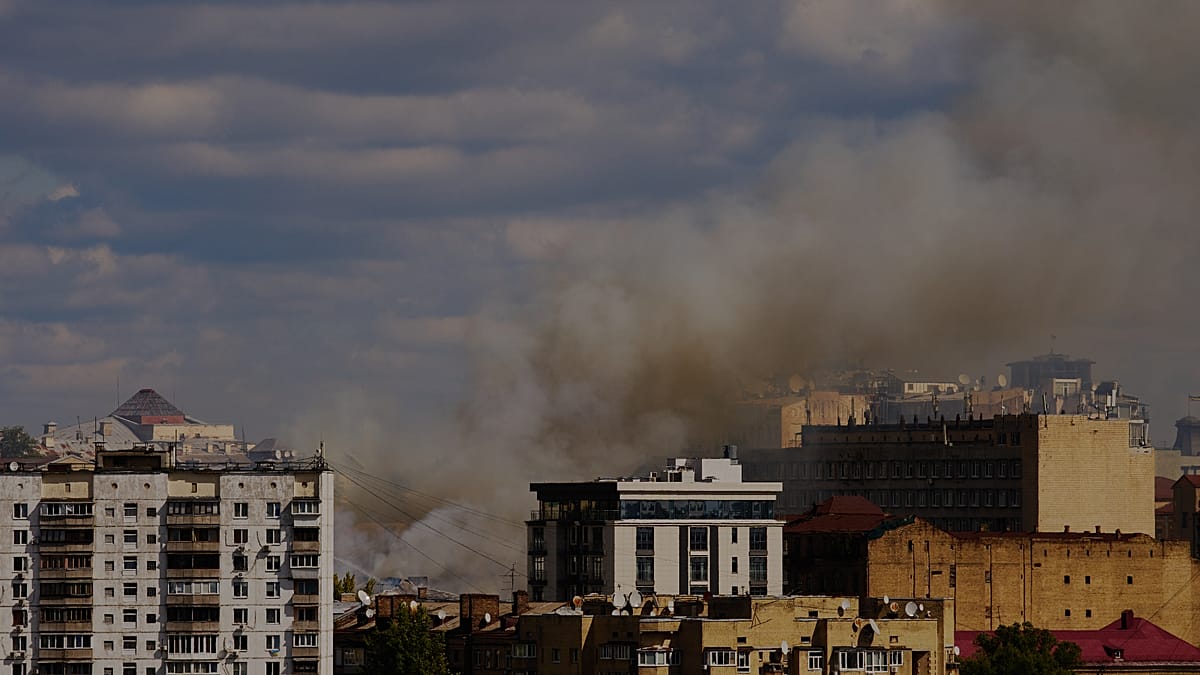
Russian Drone Strikes Target Ukraine Security Service Headquarters in Kyiv
Russia has stepped up attacks on Kyiv with near-continuous airstrikes, including a direct drone hit on Ukraine's security service headquarters, escalating risks for civilians and critical infrastructure.
19 sources · over 4 days
Trump Threatens Trade Cutoff if Federal Reserve Does Not Slash Interest Rates
Donald Trump has pressured the Federal Reserve to lower interest rates, threatening to halt trade with countries running trade deficits with the US if his demands are not met.
18 sources · today