
Explosive Devices and Sabotage Attacks Hit German Power Grid in Brandenburg and NRW
German authorities are investigating a series of sabotage attempts targeting power substations in Brandenburg and North Rhine-Westphalia, raising concerns over critical infrastructure security and potential extremist or foreign involvement.
By Hushread Stories, from 16 outlets · First published 1 Sept 2026
In brief
- Police are searching for a suspect believed responsible for the sabotage attacks on power substations in Brandenburg and North Rhine-Westphalia.
- The suspect, described as a lone actor, allegedly left letters claiming responsibility and is linked to climate extremism motives.
- A suspicious device was found at a substation in Dormagen, prompting a major police operation and further raising security concerns.
- No major power outages have occurred, but authorities have increased security measures at critical infrastructure sites across Germany.
- Investigations are ongoing, with federal and state officials urging improvements to backup systems and emergency preparedness for the power grid.
Timeline · 10 moments
Federal minister links attacks to climate extremism, calls for vigilance
Deutschlandfunk - Fortlaufende Nachrichten vom 24. August 2026 ↗Police identify and search for sabotage suspect in NRW
ARD Tagesschau ↗Suspicious device found at Dormagen substation prompts police response
DIE ZEIT | Nachrichten, News, Hintergründe und Debatten ↗Authorities see link between Brandenburg and NRW sabotage
DIE WELT ↗Germany investigates disruption at substation near Cologne
Euronews ↗Police probe suspected power station attacks in Germany
Deutsche Welle ↗Sabotage attack damages high-voltage lines in Brandenburg
Time.news ↗Unexploded devices discovered at Brandenburg substation
nu.nl ↗Improvised rockets target Brandenburg power installation
Euronews ↗Explosive devices found near Jänschwalde power plant
Deutsche Welle ↗Update 4 Sept 2026, 9:20 pm UTC
Police are now searching for a named suspect linked to the sabotage attacks, described as acting alone and motivated by 'climate extremism.' Authorities have found a suspicious device at another substation in Dormagen, and security operations have intensified as the suspect remains at large.
How it started
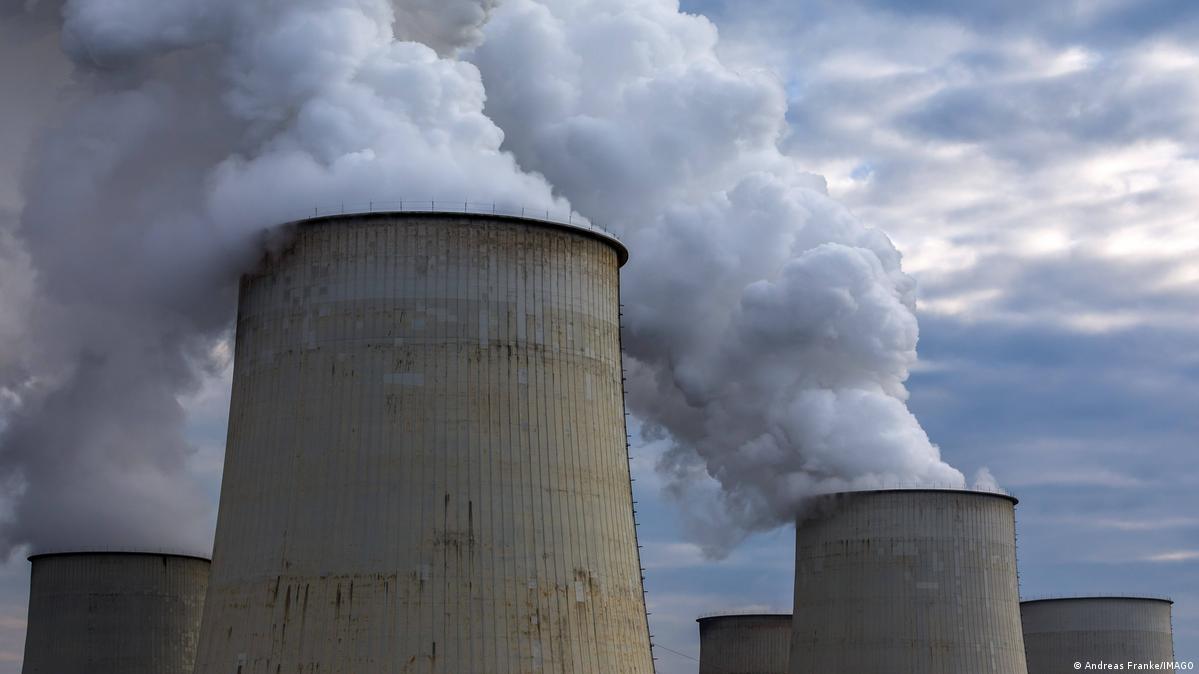
On September 1, 2026, police discovered explosive and incendiary devices near the Jänschwalde power plant in Brandenburg. According to Deutsche Welle, these were unconventional devices found close to a major coal-fired facility. The area has strategic importance for Germany's power supply.
Initial reports from several outlets, including Euronews and the South China Morning Post, indicated that the devices were placed at an electrical substation. Early findings suggested that the attackers aimed to disrupt the power grid, but police managed to defuse some of the devices before they could cause further harm.
How it unfolded
On the morning of September 1, Brandenburg police responded to damage at a power line near the Jänschwalde plant. According to nu.nl and Deutschlandfunk, unexploded devices were recovered, and there was minor damage to the infrastructure. ARD Tagesschau reported that homemade rockets or projectiles caused short circuits on high-voltage lines, but no widespread blackout occurred.
The Brandenburg state government quickly labeled the incident a deliberate sabotage attempt. DIE WELT and DIE ZEIT both reported comments from local officials, who said the attackers aimed to trigger a large-scale power outage. The construction of the devices was described as sophisticated but not requiring specialist knowledge, according to DER SPIEGEL.
On September 2, the focus widened as police announced investigations into a second incident at a power substation near Cologne, in North Rhine-Westphalia (NRW). Deutsche Welle and Euronews noted similarities between the two attacks. NRW's interior minister said authorities were considering both extremist and foreign-backed motives. The Independent and AFP confirmed that no major outages occurred, but the sabotage attempts caused alarm at the national level.
By early September, officials in both Brandenburg and NRW were openly discussing possible links between the incidents. DIE WELT and DER SPIEGEL reported that authorities saw a probable connection, with concerns about coordinated attacks on Germany's power infrastructure.
Where it stands
Repairs at the affected power stations are ongoing. According to Deutschlandfunk, damaged blocks at the Bergheim plant near Cologne are gradually being brought back online. Security has been tightened around critical infrastructure, and federal investigators are treating the incidents as acts of sabotage, with potential links to left-wing extremism or foreign interference still under review.
There have been no reports of major power outages, but officials remain on high alert. The attacks have exposed vulnerabilities in Germany's energy supply system, prompting calls for improved protection of key facilities.
What to watch
Authorities are continuing their investigation into the identity and motives of the perpetrators. The possibility of further attacks remains a concern, and the outcome of the probes into extremist or foreign involvement could influence Germany's security posture. Officials are also reviewing and potentially upgrading security measures for power infrastructure nationwide.
More in Politics
All →
DOJ investigates Corey Lewandowski's role in Homeland Security contracting
The inquiry follows a Homeland Security watchdog referral concerning alleged contracting misconduct, bringing scrutiny to Lewandowski's work under Kristi Noem as he denies wrongdoing.
8 sources · today
Ramaswamy's Campaign Makes Amy Acton Ad and Plans $4 Million Buy
Vivek Ramaswamy confirmed his campaign produced the attack ad featuring Amy Acton's estranged mother and plans to spend $4 million airing it.
33 sources · over 5 days
Lula and Flávio Bolsonaro Take Brazil's Election Fight From Debate to Court
Days before Brazil's October 25 runoff, the rivals are seeking each other's disqualification after a bitter televised debate, while polls show a closely contested race.
36 sources · over 8 days