US Sanctions International Criminal Court President Tomoko Akane, Sparking Global Backlash
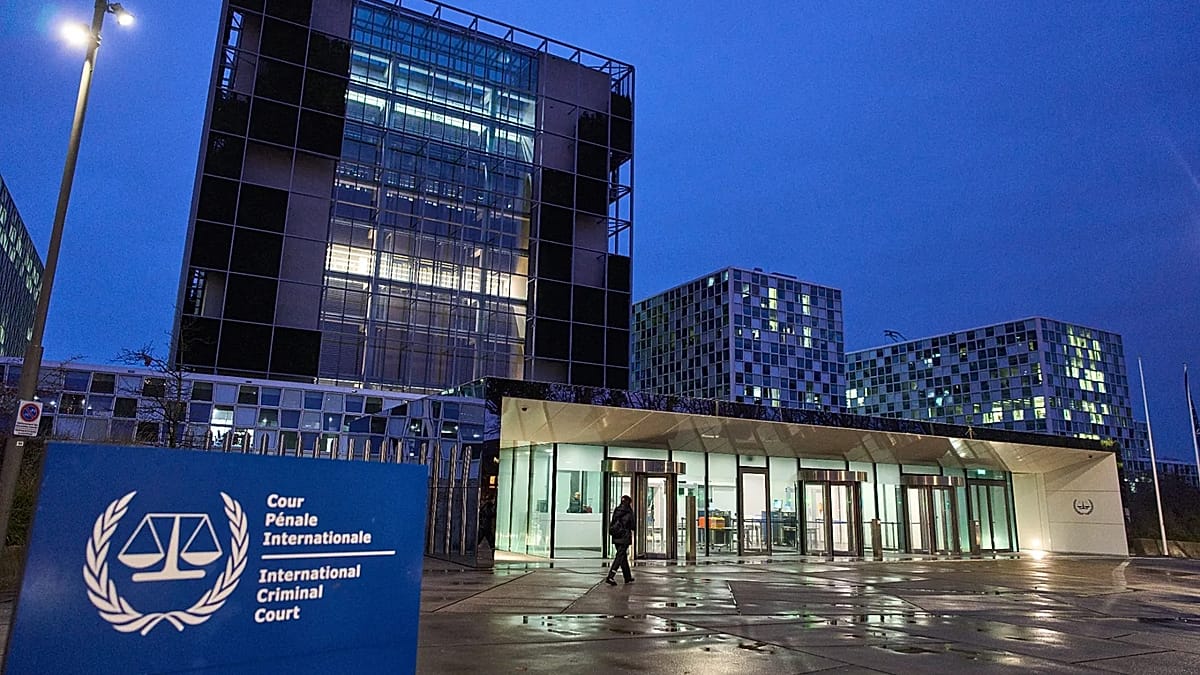
The United States has imposed sanctions on the ICC's president and senior officials, prompting rare criticism from allies like Japan and raising questions about the future of international justice.
By Oliver Hartmann · First published 18 Aug 2026
In brief
- On August 18, 2026, the U.S. imposed sanctions on ICC President Tomoko Akane and senior officials, citing political bias.
- Japan criticized the sanctions, calling them 'unfortunate' and warning they could undermine the ICC's functionality.
- The ICC condemned the sanctions as a serious attack on its independence and a threat to the rule of law.
- As of late August 2026, the sanctions remain in place, with the ICC seeking support from member states.
- Attention is now on how Japan and other countries will respond to the U.S. sanctions and the future of international justice.
Timeline · 6 moments
Japan criticizes US over 'unfortunate' ICC sanctions
World News CNA ↗ICC president warns of erosion of international law
Euronews ↗Japan vows to protect ICC from US push to dismantle court
Bloomberg ↗ICC chief urges Japan to help de-escalate tensions with US
The Independent ↗UN experts condemn US sanctions on ICC officials
Anadolu Ajansı ↗Sanctions raise questions about ICC's future and effectiveness
Japan Times ↗How it started
Tensions between the United States and the International Criminal Court (ICC) have been simmering for years, especially over the court's investigations into actions by countries that do not recognize its jurisdiction. The Trump administration has repeatedly criticized the ICC, calling it politicized and overreaching.
The latest conflict erupted when the ICC pursued investigations involving U.S. allies and adversaries, including probes into alleged war crimes in Gaza and Ukraine. In August 2026, the U.S. government announced sanctions targeting the court's president, Tomoko Akane, who is from Japan, and other senior officials.
How it unfolded
On August 18, 2026, the U.S. imposed sanctions on Tomoko Akane and a senior trial lawyer at the ICC. According to Reuters and several other outlets, these measures included asset freezes and restrictions on financial transactions. The U.S. justified the move by accusing the ICC of political bias and overstepping its authority, particularly regarding investigations linked to Israel and Russia.
The ICC and its supporters immediately condemned the sanctions. The court called them a threat to the rule of law and a serious attack on its independence. European Union leaders and the United Nations expressed strong support for the ICC, emphasizing its role in delivering justice for serious crimes.
Japan, a close U.S. ally and major contributor to the ICC, took the unusual step of criticizing the sanctions. Japanese officials described the move as "unfortunate" and warned that it could undermine the court's ability to function. Prime Minister Sanae Takaichi later reaffirmed Japan's commitment to supporting the ICC despite the diplomatic tension with Washington.
In the days that followed, ICC President Akane warned that the sanctions could erode international law and called on Japan to help counter U.S. pressure. She argued that such actions threaten not only the court's staff but also the broader international justice system.
Where it stands
As of late August 2026, the sanctions remain in place. The ICC continues to criticize the U.S. actions, while Japan has pledged to support the court and is considering how best to respond. The diplomatic rift between Washington and Tokyo over this issue is notable, given their traditionally close alliance.
Other international bodies and governments have also condemned the U.S. move, framing it as a challenge to judicial independence and the international legal order. The situation has left the ICC's leadership seeking more support from member states to withstand external pressure.
What to watch
Attention now shifts to how Japan and other ICC member states will respond to the U.S. sanctions going forward. There is also the question of whether the U.S. will escalate its campaign against the court or if diplomatic efforts can ease the standoff. The ICC's ability to continue its work without interference remains uncertain.
More in Politics
All →
One Dead, Six Injured Including Police in Minneapolis Downtown Shooting
A shooting at a downtown Minneapolis apartment building left one person dead and six injured, including two police officers, prompting an ongoing investigation and heightened security in the area.
8 sources · today
Jury in Lindsay Clancy Triple-Murder Trial Deadlocked Over Mental Health Defense
After days of deliberations, jurors remain unable to reach a verdict on whether Lindsay Clancy is criminally responsible for killing her three children, highlighting deep divisions over mental illness and justice.
39 sources · over 19 days
Trump Says He's 'Happy' About Harry and Meghan Leaving the US
Former President Donald Trump publicly welcomed Prince Harry and Meghan Markle's departure from the United States, reigniting debate over the couple's relationship with the UK and the US.
10 sources · today