Berlin and Mecklenburg-Vorpommern Elections Marked by Violence and Tight Races
Voters in Berlin and Mecklenburg-Vorpommern are heading to the polls amid a surge in far-right support, violent campaign incidents, and intense competition between major parties.
By Elena Petrova · First published 20 Sept 2026
In brief
- Hundreds of politically motivated crimes, mostly targeting AfD candidates, were reported during the Berlin election campaign.
- Recent attacks have targeted both AfD and CDU campaigners at information stands in several Berlin districts.
- Polls show a tight race in Berlin between the Left and CDU, with AfD and Greens also in contention.
- In Mecklenburg-Vorpommern, the SPD is narrowly leading the AfD, making the outcome highly uncertain.
- The results could have significant national implications for party leaders and future coalition possibilities.
Timeline · 7 moments
Violent attacks on AfD and CDU campaigners in Berlin
DIE ZEIT | Nachrichten, News, Hintergründe und Debatten ↗Police investigate multiple assaults at Berlin election stands
DIE WELT ↗Hundreds of politically motivated crimes reported in Berlin campaign
Deutschlandfunk - Fortlaufende Nachrichten vom 24. August 2026 ↗AfD positions itself for major gains after recent successes
Deutsche Welle ↗SPD narrowly leads AfD in Mecklenburg-Vorpommern polls
DIE WELT ↗Four parties nearly tied in Berlin poll ahead of election
Euronews ↗Voters head to the polls in Berlin and Mecklenburg-Vorpommern
Al Jazeera ↗How it started
Campaign season in Berlin and Mecklenburg-Vorpommern began in a tense atmosphere, with far-right parties, especially the AfD, gaining momentum after a strong showing in Saxony-Anhalt. The AfD's recent electoral success raised concerns among established parties and activists about the direction of German politics.
As the campaigns intensified, reports emerged of violence and intimidation, particularly targeting AfD candidates and their supporters in Berlin. Political divisions deepened, with party leaders making urgent appeals to their bases and warning of the stakes in the upcoming votes.
How it unfolded
On September 16, several incidents occurred at Berlin campaign stands, where AfD and CDU supporters were verbally and physically attacked. The police and state security began investigations into these assaults.
By mid-September, it became clear that the violence was not isolated. According to broadcaster research, there had been hundreds of criminal acts against parties during the Berlin campaign, with the majority directed at the AfD.
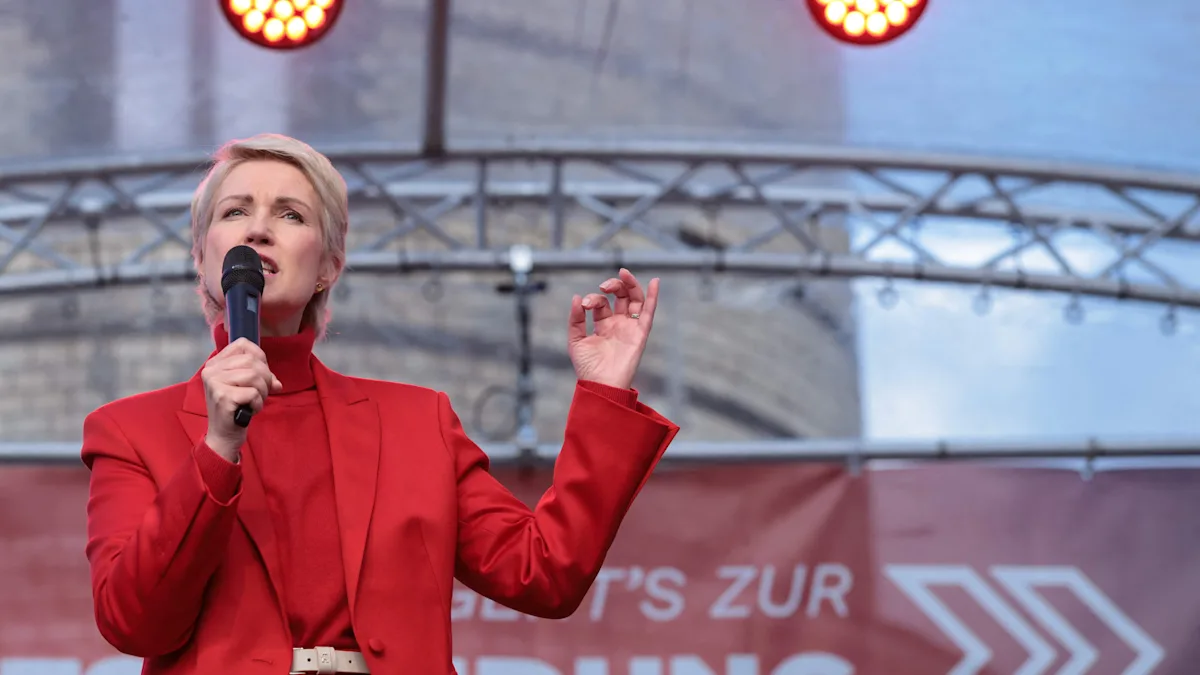
Polls released on September 19 indicated a highly competitive race. In Berlin, the Left and CDU were nearly tied, while in Mecklenburg-Vorpommern, the SPD and AfD were separated by just one percentage point. Party leaders, especially SPD's Manuela Schwesig, mobilized heavily in the final campaign days, presenting the contest as a direct showdown with the AfD.
On September 20, voters in both Berlin and Mecklenburg-Vorpommern prepared to cast their ballots. The election was seen as a crucial test for national party leaders, with the CDU especially under pressure following recent defeats.
Where it stands
Voting is underway in Berlin and Mecklenburg-Vorpommern, with expectations of very close results in both states. Security has been heightened following the spate of campaign-related incidents.
The outcomes remain uncertain, but whichever parties emerge on top, the results are likely to influence national party strategies and leadership debates in the coming months.
What to watch
Attention now turns to the vote counts and how parties will respond to the results, particularly in terms of coalition building. The performance of the AfD and the reactions from established parties could reshape political alliances both regionally and nationally.
More in Politics
All →
Trump and Xi to Tackle AI Risks and Rivalry at Washington Summit
US President Donald Trump and Chinese President Xi Jinping are set to meet in Washington, where artificial intelligence concerns and competition will feature prominently alongside a high-profile state dinner with top tech leaders.
46 sources · over 5 days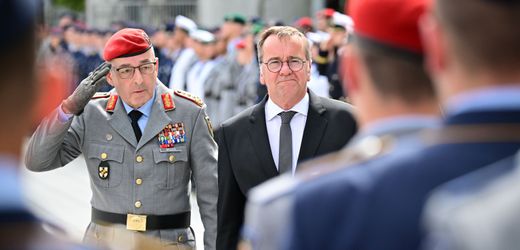
General Carsten Breuer Named Chair of NATO Military Committee in Key Leadership Shift
General Carsten Breuer, Germany's top military officer, has been appointed as the next chair of NATO's Military Committee, marking a significant change in the alliance's military leadership.
8 sources · today
False AI Intelligence Report Nearly Triggered US Military Action Against Chinese Ship
A flawed AI-generated intelligence report misidentified nuclear components on a Chinese vessel, prompting the US military to prepare for a risky interception before the error was caught.
17 sources · over 2 days