Boeing Flags Software Glitch Impacting 737 MAX Approach and Landing Systems
Boeing has discovered a software flaw in its 737 MAX jets that can disrupt automated navigation after a missed landing, prompting FAA investigation and raising fresh safety concerns.
By Fatima Al-Rashid · First published 27 Sept 2026
In brief
- Boeing identified a software problem in the 737 MAX series that affects automated navigation during landing approaches.
- The glitch can occur when pilots change their flight path after aborting a landing attempt, potentially disabling autopilot functions.
- Boeing disclosed the issue following a recent cockpit software update and notified both airlines and regulators.
- The FAA has launched an investigation into the glitch as Boeing works urgently to develop and certify a fix.
- This new issue adds pressure on Boeing as it seeks approval for updated models and faces renewed regulatory scrutiny.
Timeline · 6 moments
Boeing discloses 737 MAX software glitch affecting navigation
Breaking News on Seeking Alpha Business & Economy ↗Problem linked to autopilot after missed landing revealed
New York Post ↗Boeing notifies airlines and regulators of the issue
CNBC ↗FAA launches investigation into 737 MAX software problem
CBS Top Stories ↗Potential delays for new 737 MAX models reported
Business Line - Home ↗Regulators convene review board to assess the situation
Swarajya ↗How it started
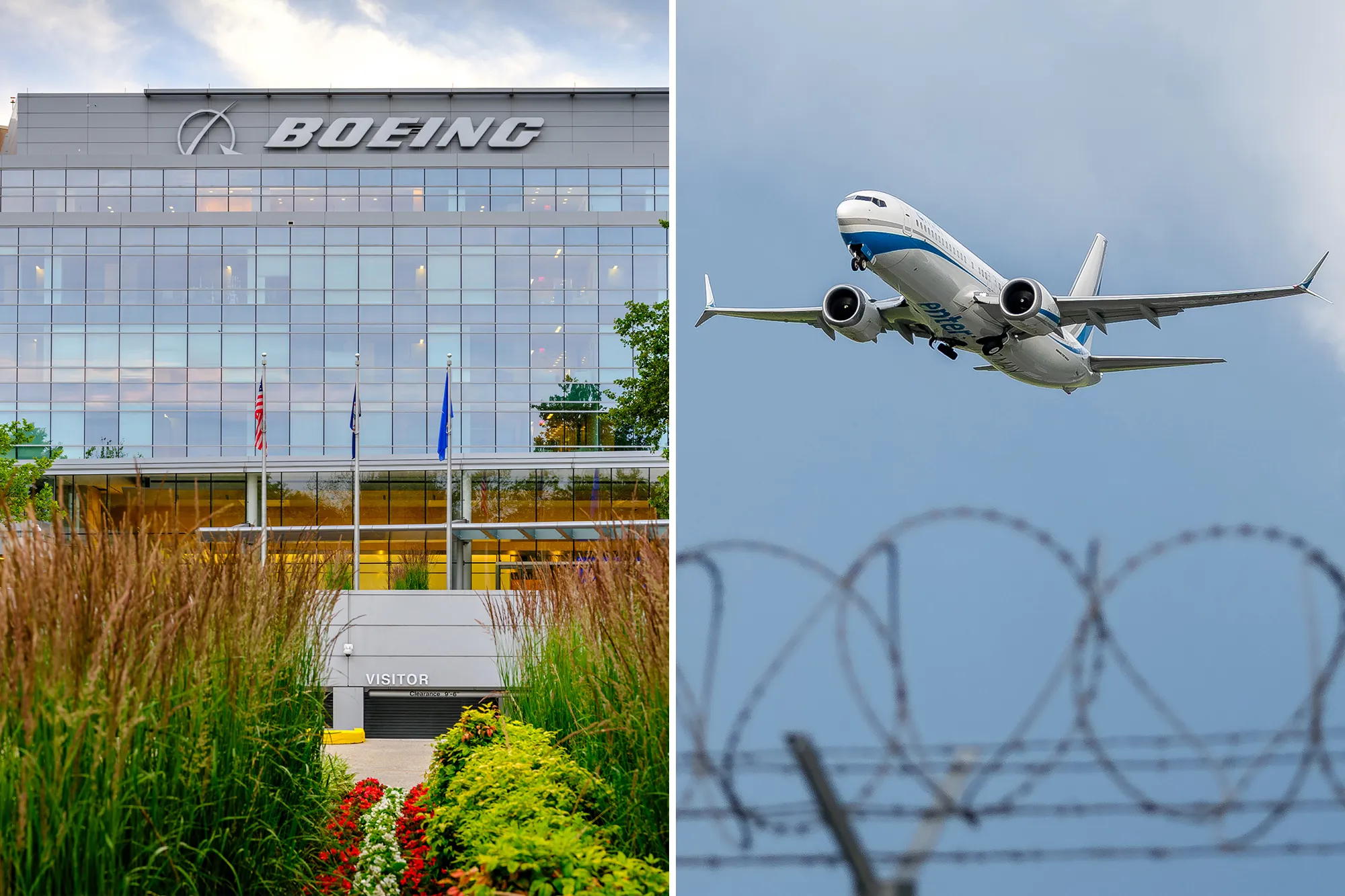
Concerns began when Boeing detected a software glitch in some of its 737 MAX aircraft, specifically involving navigation and landing systems. The issue was traced to a recent cockpit software update. Boeing found that the problem could arise after a missed approach, when pilots change their planned flight path. This discovery comes as Boeing continues to face close regulatory attention after previous safety incidents with the 737 MAX.
How it unfolded
On September 26, 2026, Boeing publicly acknowledged the new software glitch affecting the 737 MAX, stating that it could impact navigation features during landing. Reports clarified that the problem surfaces when a pilot aborts a landing and changes the approach, which can cause automated flight guidance to disengage.
The company informed airlines and regulators, and the news quickly drew attention from aviation authorities. The FAA began investigating the glitch to determine its risk and potential impact on flight safety. Boeing also revealed that the issue could increase the workload for pilots during critical landing phases.
As coverage expanded, it became clear that this software problem could have implications for Boeing's efforts to certify new narrowbody aircraft models. The timing is significant, as Boeing is under pressure to resolve safety issues and restore confidence in the 737 MAX series. Airlines operating the affected jets are now monitoring the situation closely while awaiting further guidance from Boeing and federal regulators.
Where it stands
Boeing is actively working to address the software glitch, but a permanent fix has not yet been implemented. The FAA's investigation is ongoing, and there is no evidence so far that the glitch has caused any accidents. Airlines have been notified, and Boeing continues to coordinate with regulators to develop a certified software update. The situation remains under close watch by both industry and government as Boeing seeks to resolve the issue and move forward with its new jet models.
What to watch
The next steps include the FAA's review of Boeing's proposed software fix and decisions about possible operational restrictions on the 737 MAX. The outcome could affect airline schedules and Boeing's timeline for introducing new aircraft models. Observers are watching closely to see how quickly and effectively Boeing can restore full confidence in the 737 MAX's automated systems.
More in Technology
All →
Google to Launch AI Data Center Satellite on October 1, 2026
Google's Project Suncatcher will send custom AI chips into orbit on a SpaceX rocket to test data center hardware in space.
26 sources · over 3 days
Bill Gates Issues Stark Warning Over Catastrophic Risks of Artificial Intelligence
Bill Gates has warned that artificial intelligence could be powerful enough to cause a billion deaths, urging governments worldwide to impose strict safeguards as AI development accelerates.
16 sources · over 3 days
TikTok Settles First US Trial Over Teen Mental Health Claims in Alabama
TikTok has agreed to pay at least $100 million and introduce new safety measures after Alabama accused the platform of harming teen mental health, marking a major legal precedent.
20 sources · over 2 days