Canada Prepared for Extreme Scenario of US Military Action, Carney Confirms
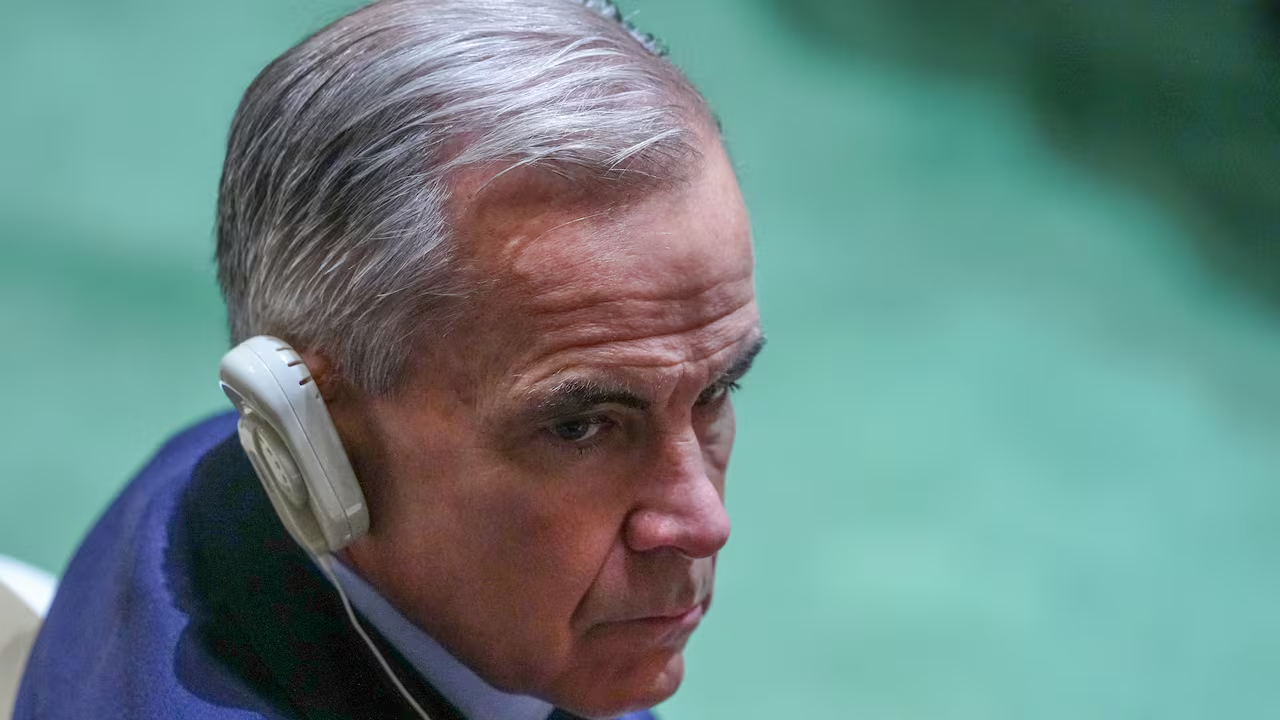
Canadian Prime Minister Mark Carney revealed his government studied the unlikely risk of US military action, highlighting tensions and contingency planning amid concerns about future American leadership.
By Luca Moretti · First published 25 Sept 2026
In brief
- Prime Minister Mark Carney confirmed he studied the possibility of US-led military action against Canada as a contingency plan.
- Carney described this risk as an 'extreme tail risk' but emphasized the need for responsible preparation even for unlikely threats.
- The comments emerged after a New York Times interview, sparking debate about Canada's strategic and economic dependence on the US.
- Experts say Canada routinely considers all possible threats, and the military has examined potential responses to such scenarios.
- The discussion comes during ongoing trade tensions and speculation about former President Trump's possible future actions.
Timeline · 7 moments
Carney reveals study of US-led military action risk
CBC Top Stories ↗Carney calls scenario an 'extreme tail risk' in interview
Global News ↗Experts say considering even unlikely threats is valid
National Post ↗Carney discusses reducing economic dependence on US
NDTV News - World-news News ↗Canadian Armed Forces examined potential responses
The Conversation ↗Carney's comments spark public debate on readiness
CBC Top Stories ↗International coverage highlights contingency planning
New York Post ↗How it started
Concerns about the stability of Canada's relationship with the United States have grown in recent years, especially as trade disputes and political rhetoric intensified. In this context, Canadian officials began to consider risks that once seemed unthinkable.
Prime Minister Mark Carney acknowledged in a recent interview that his government had studied the possibility of US-led military action against Canada. He called this scenario an 'extreme tail risk' but said it would be irresponsible not to prepare for every possibility, however remote.
How it unfolded
On September 24, 2026, Prime Minister Carney's comments were first reported following an interview with the New York Times. He declined to provide specifics about the contingency plans but made clear that Canada's government had taken the idea seriously.
Carney's remarks quickly made headlines, with multiple outlets reporting on his admission that the Canadian Armed Forces had examined responses to hypothetical US military action. He also discussed efforts to diversify Canada's economy and reduce dependence on the US.
The news came amid renewed trade tensions between the two countries and speculation over former President Donald Trump's influence on US policy. Carney's approach was validated by several experts, who argued that national security planning must include even highly unlikely threats.
By September 25, more details emerged about Canada's ongoing contingency planning, and the story drew international attention. Outlets noted that such preparations were not a sign of imminent danger but rather part of prudent government strategy.
Where it stands
Canada's government continues to treat the risk of US military action as extremely unlikely, but officials see value in preparing for every scenario. Carney's comments have sparked public debate about the state of Canada-US relations and the importance of national readiness.
There is no indication of any immediate threat from the US, and the contingency plans remain confidential. The episode highlights the broader challenge of managing relations with a much larger neighbor during uncertain times.
What to watch
Observers will be watching for any further details about Canada's contingency planning and whether US officials respond publicly. The ongoing trade disputes and the prospect of another Trump presidency could continue to shape Canada's security and economic policies.
More in World
All →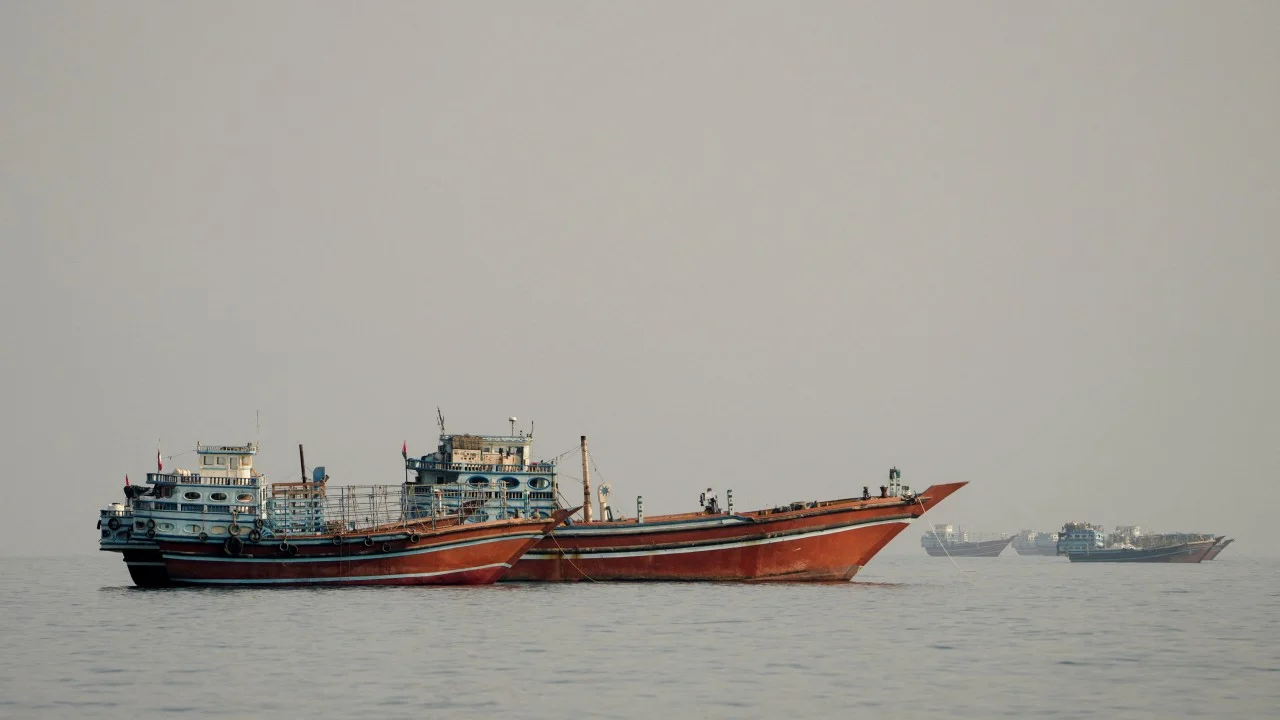
US-Iran UN Talks and Gulf Tensions Drive Volatile Global Oil Prices
Oil prices have swung sharply as US-Iran negotiations at the UN raise hopes for diplomacy, while ongoing conflict and supply disruptions keep markets on edge.
34 sources · over 3 days
VW and Audi Recall Nearly One Million Cars in Germany Over Steering Fault
Volkswagen and Audi have launched a major recall in Germany affecting almost one million vehicles due to a defect that could lead to steering failure, raising significant road safety concerns.
8 sources · today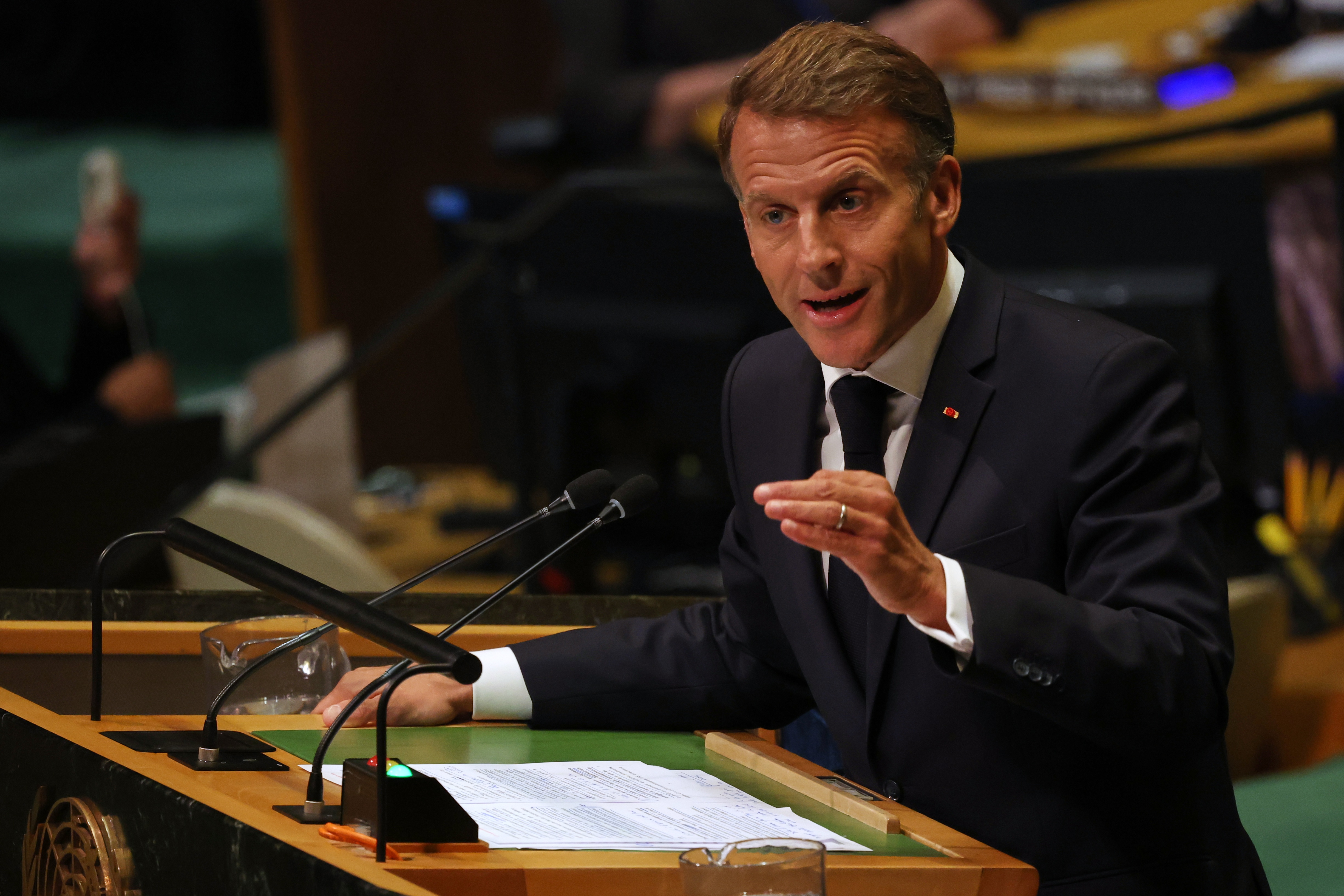
Saudi Arabia Intercepts Houthi Missiles as France Sends Military Aid
After Houthi attacks targeted key Saudi cities and oil infrastructure, France pledged military support to bolster Saudi Arabia's defenses and protect vital energy exports.
20 sources · over 3 days