Fire Amoeba in California Hot Springs Sets New Heat Survival Record
A newly discovered amoeba thriving in volcanic springs has shattered previous heat tolerance records for complex life, reshaping scientists' understanding of life's boundaries in extreme environments.
By Hannah Lindqvist · First published 22 Sept 2026
In brief
- Researchers identified a single-celled amoeba living in hot springs at Lassen Volcanic National Park in California.
- The organism, named Incendiamoeba cascadensis, can eat and reproduce at temperatures up to 63°C or 145°F.
- This is the highest known temperature at which any complex life form has been observed to survive and thrive.
- The amoeba uses a unique protein shield, allowing it to function where other complex organisms would perish.
- Scientists are now studying this extremophile for insights into protein stability and possible applications in biotechnology.
Timeline · 4 moments
Scientists announce discovery of heat-tolerant amoeba in California hot springs
New Scientist ↗Researchers reveal amoeba's unique protein shield mechanism for surviving extreme heat
Science Magazine ↗Lab tests confirm amoeba reproduces at record 63°C, highest for complex life
Phys.org ↗NASA-funded project documents amoeba's partial activity at 150°F in laboratory conditions
NASA Breaking News Space ↗How it started
In the geothermal pools of Lassen Volcanic National Park, scientists searching for extremophiles stumbled upon a previously unknown amoeba. This organism was thriving in water so hot that it would be lethal to most living things. Early lab tests showed that this amoeba was not just surviving, but actively feeding and reproducing at temperatures far above what was thought possible for complex life.
The team named it Incendiamoeba cascadensis, meaning 'fire amoeba of the Cascade mountain range.' Its discovery immediately piqued the interest of researchers studying the boundaries of life on Earth.
How it unfolded
On September 22, 2026, several scientific outlets reported the formal identification and study of Incendiamoeba cascadensis. According to Science Magazine, the amoeba's survival at extreme heat is due to a static protein shield that protects its cellular machinery.
New Scientist detailed how the amoeba was found reproducing at 63°C, a temperature previously considered impossible for complex organisms. Phys.org reported that this record surpassed all known heat tolerance for complex life, drawing attention from the broader scientific community.
Financial Times World and World News CNA highlighted the organism's addition to the 'extremophile' club, noting its significance in studies of life's resilience. Gizmodo Tech covered how the amoeba treats a 145-degree hot spring like a comfortable environment, surprising even seasoned researchers.
NASA Breaking News Space confirmed that the findings were part of a NASA-funded project, with lab tests showing the organism remaining partially active even at 150°F. This finding opens up new questions about how complex life could survive in even harsher environments, both on Earth and potentially elsewhere.
Where it stands
Incendiamoeba cascadensis is now recognized as the most heat-tolerant complex organism known to science. Its unique protein shield mechanism is under active study, with researchers eager to understand how it might be used to engineer heat-resistant proteins for industrial or medical use.
The discovery has also renewed interest in searching for life in other extreme environments, including on other planets or moons with geothermal activity.
What to watch
Scientists are planning further experiments to map the genetic and biochemical basis for the amoeba's extraordinary heat resistance. There is also growing interest in whether similar extremophiles could exist in other geothermal regions, or even on other worlds.
More in Science
All →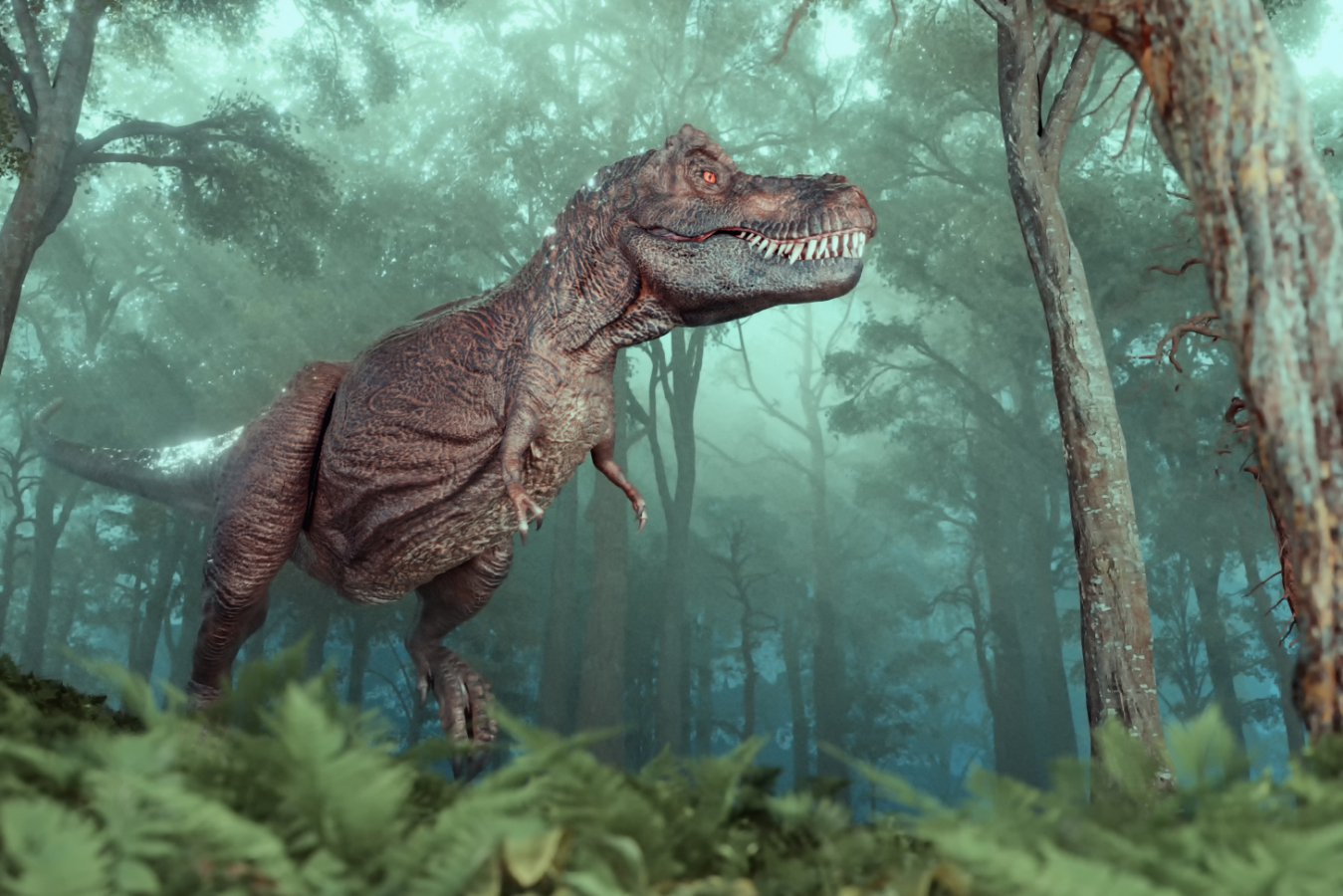
Study Measures Body Temperature of Two T. rexes, Confirms Warm-Bloodedness
Scientists used chemical analysis on two T. rex specimens, confirming both had body temperatures similar to modern humans.
20 sources · over 4 days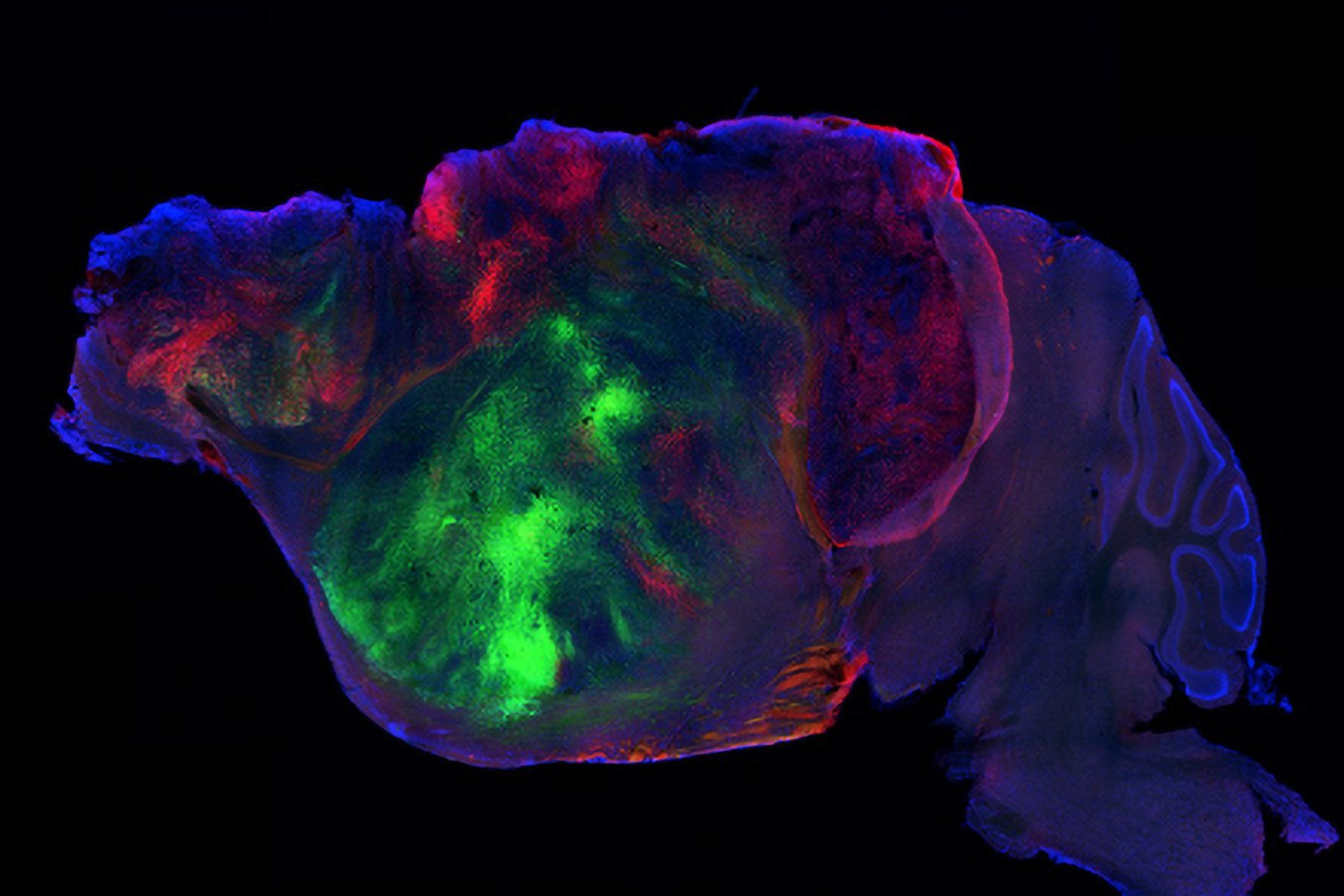
Scientists Replace Mouse Brain Cortex With Human Neurons in Landmark Study
Researchers have successfully integrated human neurons into mouse brains, creating powerful new tools for studying brain diseases but raising pressing ethical questions about animal experimentation.
12 sources · over 4 days
Bolivia's Tilcayo Wild Cat Confirmed as 3-Pound Distinct Species
DNA analysis shows the newly discovered tilcayo wild cat is smaller than a domestic cat and genetically unique.
30 sources · over 5 days