Study Confirms T. rex Was Warm-Blooded With Human-Like Body Temperature
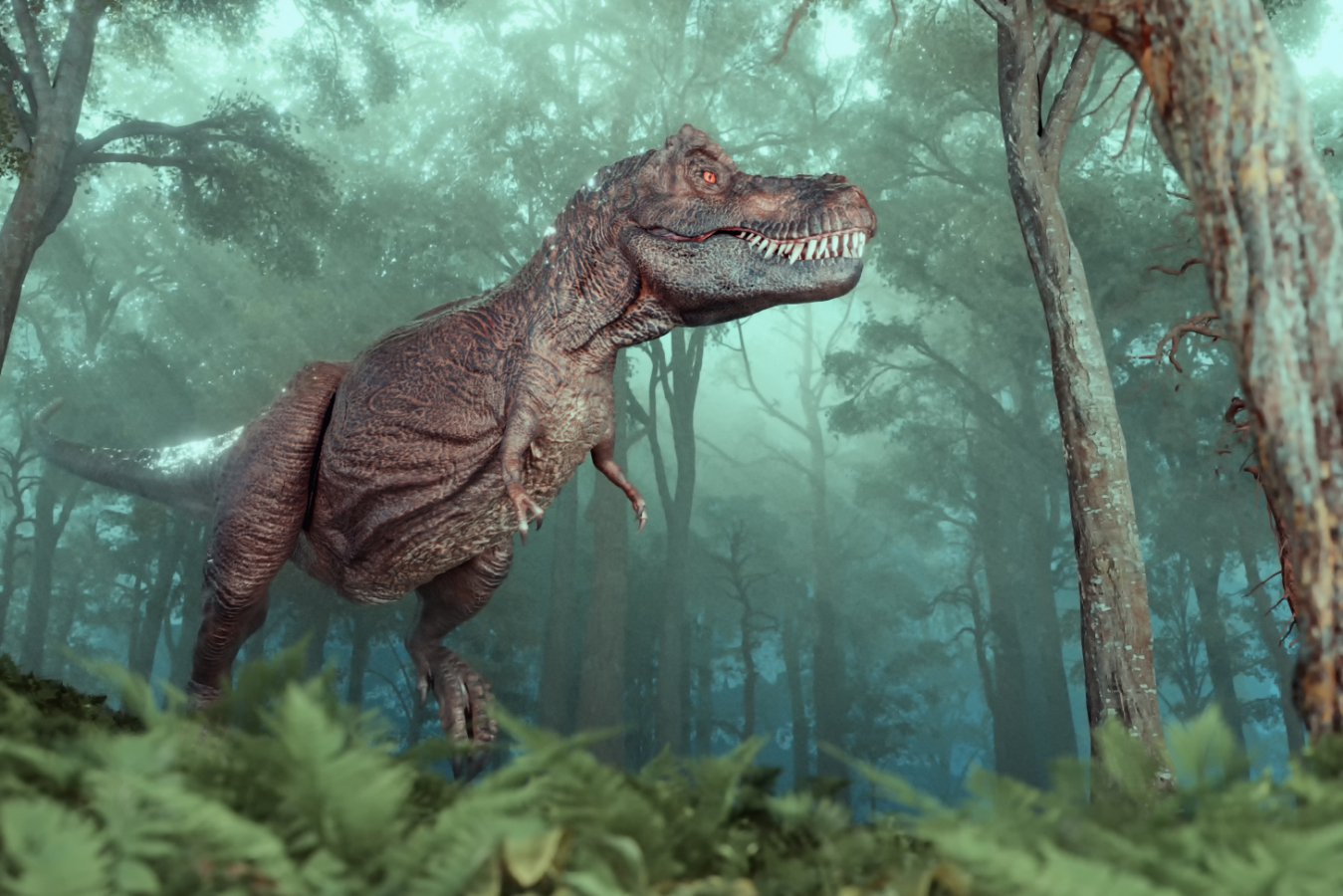
Researchers have used fossilized teeth to show that the Tyrannosaurus rex maintained a warm-blooded metabolism, reshaping what scientists know about dinosaur biology and behavior.
By Fatima Al-Rashid · First published 16 Sept 2026
In brief
- A new study has confirmed that Tyrannosaurus rex was warm-blooded, not cold-blooded as previously thought.
- Researchers determined that T. rex had a body temperature similar to that of modern humans.
- This finding was made possible through advanced analysis of fossilized T. rex teeth.
- The discovery challenges long-held assumptions about dinosaur metabolism and their level of activity.
- Scientists say this insight could change how we understand the evolution and daily lives of large dinosaurs.
Timeline · 4 moments
Study uses T. rex teeth to reveal warm-blooded nature
New Scientist ↗Researchers find T. rex had body temperature like modern humans
Live Science ↗Discovery leads scientists to rethink dinosaur speed and anatomy
Popular Science ↗Analysis shows T. rex evolved toward bird-like warm-blooded traits
Phys.org ↗How it started
For decades, paleontologists debated whether dinosaurs like Tyrannosaurus rex were cold-blooded like reptiles or warm-blooded like birds and mammals. Early depictions often showed dinosaurs as sluggish, slow-moving animals.
As new fossils and technology became available, some researchers began to question these old ideas, especially as evidence mounted that birds evolved from dinosaurs. However, direct evidence about dinosaur metabolism remained elusive for a long time.
How it unfolded
On September 16, 2026, several scientific outlets reported on a breakthrough study analyzing the chemical makeup of fossilized T. rex teeth. The study revealed that the dinosaur maintained a body temperature similar to modern humans, suggesting it was warm-blooded.
According to New Scientist, this is the first time scientists have been able to determine the body temperature of a T. rex directly from its remains. The team used sophisticated methods to analyze oxygen and carbon isotopes in the teeth, which reflect the animal's internal heat regulation.
Live Science explained that this high body temperature supports the idea that T. rex was an active predator, rather than a slow-moving creature dependent on external heat sources. This new insight has led researchers to reconsider the behavior, speed, and hunting capabilities of large theropod dinosaurs.
Phys.org noted that the findings add to the growing body of evidence that many dinosaurs were evolving toward bird-like traits, including warm-bloodedness. The study also opens up new possibilities for understanding the daily lives and ecological roles of these prehistoric animals.
Where it stands
The scientific community now has direct evidence that Tyrannosaurus rex was warm-blooded, with a body temperature close to that of modern mammals. This discovery is prompting paleontologists to revisit previous assumptions about dinosaur physiology and activity levels.
Researchers are now eager to apply similar analysis to other dinosaur species, hoping to learn whether warm-bloodedness was widespread among large carnivorous dinosaurs or unique to certain lineages.
What to watch
The next steps will likely involve testing these methods on a wider range of dinosaur fossils to see if warm-bloodedness was common. Scientists are also interested in how this finding might change our understanding of dinosaur ecosystems, growth rates, and extinction patterns.
More in Science
All →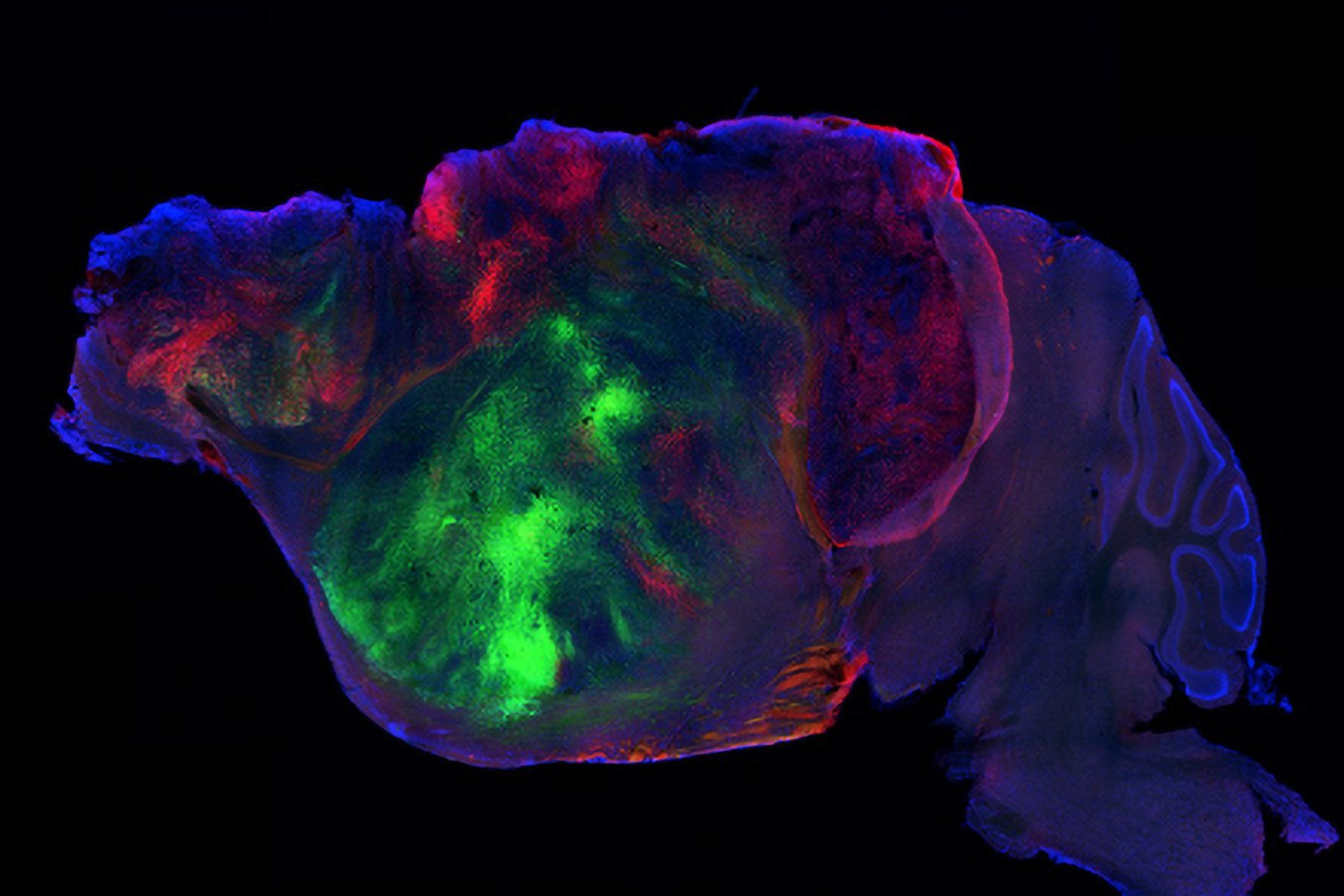
Scientists Replace Mouse Brain Cortex With Human Neurons in Landmark Study
Researchers have successfully integrated human neurons into mouse brains, creating powerful new tools for studying brain diseases but raising pressing ethical questions about animal experimentation.
8 sources · today
US Space Force Publicly Confirms Deployment of Weapons in Orbit for First Time
The United States has officially acknowledged it has weapons stationed in space, citing rising security concerns about China and Russia as the reason for revealing these capabilities now.
39 sources · over 2 days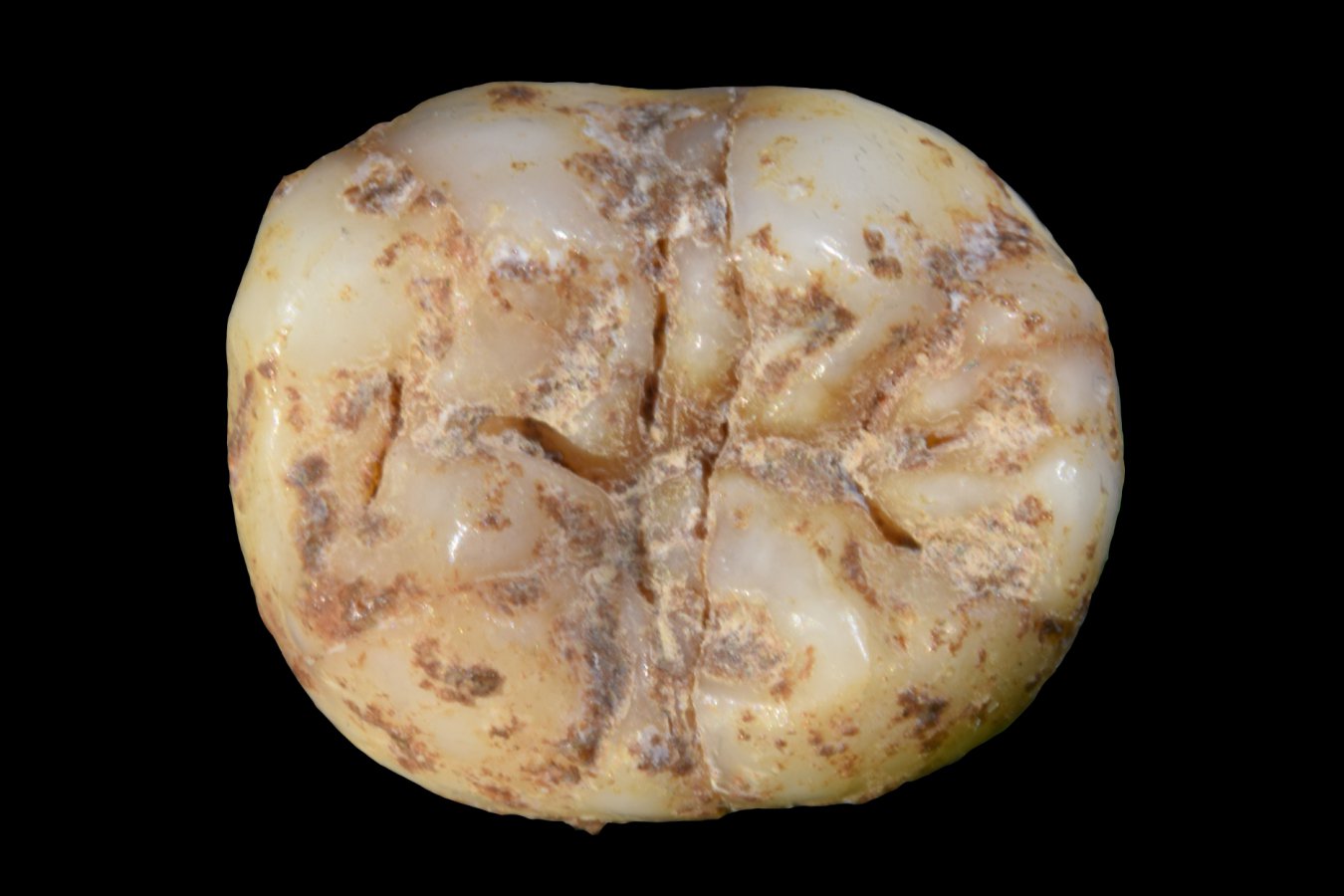
First Denisovan Forearm Bone and Tools Discovered in Southwest China Cave
Recent fossil and tool discoveries in a Chinese cave reveal Denisovans lived there for over 100,000 years, shedding new light on their physical traits and lifestyle.
8 sources · over 2 days