India Hosts 2026 BRICS Summit as Leaders Focus on Cooperation and Global South Ties
India is hosting the 18th BRICS Summit in New Delhi, bringing together major emerging economies to discuss trade, technology, defense, and expanded cooperation amid global tensions.
By Mei-Ling Chao · First published 9 Sept 2026
In brief
- The 18th BRICS Summit is being held in New Delhi from September 12 to 13, 2026, with leaders from all member countries attending.
- India has prioritized collaboration and building ties with other Global South blocs over direct confrontation with Western powers.
- Key summit topics include trade, technology imports, investment restrictions, and deepening defense cooperation, especially between India and Russia.
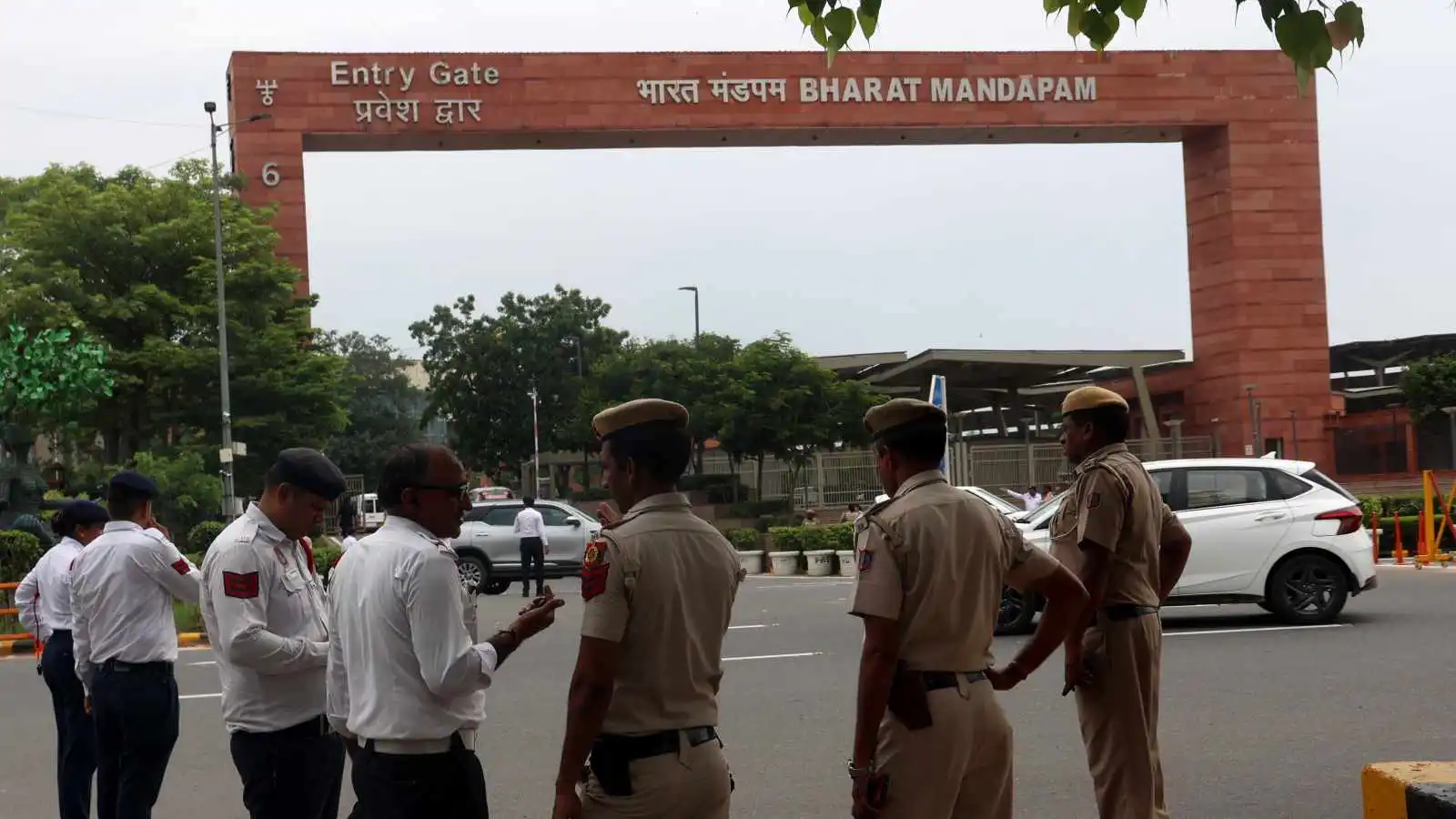
- Security in New Delhi is tight, with 25,000 police deployed and major traffic restrictions to manage the movement of delegations.
- The summit is not expected to consider expanding the bloc but will discuss making BRICS more relevant and responsive to global challenges.
Timeline · 7 moments
India sets cooperative goals for BRICS Summit
Indian Express ↗Bloc expansion not on agenda, focus on integration
Business Line - Home ↗Modi and Putin to meet on defense cooperation
India News ↗Summit agenda highlights trade and digital reforms
Business Line - Home ↗Delhi prepares for summit with major security measures
Indian Express ↗India invites regional blocs to build Global South network
Business Line - Home ↗Summit opens in New Delhi with leaders in attendance
Mint ↗How it started
BRICS began in 2006 as a group of major emerging economies, Brazil, Russia, India, China, and South Africa, seeking to amplify their collective voice in global affairs. In 2026, India is marking the 20th anniversary of the group by hosting the 18th summit in New Delhi. The focus this year is less on rivalry with the West and more on adapting the bloc to the rapidly changing global environment, including economic and security challenges.
India's presidency comes at a time when BRICS is grappling with internal differences and external pressures. Leaders and experts have highlighted the need for the group to demonstrate its continued relevance and to consider new forms of cooperation, especially with other developing economies.
How it unfolded
On September 6, outlets reported India's intention to steer BRICS toward constructive goals, emphasizing cooperation over confrontation and reflecting on the group's two-decade journey. Plans emerged to focus on technology imports and investment flows, particularly in discussions with China, while also addressing the issue of integration among new and existing members.
By September 8, it was confirmed that India would not push for further expansion of the bloc during this summit, instead aiming for better integration and resolving differences over a joint communique. Security preparations ramped up in New Delhi, with thousands of police officers deployed and extensive traffic advisories issued ahead of the summit.
A day before the summit, Indian Prime Minister Narendra Modi scheduled a bilateral meeting with Russian President Vladimir Putin to discuss deepening defense ties, including talks on the Su-57 fighter jet and nuclear energy cooperation. The summit agenda also began to take shape, with attention on trade reforms, digital trade, and building stronger links with other regional groups from the Global South.
As the summit approached, reports highlighted the challenges of managing a group with diverse interests, especially as leaders from China and Russia confirmed their attendance for the first time since the previous year. The summit's theme, resilience, innovation, cooperation, and sustainability, was set to reflect both ambition and the complexity of BRICS's current position.
Where it stands
The BRICS Summit is underway in New Delhi, with leaders from all member countries gathering at Bharat Mandapam. Security is visibly heightened, and the city faces significant disruptions due to the scale of the event. Discussions are focused on practical cooperation, particularly in defense and trade, while avoiding direct confrontation with Western countries.
India has extended invitations to major regional blocs such as ASEAN, the GCC, and the African Union, signaling a broader effort to position BRICS as a hub for the Global South. While expansion of the bloc is off the table for now, there is a strong emphasis on making BRICS more agile and responsive to global challenges.
What to watch
Attention now turns to whether BRICS members can agree on a joint communique and concrete steps to deepen economic and technological cooperation. The outcome of bilateral talks between India and Russia, especially on defense deals, will also be closely watched. The summit's success may hinge on India's ability to keep the group focused on shared goals despite ongoing geopolitical tensions.
More in Politics
All →
Trump Gave $45,000 Cash Gifts to Four White House Aides
Financial records now confirm four aides, including Natalie Harp, received $45,000 cash holiday gifts from Trump.
20 sources · over 2 days
Police Open Criminal Probe Into Reform UK Over Donation Allegations
The Metropolitan Police are now formally investigating Reform UK after undercover footage suggested attempts to secure illegal foreign donations.
24 sources · over 7 days
AfD Election Win in Sachsen-Anhalt Sparks Political Upheaval and Protests in Germany
The far-right AfD's victory in Sachsen-Anhalt has triggered coalition maneuvers, party infighting, and nationwide protests, raising concerns about Germany's political direction and alliances.
22 sources · over 3 days