Indian Banks Prepare for Three-Day Nationwide Strike Set for September 28-30
A three-day strike called by major bank unions threatens to disrupt services across India, prompting banks and the government to issue advisories and urge last-minute preparations.
By Daniel Okafor · First published 23 Sept 2026
In brief
- A nationwide bank strike is scheduled from September 28 to 30, 2026, affecting both public sector and rural banks.
- The United Forum of Bank Unions, representing most bank employees, is leading the strike over key demands including a five-day workweek.
- Banks have announced they will open on Sunday, September 27, to help customers complete urgent transactions before the strike.
- Essential services like ATMs and online banking are expected to function, but many branch operations will be limited or unavailable.
- The government has asked unions to resolve issues through dialogue and reconsider the strike, but no agreement has been reached yet.
Timeline · 8 moments
Bank unions announce three-day strike for September 28-30
NDTV India ↗Banks issue advisories on available services during strike
India News ↗State Level Bankers' Committee urges customers to plan ahead
The Hindu ↗Government urges unions to resolve issues through dialogue
The Times of India ↗Public sector and rural banks confirm participation in strike
Daily GK Update ↗Banks announce special Sunday opening on September 27
Times of India ↗Bank unions reiterate demands and confirm strike plans
NDTV India ↗Banks circulate final advisories to customers ahead of strike
Mint ↗How it started
The call for a nationwide bank strike began with growing dissatisfaction among bank employees over work conditions and other policy issues. The United Forum of Bank Unions, which claims to represent around 90 percent of India's banking workforce, put forward several demands. Their main requests include instituting a five-day workweek for banks and the withdrawal of the Performance Linked Incentive (PLI) scheme, which they argue is unfair.
Tensions increased as unions felt their concerns were not being addressed by management or the government. With negotiations stalling, the unions decided to announce a three-day strike, aiming to draw attention to their demands and put pressure on decision-makers.
How it unfolded
On September 21, 2026, major outlets reported the unions' plan to strike from September 28 to 30. The State Bank of India and other leading banks issued advisories, warning customers about possible disruptions and listing which services would remain operational during the strike, such as ATM withdrawals and online banking.
Banks began urging customers to complete essential in-branch transactions before the strike period. The State Level Bankers' Committee and other banking bodies also advised customers to plan ahead to avoid inconvenience, as reported that same day.
The government responded quickly. The finance ministry publicly urged bank unions to resolve their grievances through dialogue and asked them to reconsider the strike, hoping to head off a major disruption to financial services.
As the strike drew nearer, banks announced an unusual step: they would open branches on Sunday, September 27, to help customers complete urgent work before the three-day shutdown. This move was aimed at reducing the impact of the strike, especially after a regular weekend when banks are usually closed.
By September 23, public sector and regional rural banks confirmed they would remain open on the Sunday before the strike. Advisories circulated widely, emphasizing the need for customers to plan ahead and outlining which services would still be available during the protest.
Where it stands
With only days to go before the strike, banks across India are preparing for limited operations from September 28 to 30. Many branches will close or offer only basic services. However, essential functions like ATM withdrawals and digital banking are expected to remain accessible.
Despite government appeals for dialogue, there has been no breakthrough in talks between the unions and authorities. Customers have been strongly advised to finish important in-branch transactions before the strike begins, especially taking advantage of the special Sunday opening.
What to watch
The main question now is whether last-minute talks between unions and the government will lead to a cancellation or postponement of the strike. If the protest goes ahead, the extent of disruption will depend on customer preparedness and the ability of banks to keep essential services running.
More in Business
All →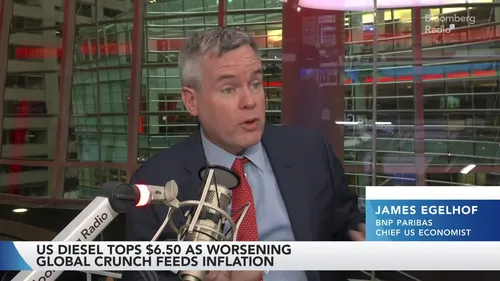
Record Diesel Prices Hit US Amid Iran Conflict and Global Supply Shocks
Diesel prices in the United States have soared above $6.50 per gallon, driven by the Iran war and global supply disruptions, straining the economy and prompting calls for drastic policy action.
32 sources · over 7 days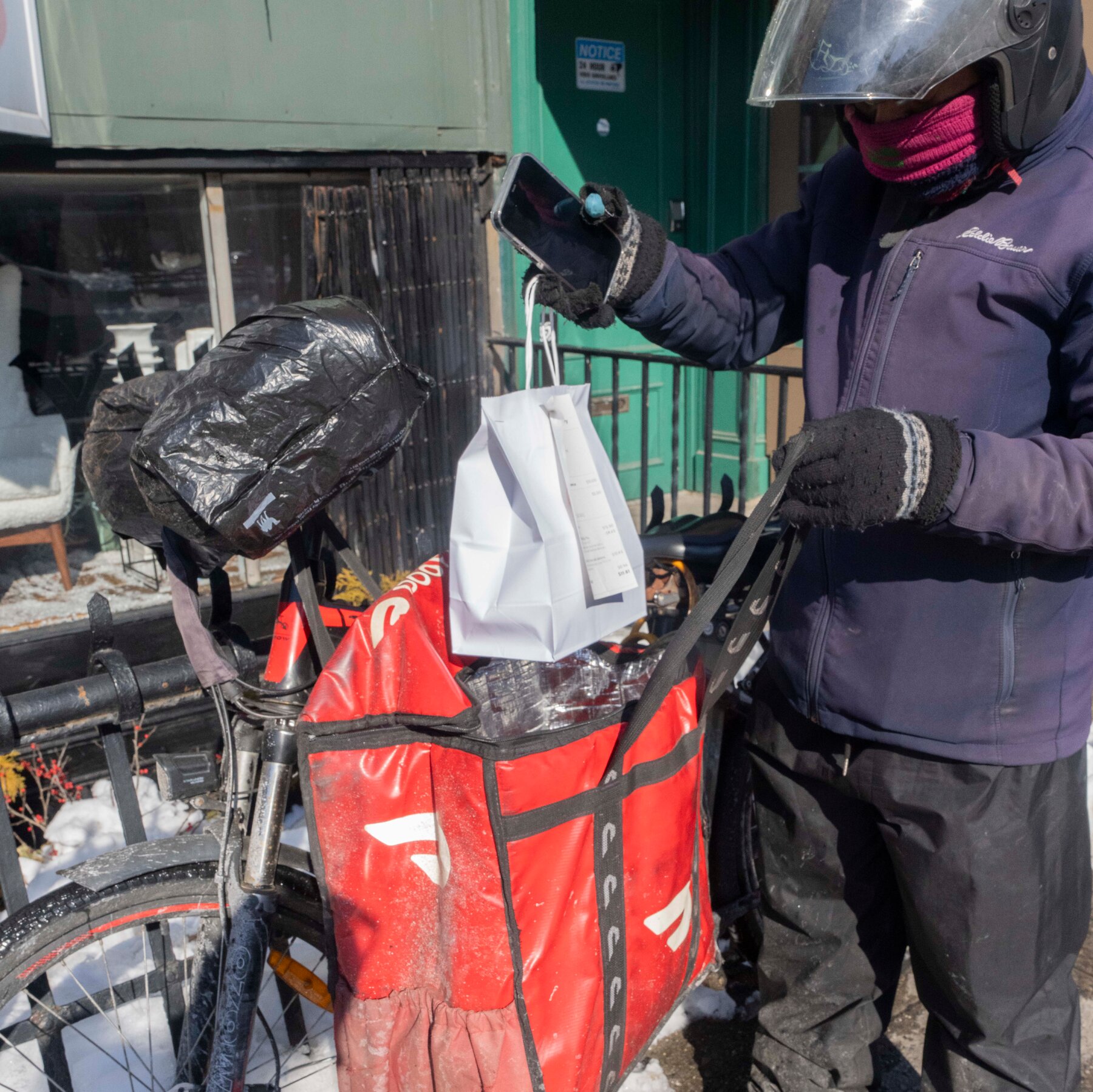
DoorDash to Pay $131.5 Million in NYC Worker Settlement
DoorDash agreed to pay $131.5 million to settle claims it underpaid over 260,000 New York City delivery workers.
15 sources · today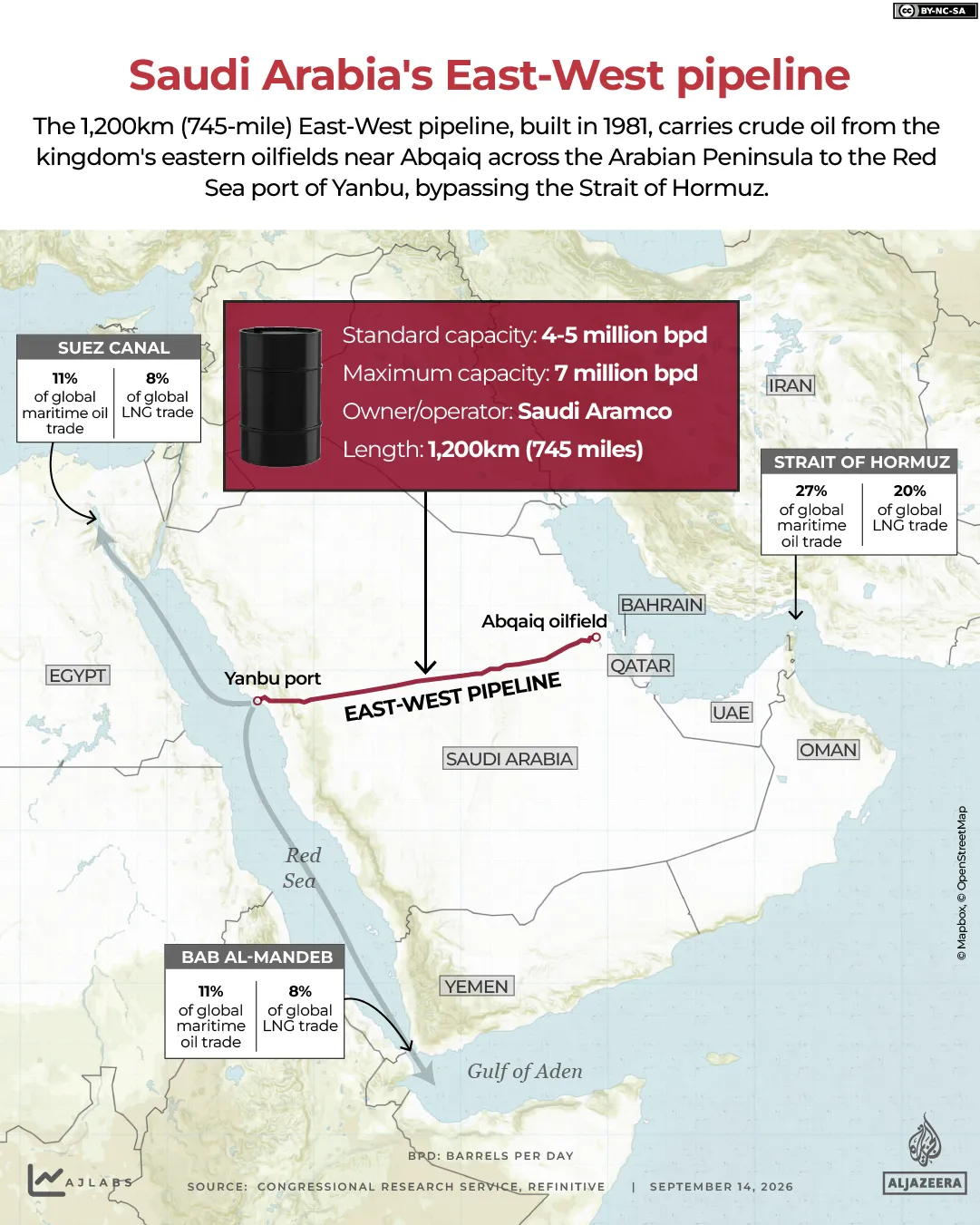
Saudi Arabia Restarts Pipeline, Oil Exports to Europe Set to Resume
Saudi Arabia has restarted its key pipeline and plans to resume crude shipments, easing global supply concerns after the attack.
24 sources · over 8 days