Italy Confirms 3.1% Deficit for 2025, Stays Under EU Fiscal Oversight
Italy's public deficit for 2025 has been confirmed at 3.1 percent, meaning the country will remain under the European Union's corrective measures for another year.
By Elena Petrova · First published 23 Sept 2026
In brief
- Italy's national statistics office has confirmed a public deficit of 3.1 percent for 2025.
- The deficit figure means Italy remains under the EU's excessive deficit procedure for at least another year.
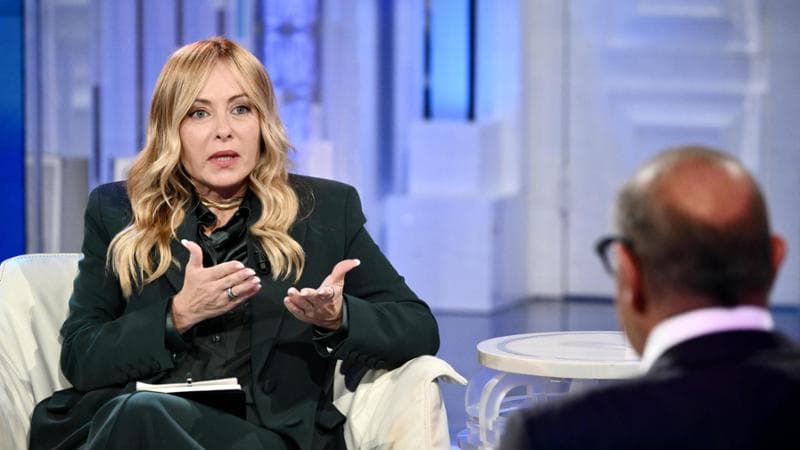
- Prime Minister Giorgia Meloni and Finance Minister Giancarlo Giorgetti expressed frustration at not exiting the procedure early.
- Italian government leaders are now debating possible strategies to manage spending and fiscal rules going forward.
- The situation could impact Italy's budget planning and its requests for flexibility on spending, especially before the next elections.
Timeline · 5 moments
Istat confirms Italy's 2025 deficit at 3.1 percent
TGcom24 ↗Prime Minister Meloni expresses disappointment with Istat's deficit confirmation
La Repubblica ↗Italy remains under EU excessive deficit procedure for another year
Il Post ↗Debate grows in Rome over next fiscal steps and possible spending requests
Fanpage ↗Government faces restricted budget margin ahead of elections
Il Post ↗How it started
Italy has struggled for years with high public debt and persistent deficits. The European Union monitors member states' finances and can place countries under special oversight if their deficits exceed set limits. Italy entered the EU's excessive deficit procedure due to previous years' overspending. The government, led by Prime Minister Giorgia Meloni, had hoped improved economic data would allow Italy to exit the procedure early. This would have given more freedom for public spending and budget planning.
How it unfolded
On September 22, 2026, Italy's statistics office, Istat, confirmed the country's public deficit for 2025 at 3.1 percent of GDP, just above the EU's 3 percent threshold. This figure disappointed government officials, who had hoped for a revision that might bring the number below the EU limit. Finance Minister Giancarlo Giorgetti publicly acknowledged the result with regret, stating that the government had to accept the outcome.
Prime Minister Meloni also voiced frustration, criticizing Istat and suggesting that either the institute underestimated Italians or the government's efforts. The confirmation of the deficit means Italy will remain under the EU's corrective measures for excessive deficits for at least another year. The government now faces added pressure in finalizing its budget law, as the continued oversight restricts fiscal flexibility.
Political debate has intensified in Rome. Some leaders, such as Matteo Salvini, have called for new deficit spending, while others urge caution. Former Finance Minister Giovanni Tria argued that the markets expect Italy to proceed carefully with fiscal consolidation. According to reports, government discussions are ongoing about how to balance EU rules with domestic priorities, especially regarding spending on energy and defense.
Where it stands
Italy's deficit is officially confirmed at 3.1 percent for 2025, and the country remains under the EU's excessive deficit procedure. This limits the government's ability to increase spending or cut taxes freely. Italian leaders are openly disappointed, as they had hoped to exit the procedure ahead of schedule. The ongoing EU oversight will shape the government's approach to the next budget law and its negotiations with Brussels.
What to watch
The Italian government is now considering its options for fiscal policy, including whether to ask the EU for special allowances on spending. The next steps will be closely watched, especially as the government prepares its budget before the upcoming elections and faces pressure from both Brussels and domestic political forces.
More in Business
All →
DoorDash to Pay $131.5 Million in NYC Worker Settlement
DoorDash agreed to pay $131.5 million to settle claims it underpaid over 260,000 New York City delivery workers.
20 sources · over 2 days
Indian Banks Prepare for Three-Day Nationwide Strike Set for September 28-30
A three-day strike called by major bank unions threatens to disrupt services across India, prompting banks and the government to issue advisories and urge last-minute preparations.
9 sources · over 3 days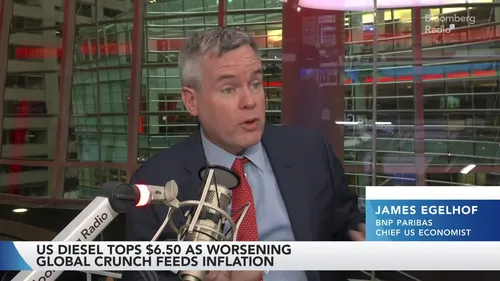
Record Diesel Prices Hit US Amid Iran Conflict and Global Supply Shocks
Diesel prices in the United States have soared above $6.50 per gallon, driven by the Iran war and global supply disruptions, straining the economy and prompting calls for drastic policy action.
32 sources · over 7 days