NASA Calls Off $30 Million Rescue as Swift Telescope Faces Fiery Re-entry
NASA has abandoned its ambitious plan to save the aging Neil Gehrels Swift Observatory after technical failures, marking the end of a pioneering gamma-ray telescope and raising questions about future satellite servicing.
By Isabel Navarro · First published 17 Aug 2026
In brief
- NASA has canceled the $30 million rescue mission for the Neil Gehrels Swift Observatory due to technical failures.
- The LINK spacecraft failed to establish communication with Swift and could not perform the planned orbit-boost maneuver.
- Swift is expected to re-enter Earth's atmosphere uncontrollably later in 2026, marking the end of its mission.
- NASA will use lessons learned from this failure to inform future satellite servicing efforts and missions.
- Monitoring will occur during Swift's re-entry to ensure public safety as it descends through the atmosphere.

Timeline · 7 moments
Swift telescope's orbit decay prompts rescue plan
Публикации по подписке ↗NASA confirms issues with LINK rescue spacecraft
NASA Breaking News Space ↗NASA aborts attempt to save dying space telescope
Axios ↗Swift rescue mission called off after craft problems
CBS Top Stories ↗Swift telescope set to burn up after failed rescue
Time.news ↗NASA details failure of satellite rescue mission
Science Magazine ↗NASA confirms Swift's fiery demise after mission canceled
NBC News ↗How it started
Launched in 2004, the Neil Gehrels Swift Observatory was designed to study gamma-ray bursts, some of the most energetic events in the universe. The telescope quickly became an essential tool for astronomers, far outlasting its original two-year mission.
By 2026, Swift was still operational and producing valuable science, but its orbit had decayed after more than two decades in space. NASA sought to extend its life by raising its orbit, turning to a commercial partner, Katalyst Space Technologies, for an experimental rescue attempt.
The plan was to use a robotic spacecraft called LINK to rendezvous with Swift and push it into a higher, safer orbit. This project was intended not just to save Swift but also to demonstrate new ways to maintain and extend the life of aging satellites.
How it unfolded
In mid-August 2026, NASA announced that the LINK spacecraft, built by Katalyst Space Technologies, was experiencing persistent control issues. According to NASA Breaking News Space on August 19, LINK was unable to proceed due to a problem with its commercial spacecraft control system.
Multiple outlets, including Axios and CBS, reported on August 19 that the agency was calling off the rescue mission. Despite a $30 million investment, LINK could not establish stable communication or control, and the planned orbit-boost maneuver was abandoned. The Daily Mail and Mashable Tech both noted NASA's focus was now shifting to learning from the failed attempt for future missions.
By August 20, further details emerged. According to Science Magazine, the rescue craft never managed to communicate with the Swift Observatory before failing. Reports from outlets like Time.news and Slashdot confirmed that Swift is now expected to re-enter Earth's atmosphere uncontrollably later in 2026. The mission's cancellation marks the end of one of NASA's first large-scale attempts to use a private spacecraft for satellite rescue.
Where it stands
NASA has officially ended all attempts to save the Swift Observatory. The LINK spacecraft will not attempt any further maneuvers, and Swift is set to burn up in Earth's atmosphere later this year, according to NBC News and other sources.
The mission's failure is a setback for NASA and its partners, but officials and engineers say lessons learned will inform future satellite servicing efforts. There are no plans to replace Swift, which leaves a gap in gamma-ray burst observations for the near future.
What to watch
Attention now turns to the re-entry of the Swift Observatory. While most of the telescope will burn up on re-entry, NASA and international agencies will monitor its descent to ensure public safety.
The outcome of this mission will also influence how NASA and commercial partners approach future satellite servicing and orbital rescue operations, especially as other aging observatories like Hubble face similar orbital challenges.
More in Science
All →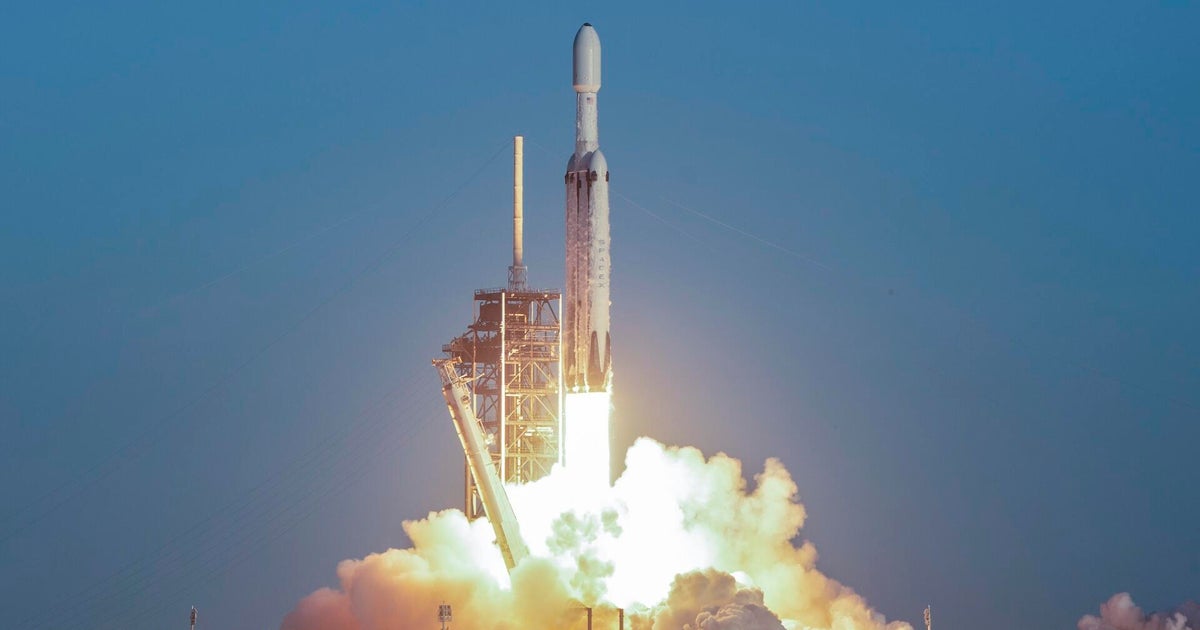
NASA Launches Nancy Grace Roman Telescope to Unravel Dark Universe
NASA successfully launched the $4.3 billion Nancy Grace Roman Space Telescope on August 30, 2026, with the goal of exploring dark energy, dark matter, and distant planets, promising major advances in cosmic research.
80 sources · over 16 days
Trump Launches US Space Academy and Honors Artemis II Crew in Houston
President Trump has signed an executive order creating the US Space Academy, coinciding with awarding the Artemis II crew the Congressional Space Medal of Honor after their record-setting lunar mission.
27 sources · over 10 days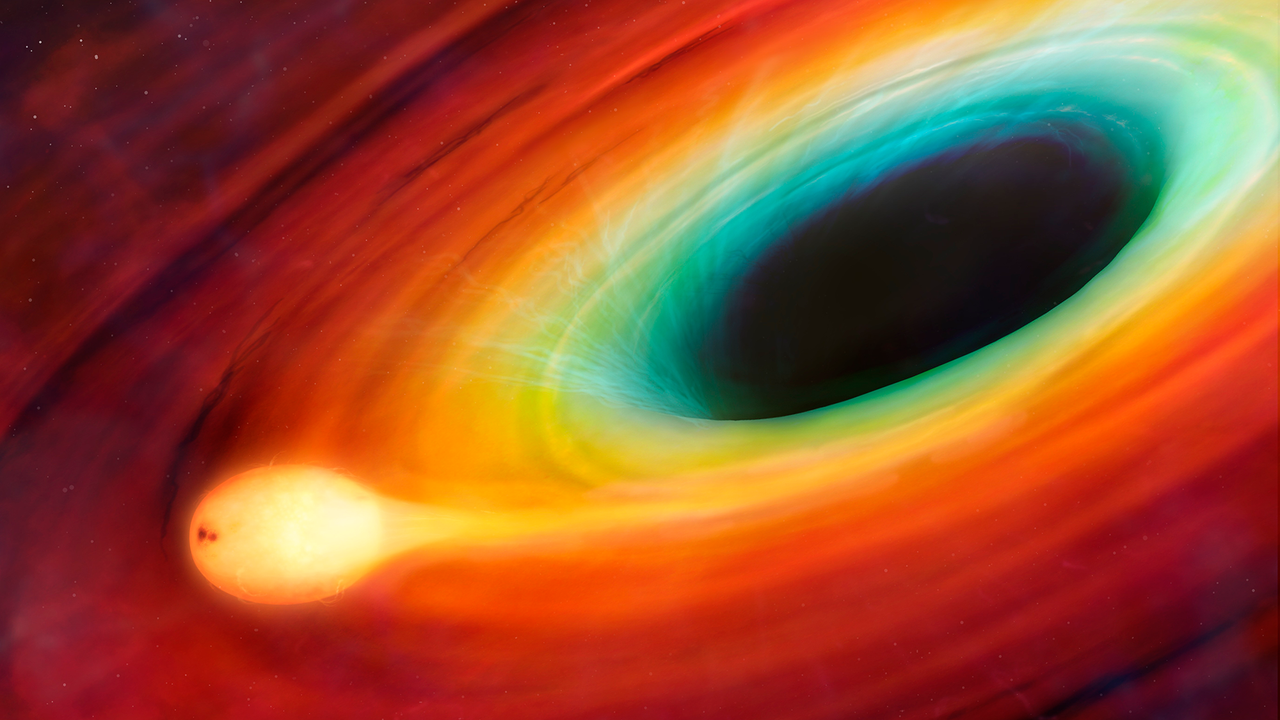
Astronomers Discover S301, Fastest Star Orbiting Milky Way's Black Hole
The discovery of star S301, racing around Sagittarius A* at 25,000 kilometers per second, gives scientists a unique chance to study the black hole's spin and put Einstein's relativity to the test.
22 sources · over 10 days