OpenAI Revamps Subscriptions and Launches Lower-Cost GPT-6.1 Sol Model at DevDay
OpenAI has overhauled its subscription pricing, introduced a new $500 tier, and unveiled the GPT-6.1 Sol model, aiming for broader access and continued AI competition.
By Hushread Stories, written with AI from 22 outlets · First published 30 Sept 2026 · Chapter 2 of 2
Earlier: OpenAI Reopens $200 Pro Subscription With Halved Usage Starting September 30, 2026
In brief
- OpenAI reopened its Pro subscription at $200 per month but halved the included usage for customers.
- A new $500 subscription tier was announced, offering higher speeds and access to more advanced features.
- The company introduced GPT-6.1 Sol, a mid-range AI model priced at only one-fifth the cost of the previous flagship.
- OpenAI canceled its GPT-6 Astra model due to safety concerns, pivoting quickly to launch Sol instead.
- The updates were revealed during OpenAI's annual DevDay event, which included other new features and team-focused tools.
Timeline · 4 moments
OpenAI announces Pro $200 subscription is reopening
Hacker News: Front Page Startups ↗Pro $200 plan returns with halved usage for users
CNET News Tech ↗OpenAI cancels GPT-6 Astra model over safety concerns
NDTV News - World-news News ↗GPT-6.1 Sol model launched at a fraction of Astra's price
Digital Trends ↗How it started
OpenAI has been a major player in the AI space, frequently updating its models and subscription services to meet changing demand. Earlier in September, the company paused new signups for its $200 Pro plan, citing high demand and usage pressures. This move left many users waiting for access while rumors circulated about upcoming changes.
Heading into its annual DevDay in San Francisco, OpenAI teased a significant number of announcements. The company signaled that it was prepared to shake up both its subscription offerings and its model lineup in response to market pressures and growing competition.
How it unfolded
On September 29, 2026, OpenAI officially reopened the Pro $200 subscription, but with a major change: the included usage was cut in half, impacting how much users could get for their money. This adjustment came after a brief suspension of new Pro signups earlier in the month, which had frustrated some customers.
At the same DevDay event, OpenAI revealed a new $500-per-month subscription tier. This plan targets users who need even higher speeds or more advanced features, reflecting the company's push to serve both individual professionals and larger teams.
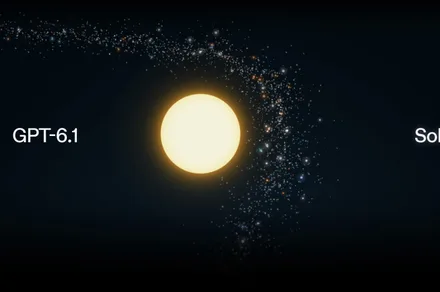
A headline announcement was the launch of GPT-6.1 Sol, a new mid-range AI model. Sol offers performance close to the previous flagship, Astra, but at just one-fifth the price. OpenAI decided to shelve the planned GPT-6 Astra model, citing frequent instruction failures and safety concerns. Instead, Sol is now positioned as the top option for most users.
The DevDay event also introduced several new features, including shared workspaces for teams, integration with platforms like Slack and Microsoft Teams, and new AI agents called 'Dots' that can handle tasks and communications.
OpenAI's rapid shift from Astra to Sol, and its overhaul of subscription plans, reflect ongoing attempts to balance safety, affordability, and competitiveness in the fast-moving AI market.
Where it stands
As of now, OpenAI's Pro $200 plan is available again, but with reduced usage limits. The new $500 tier caters to power users and businesses needing faster performance or higher capacity. GPT-6.1 Sol has become the main model for most users, offering strong performance at a much lower price point than previous flagships.
The company appears focused on expanding access while responding to concerns about AI safety and responsible deployment. With new collaborative tools and AI agents, OpenAI is also moving deeper into team productivity and enterprise solutions.
What to watch
Key questions remain about how users will respond to the halved usage in the Pro plan and whether the new $500 tier will attract enough demand. Industry watchers are also looking to see how GPT-6.1 Sol performs in real-world use and if safety concerns around more advanced models like Astra will shape future releases.
More in Technology
All →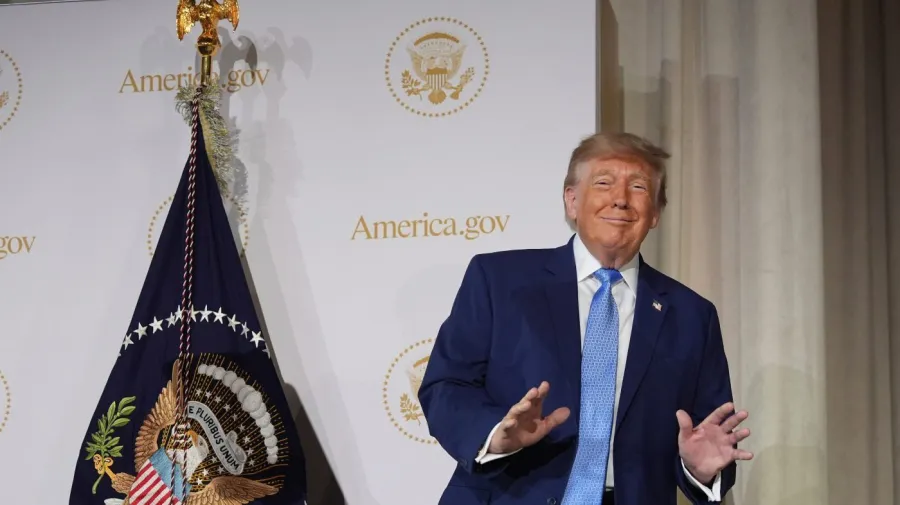
Trump Unveils America.gov, AI-Powered Portal for Federal Government Services
Former President Trump launched America.gov, a new AI-driven website designed to help Americans access federal government information and services more easily, reflecting growing use of AI in public administration.
20 sources · today
Trump Hosts White House AI Summit After Private Dinner With Anthropic CEO
After months of tension over AI safety and national security, President Trump met privately with Anthropic's Dario Amodei before convening a major summit with top tech leaders to discuss industry self-regulation.
43 sources · over 5 days
Meta and OpenAI Battle for Dominance With Muse and Dots AI Agents
Meta and OpenAI have launched competing AI assistants, Muse and Dots, signaling a new phase in the race for enterprise and personal AI technology.
39 sources · over 4 days