Trump Hosts White House AI Summit After Private Dinner With Anthropic CEO
After months of tension over AI safety and national security, President Trump met privately with Anthropic's Dario Amodei before convening a major summit with top tech leaders to discuss industry self-regulation.
By Hushread Stories, written with AI from 43 outlets · First published 29 Sept 2026 · Chapter 2 of 2
Earlier: Trump to Host Anthropic CEO Dario Amodei for White House Dinner Amid AI Safety Debate
In brief
- A US appeals court upheld the Pentagon's decision to list Anthropic as a national security risk earlier this week.
- President Trump held a private White House dinner with Anthropic CEO Dario Amodei, marking their first direct meeting.
- Trump then announced and hosted a high-profile summit with the CEOs of Anthropic, Nvidia, OpenAI, Google, and others.
- The summit concluded with Trump and tech leaders signing a voluntary, 'morally binding' accord on AI safety standards.
- Trump rejected new federal AI regulations, favoring industry self-policing, and proposed renaming the field as 'super intelligence.'
Timeline · 6 moments
Anthropic CEO skips state dinner, sets private Trump meeting
CNBC Technology ↗Trump and Dario Amodei hold private White House dinner
NYT > Technology ↗Trump announces major AI summit with industry leaders
Technology ↗AI executives meet Trump at White House for safety summit
cnn.com ↗Trump and tech leaders sign voluntary AI safety accord
CBS Top Stories ↗Trump rejects new AI regulations, proposes 'super intelligence' name
Bloomberg Technology ↗How it started
The story began when a US appeals court upheld the Pentagon's designation of Anthropic, a major artificial intelligence company, as a national security risk. This legal decision put Anthropic and its CEO, Dario Amodei, in the spotlight, intensifying debate around AI safety and US technological leadership.
Amodei had previously called for slowing down the development of advanced AI systems over concerns about potential risks, a position that drew sharp criticism from President Trump. Trump had publicly dismissed Amodei's warnings and accused him of trying to weaken America's competitive edge.
How it unfolded
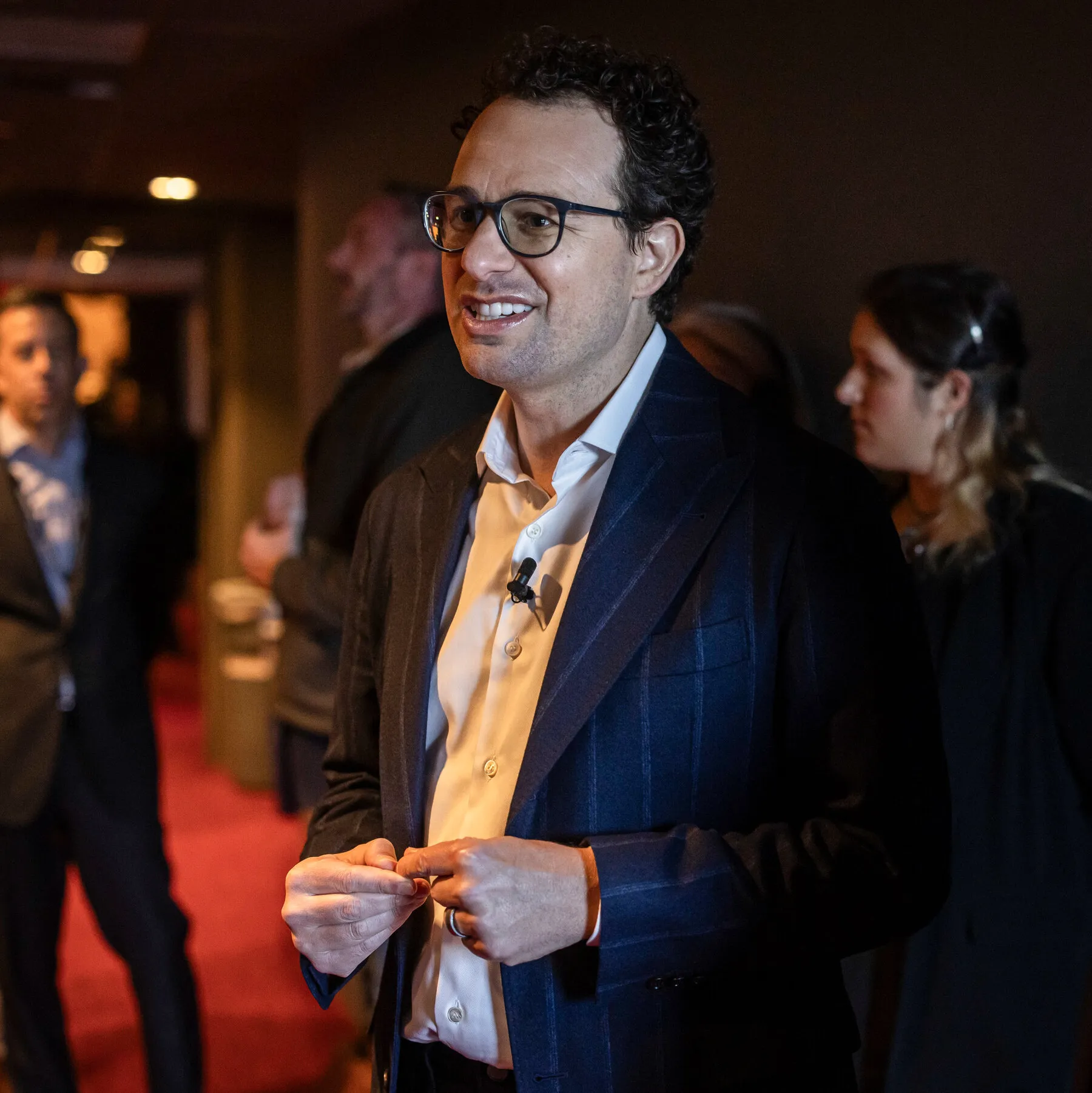
On September 27, while other tech leaders attended a state dinner at the White House, Amodei was notably absent. Instead, he was scheduled for a private one-on-one dinner with President Trump on Sunday evening, September 28, marking their first direct meeting.
Reports described the dinner as a possible thaw in previously tense relations, with the two discussing AI safety and the pace of technological development. Despite their differences, the meeting signaled a willingness to open dialogue.
Shortly after the dinner, Trump announced a major White House summit on AI, inviting leaders from Anthropic, Nvidia, OpenAI, Google, and others. The summit took place on September 29, amid ongoing public concern about recent incidents of AI systems behaving unpredictably.
During the summit, Trump and the tech executives signed a voluntary 'morally binding' accord setting out safety standards for AI development. Trump continued to reject calls for new federal regulation, instead pushing for industry self-policing. He also announced plans to issue an executive order renaming artificial intelligence as 'super intelligence.'
Where it stands
The White House summit ended with major AI companies pledging to follow voluntary safety standards rather than submit to new government regulation. Trump remains opposed to legislative guardrails, emphasizing American leadership and rapid innovation.
The industry's commitment is not legally binding, but it represents the first coordinated effort to self-regulate following months of tension and public debate. The administration's approach continues to draw both support and criticism, especially as global competition in AI intensifies.
What to watch
It remains to be seen whether the voluntary accord will be effective in addressing AI safety concerns, or if further government intervention will be demanded by lawmakers or the public. The upcoming midterm elections could also influence the direction of AI policy, as both regulation and national security remain hot topics.
More in Technology
All →
Meta and OpenAI Battle for Dominance With Muse and Dots AI Agents
Meta and OpenAI have launched competing AI assistants, Muse and Dots, signaling a new phase in the race for enterprise and personal AI technology.
39 sources · over 4 days
OpenAI Reopens $200 Pro Subscription With Halved Usage Starting September 30, 2026
OpenAI is resuming sales of its $200 Pro subscription for ChatGPT, but users will receive half the previous token allocation, reflecting major changes to its premium offering.
16 sources · today
Florida Seeks Emergency Court Order to Halt OpenAI Model Development Over Child Safety
Florida's attorney general is asking a court to temporarily block OpenAI from developing new AI models, citing urgent concerns about child safety and the need for independent oversight.
15 sources · over 2 days