Russia Holds Parliamentary Elections Amid Ukraine War and Tightened Controls
Russians are voting in their first parliamentary election since the Ukraine invasion, as the Kremlin seeks a show of support and opposition voices face heavy restrictions.
By Luca Moretti · First published 18 Sept 2026
In brief
- Voting has started in Russia's first parliamentary elections since the full-scale invasion of Ukraine began in 2022.
- President Putin is urging high turnout as a demonstration of public backing for the ongoing war in Ukraine.
- United Russia is widely expected to maintain its majority in the State Duma due to restricted competition and state oversight.
- Anti-war and opposition candidates remain largely excluded from the ballot, with dissent heavily suppressed.
- Elections are also being conducted in Russian-occupied Ukrainian territories, raising concerns about legitimacy and voter participation.
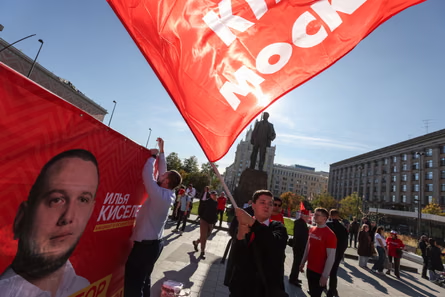
Timeline · 9 moments
Putin urges Russians to vote as a show of support
© Mikhail Metzel, Sputnik, Kremlin Pool Photo via AP ↗Analysts predict United Russia will win amid war and repression
The Conversation ↗Parliamentary elections begin across Russia and occupied Ukraine
Deutschlandfunk - Fortlaufende Nachrichten vom 24. August 2026 ↗Voting starts for all seats in the State Duma
Times of India ↗Anti-war Russians struggle to resist electoral machinery
Le Monde ↗Opposition parties critical of the war are barred from the vote
ARD Tagesschau ↗Voting continues amid tight controls and little competition
Latest news, sport and opinion from the Guardian ↗Elections held in occupied Ukrainian territories under heavy censorship
Adnkronos - ultimoratop ↗Polls open for Russia's parliamentary elections
© Pavel Bednyakov, AP ↗Update 18 Sept 2026, 9:09 am UTC
Voting has begun across Russia and in occupied areas of Ukraine, with polling stations opening for a three-day election period. The process is marked by tight government control, limited opposition, and the exclusion of anti-war candidates.
How it started
This parliamentary election is the first Russia has held since its full-scale invasion of Ukraine in 2022. The war has reshaped Russia's political and social climate, fueling patriotism but also deepening repression at home. President Vladimir Putin and his United Russia party have held power for over two decades, and the Kremlin has used previous elections to reinforce its legitimacy.
Leading up to this vote, the government intensified efforts to silence opposition, especially anti-war activists. Many opposition candidates have been disqualified or discouraged from running, and independent media faces heavy censorship. The Kremlin has presented the election as a chance for Russians to show their support for the war effort.
How it unfolded
On September 16, President Putin publicly urged Russians to vote, describing turnout as a barometer of support for military actions in Ukraine. The government made clear it views participation as an endorsement of its wartime policies.
The election officially began on September 17 and will last three days. Voting is taking place not only across Russia but also in territories occupied by Russian forces in Ukraine. These areas have seen increased censorship and reports of limited candidate choices, making the process controversial.
Throughout the campaign, anti-war groups and activists tried to resist, but their influence has been sharply curtailed by state controls. Most opposition parties critical of the war have been excluded from the ballot. International and independent observers have noted that the vote is taking place under conditions that heavily favor the ruling party.
Despite the lack of meaningful competition, some Russians are still trying to express dissatisfaction through protest votes or by staying home. The government, however, is banking on apathy and patriotism to secure high turnout and a strong result for United Russia.
Where it stands
Voting is underway and will continue through September 20. The outcome is not in doubt, with United Russia expected to retain a large majority in the State Duma. The main questions remain about the level of turnout, the extent of any reported coercion, and the participation in occupied Ukrainian territories.
The election is widely seen as a test of the Kremlin's ability to maintain control and mobilize support during wartime. Anti-war movements are marginalized, and the political system remains tightly managed.
What to watch
The key issues to watch are the official turnout numbers and any credible reports of irregularities or coercion. The results from Russian-occupied areas of Ukraine could also draw scrutiny, both domestically and internationally. After the vote, observers will look for signs of public reaction, especially among those dissatisfied with the war or the lack of genuine political competition.
More in Politics
All →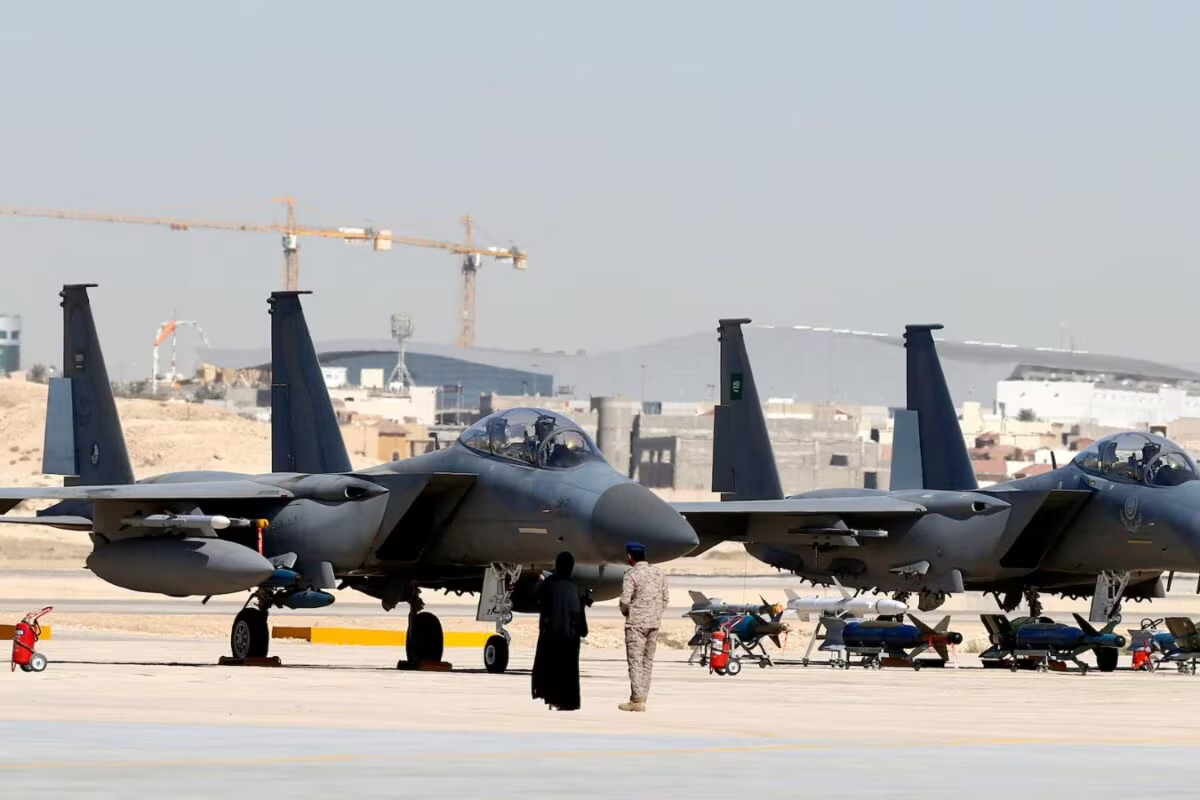
US Approves $24.3 Billion Sale of F-35 Fighter Jets to Saudi Arabia
Washington has cleared a major deal to sell 48 advanced F-35 jets to Saudi Arabia, raising strategic questions about technology security and regional stability amid ongoing tensions.
27 sources · over 2 days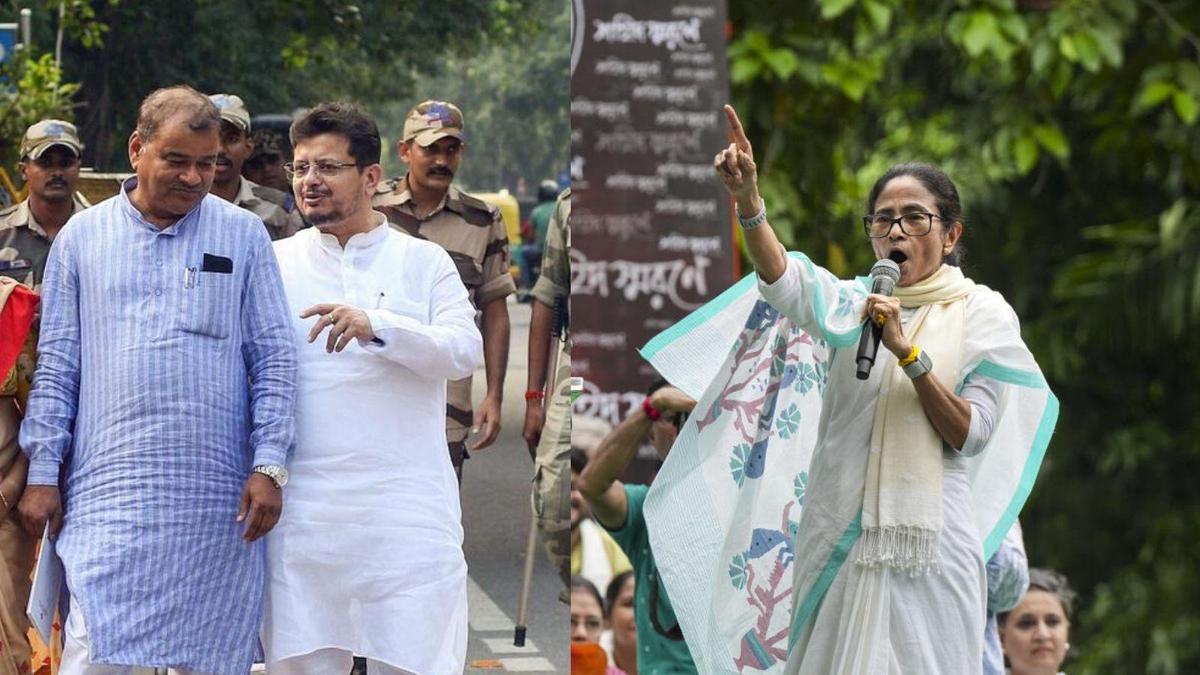
Election Commission Freezes Trinamool Congress Name and Symbol Amid Party Split
India's Election Commission has blocked both factions of the Trinamool Congress from using the party's name and symbol in upcoming West Bengal bypolls, forcing rival camps to adopt new identities.
8 sources · over 2 days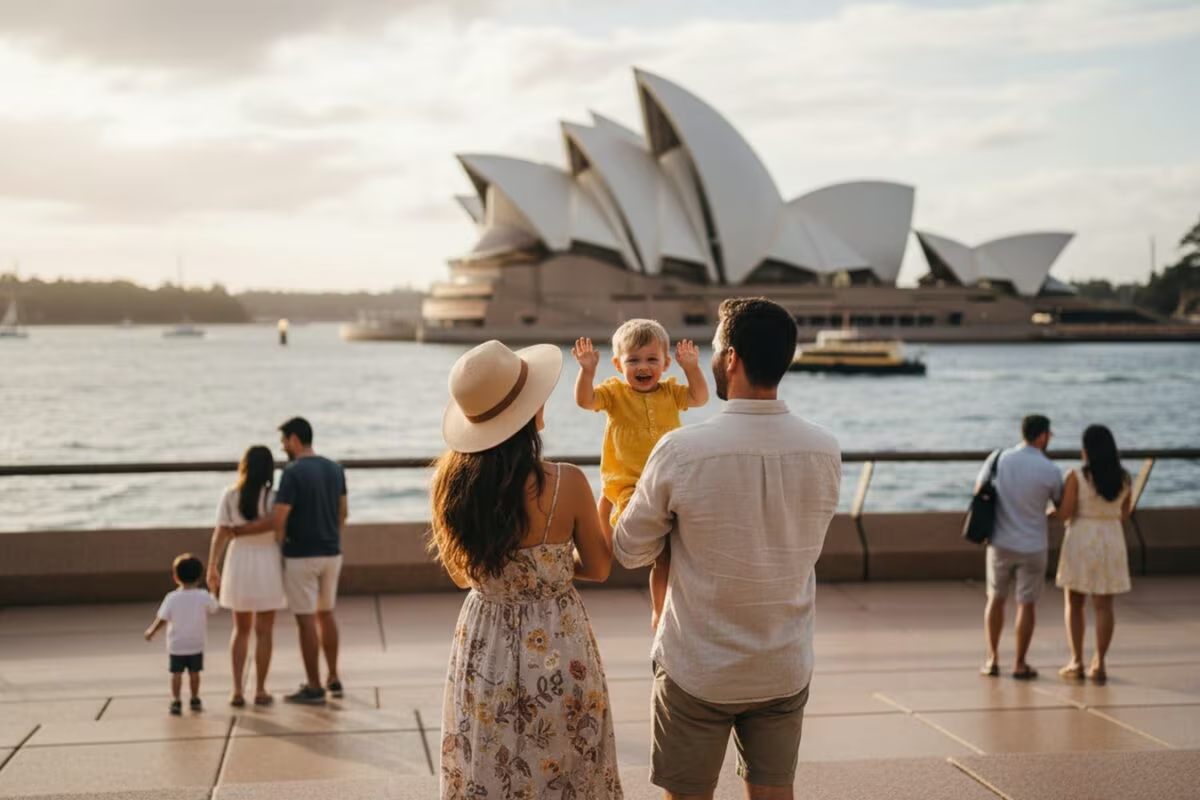
Australia Bans Student Visa Holders From Bringing Families Amid Migration Crackdown
Australia has introduced strict new migration rules targeting international students and backpackers, aiming to lower migration numbers and ease housing pressures while sparking debate over economic and social impacts.
15 sources · over 5 days