Trump Accepts Ethics Rules in Crypto Bill, But Senate Blocks Clarity Act
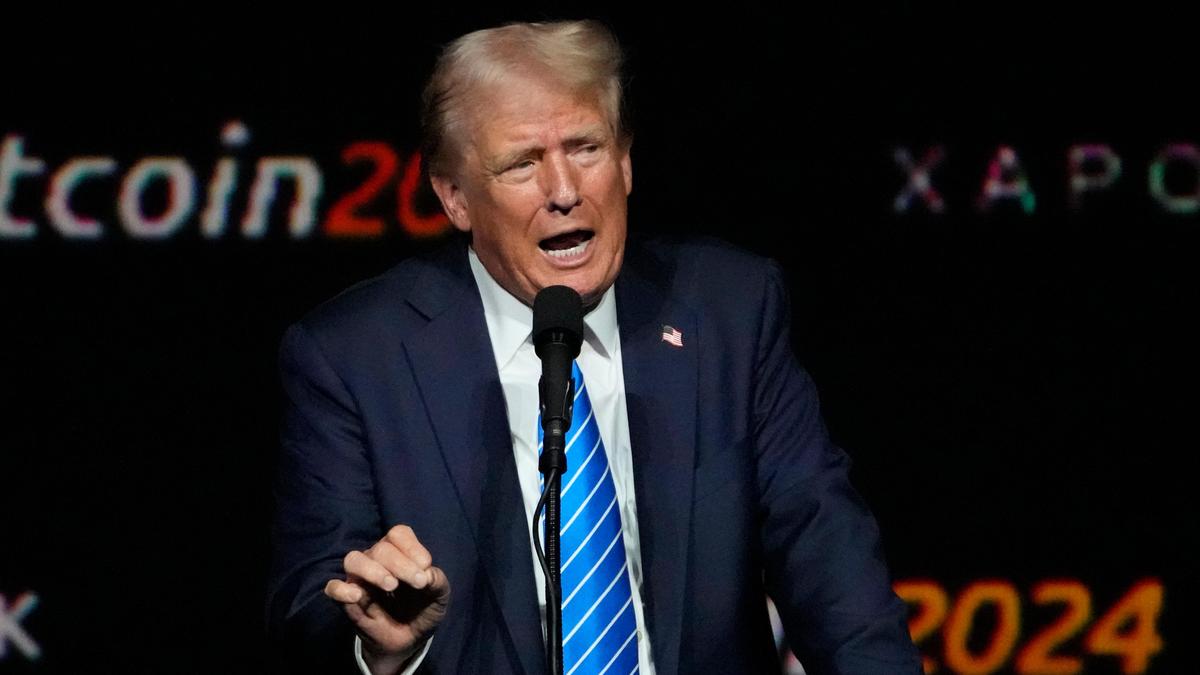
A major cryptocurrency regulation bill hit a roadblock in the Senate after President Trump agreed to strict new ethics provisions, leaving the future of US crypto policy uncertain.
By Ethan Cole · First published 15 Sept 2026
In brief
- President Trump agreed to bipartisan ethics rules in the Clarity Act, a sweeping cryptocurrency regulation bill.
- The new provisions bar public officials, including Trump and his wife, from creating or promoting certain digital tokens.
- The Senate held a procedural vote on the bill, but it failed to advance after unified Democratic opposition.
- Concerns centered on whether the ethics measures sufficiently addressed Trump's own cryptocurrency holdings and potential conflicts.
- The bill's defeat has left the crypto industry and lawmakers searching for a path forward as regulatory uncertainty continues.
Timeline · 8 moments
Trump weighs ethics compromise before crypto bill vote
Breaking News on Seeking Alpha Business & Economy ↗White House agrees to new ethics language in Clarity Act
The Hill ↗Trump agrees to bar himself and wife from issuing meme coins
The Hindu ↗Republican senators release final text of Clarity Act with ethics terms
The Defiant ↗Senate prepares for crucial vote on crypto bill
CNBC ↗Senate procedural vote on Clarity Act falls short
The Hill ↗Senate blocks crypto bill amid ethics concerns over Trump's assets
NYT Politics ↗Crypto markets react as hopes for Clarity Act fade
Breaking News on Seeking Alpha Business & Economy ↗How it started
The push for national cryptocurrency regulation in the US had been gaining momentum, driven by industry growth and a series of scandals. Lawmakers from both parties worked on the Clarity Act, aiming to bring clear rules to digital assets and markets. However, ethics became a sticking point, particularly over whether public officials could benefit from crypto activities. With the Senate preparing for a crucial vote, President Trump faced pressure to accept tougher ethics provisions to secure enough support.
How it unfolded
On September 13, reports emerged that Trump was considering an ethics compromise to help the crypto bill clear the Senate. The next day, the White House confirmed agreement to new bipartisan ethics language, which specifically barred public officials from issuing or sponsoring certain digital tokens. According to multiple sources, this included a ban on Trump and his wife launching meme coins, a move aimed at addressing concerns about personal enrichment.
Republican senators announced the updated bill text and scheduled a procedural vote for September 15. The crypto industry and investors watched closely, hoping for a breakthrough after months of negotiations. Despite the changes, opposition remained sharp among Senate Democrats, who questioned whether the new ethics rules went far enough to address Trump's own crypto holdings.
When the Senate finally voted, the bill fell short of the 60 votes needed to advance. All Democrats and a handful of Republicans voted against moving forward, citing unresolved concerns over ethics loopholes and presidential conflicts of interest.
Where it stands
The Clarity Act is now stalled after failing a key procedural vote in the Senate. The setback has left the crypto industry disappointed and regulatory uncertainty unresolved. Lawmakers on both sides are calling for renewed bipartisan negotiations, but there is no clear path forward yet. The debate over ethics, transparency, and the role of public officials in digital assets remains front and center.
What to watch
With the bill blocked, attention will turn to whether lawmakers can find a new compromise that addresses ethics concerns to the satisfaction of both parties. The crypto industry will be watching closely for any signs of revived talks or alternative proposals as the regulatory debate continues.
More in Politics
All →
US Iran War Costs Reach $38 Billion as Inflation Rises
The Congressional Budget Office says the Iran war has cost the US $38 billion so far and is driving inflation higher.
39 sources · over 2 days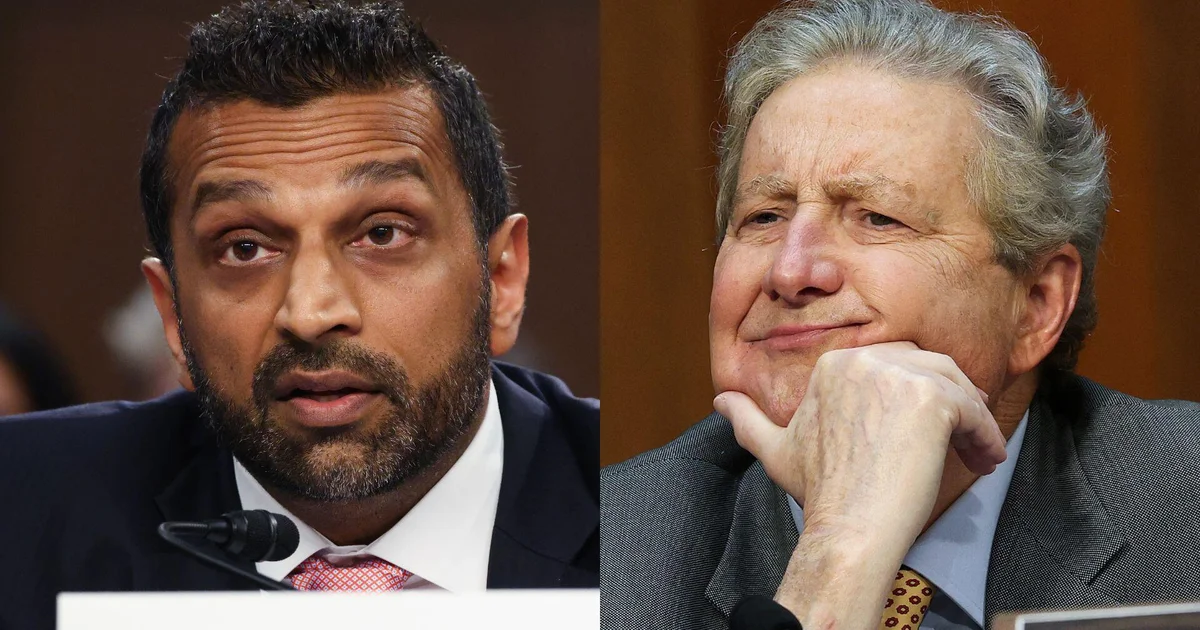
FBI Director Kash Patel Faces Senate Judiciary Committee Amid Policy Controversy
FBI Director Kash Patel's first Senate testimony since May focused on agency leadership and contentious changes to FBI hiring policies, drawing intense questions from both parties.
16 sources · over 2 days
Steve Bannon and Bernie Sanders Join Forces at Washington AI Safety Conference
A rare bipartisan alliance between Steve Bannon and Bernie Sanders is urging Congress to regulate artificial intelligence, as concerns about AI's risks grow louder ahead of the US midterm elections.
15 sources · over 2 days