Trump Advances Triumphal Arch Project Near Arlington Amid Historic Site Concerns
President Trump's push for a massive triumphal arch near Arlington National Cemetery faces criticism over its impact on historic sites and new claims about military uses.
By Ravi Menon · First published 20 Sept 2026 · Chapter 1 of 2
In brief
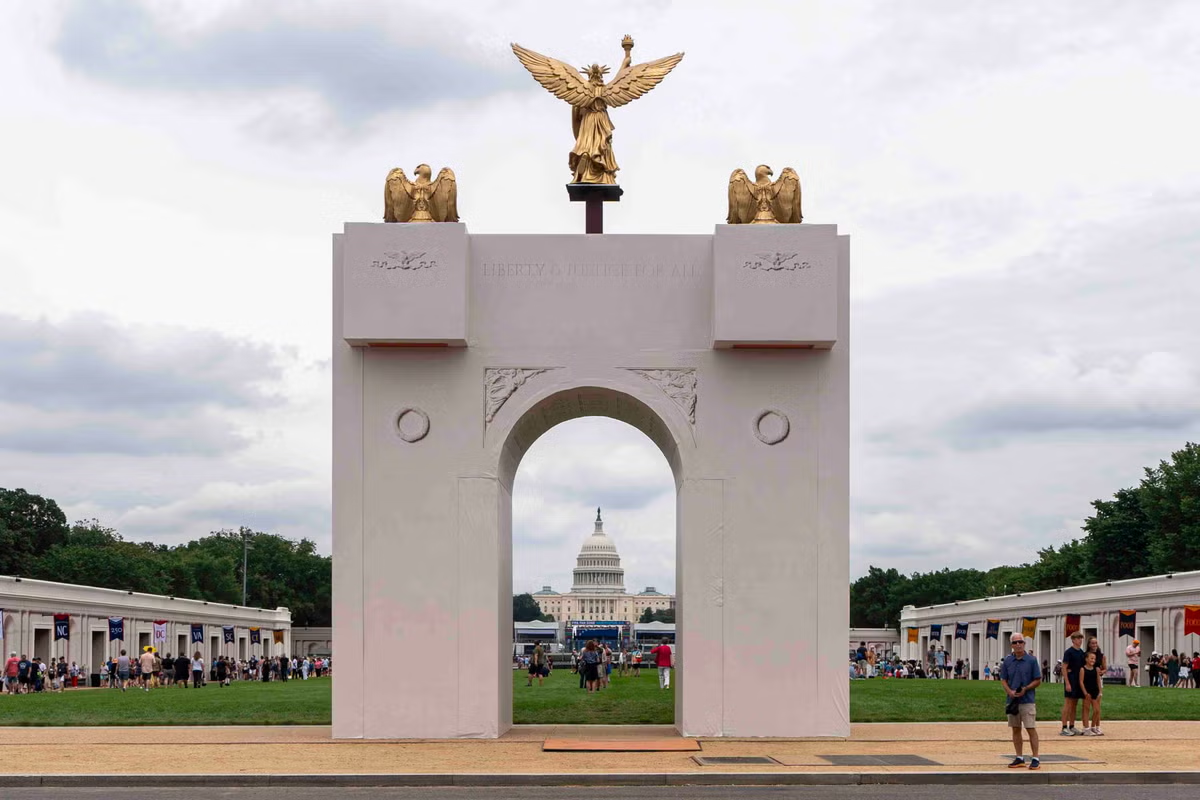
- President Trump is moving ahead with plans for a 250-foot triumphal arch near Arlington National Cemetery in Washington, D.C.
- The National Park Service and administration officials have admitted the project may have adverse effects on nearby historic sites and views.
- The Federal Aviation Administration approved the project after requiring an adjustment for flight safety due to its proximity to Reagan Airport.
- Trump has recently said the arch will also serve as a military complex, housing snipers, drones, and ammunition storage.
- Critics, including veterans groups, are pushing for alternative designs, but the administration insists Congressional approval is not required.
Timeline · 5 moments
Trump announces September construction start for triumphal arch
The Daily Beast Latest Articles ↗National Park Service admits adverse effects on historic sites
The Independent ↗Administration acknowledges arch could obstruct river views
ABCNews.com ↗FAA approves arch project with safety-related adjustment
The Independent ↗Trump says arch will serve as military complex
The Independent ↗How it started
President Trump has long promoted the idea of building a monumental triumphal arch in the Washington, D.C. area, specifically near Arlington National Cemetery. The proposed structure would stand 250 feet tall and has been pitched as a new landmark for the capital.
The project immediately drew scrutiny from preservationists, veterans groups, and local officials. Their main concerns centered on the potential impact the arch could have on historic sites, the surrounding landscape, and the character of the capital's monuments.
Despite early opposition, the Trump administration argued that the project was both necessary and within executive authority, stating that Congressional approval was not required to proceed.
How it unfolded
On September 1, 2026, President Trump announced that work on the triumphal arch would begin, pushing forward without consulting Congress or the public, according to The Daily Beast.
By mid-September, the National Park Service released a planning document acknowledging that the arch would likely have adverse effects on nearby historic properties, but said the construction should still move ahead. The administration further admitted the arch could obstruct key views along the river, impacts they said "cannot be fully avoided," according to ABC News.
Veterans groups and preservationists continued to oppose the plan, calling for alternatives such as a design with slender columns rather than a massive arch. The National Park Service suggested measures to mitigate the impact but did not recommend halting the project, as reported by The Independent.
On September 18, the Federal Aviation Administration gave its approval, but only after requiring a change to address flight safety concerns. The arch's planned location is just 3,000 feet from Reagan National Airport, directly in the path of the airport's primary approach and departure corridor, which prompted the adjustment.
By September 20, President Trump publicly reframed the project, saying the arch would be a "top grade military complex" capable of hosting snipers and drones and storing ammunition. This new military angle was confirmed in statements and social media posts, and reported by several outlets.
Where it stands
The triumphal arch project has cleared its primary regulatory hurdle with FAA approval, following a modification for air safety. The administration is pushing forward, maintaining that no further Congressional action is needed.
Despite this, public opposition remains strong, especially from veterans groups and preservation advocates. Critics continue to voice concerns about the arch's impact on the capital's historic sites and the new announcement of military uses has added another layer of controversy.
The Trump administration has not indicated any intention to change course or reconsider alternative designs. The next steps will likely involve detailed construction planning and potential legal challenges from opponents.
What to watch
Key questions remain about whether opponents will file lawsuits or seek Congressional intervention to halt or alter the project. The shift to a military use for the arch could also spark new debates about the site's purpose and security implications.
Further design and construction details, as well as any mitigation measures for historic sites, will be closely watched in the coming months.
More in Politics
All →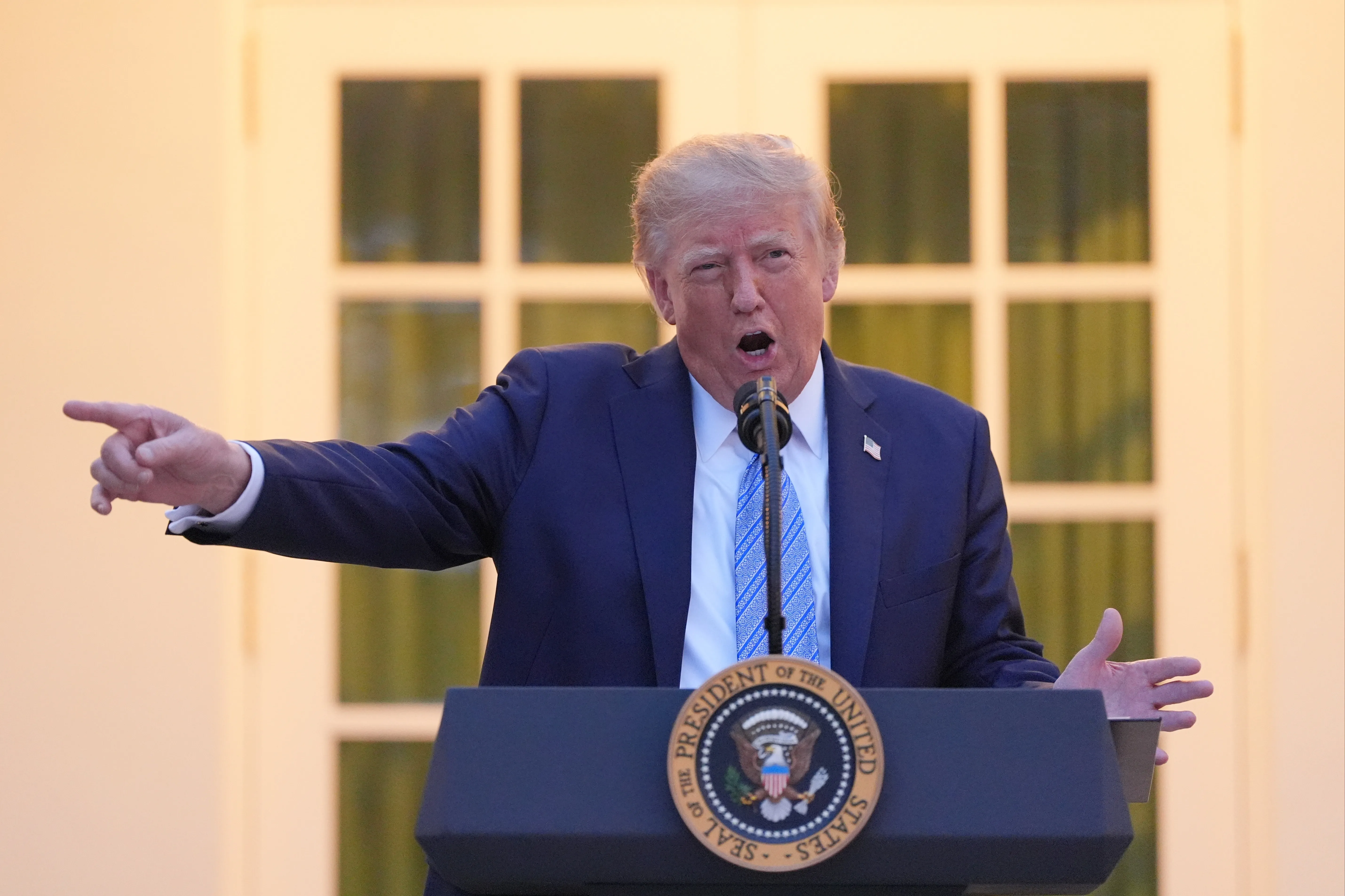
Trump Bans CNN, MS NOW, and Politico From White House Press Events
President Trump has barred three major news outlets from the White House, escalating his administration's ongoing conflict with critical media coverage and raising questions about press freedom.
65 sources · over 3 days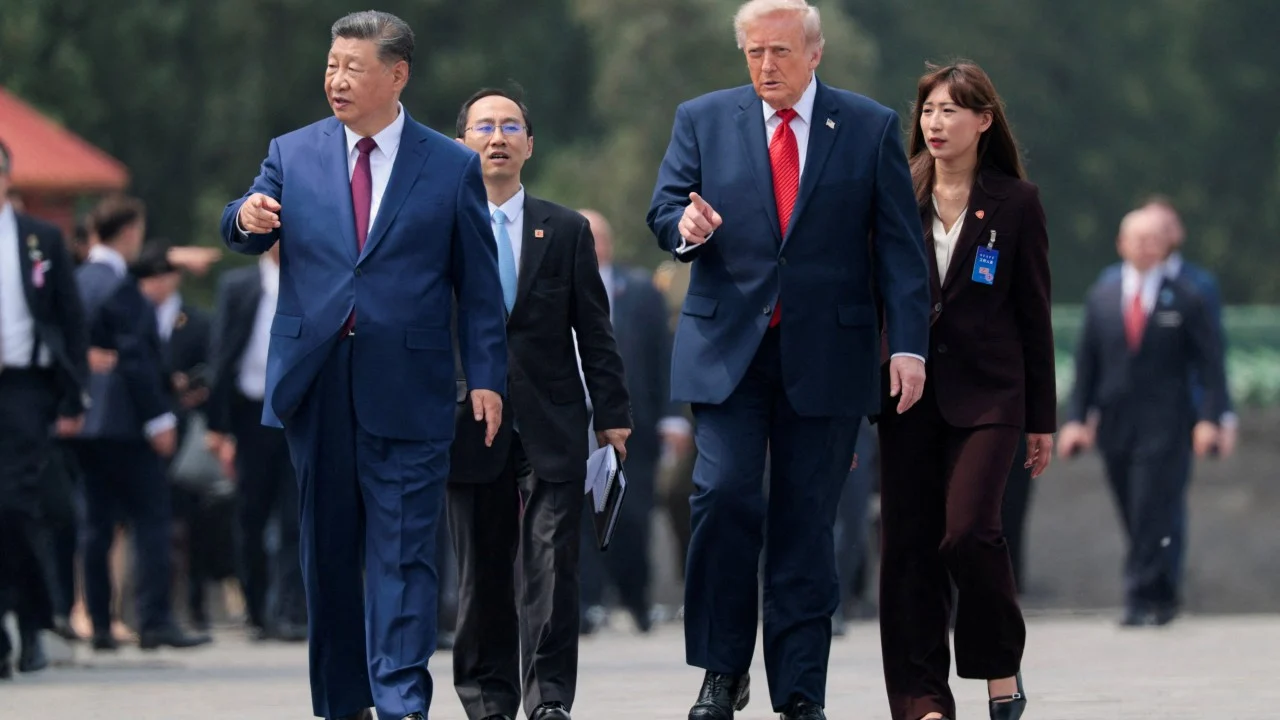
Trump Prepares Grand Welcome for Xi Jinping's First US State Visit in 11 Years
Xi Jinping's visit to Washington marks a major diplomatic moment, with President Trump shifting tone and top tech leaders set to attend a high-profile state dinner.
37 sources · over 6 days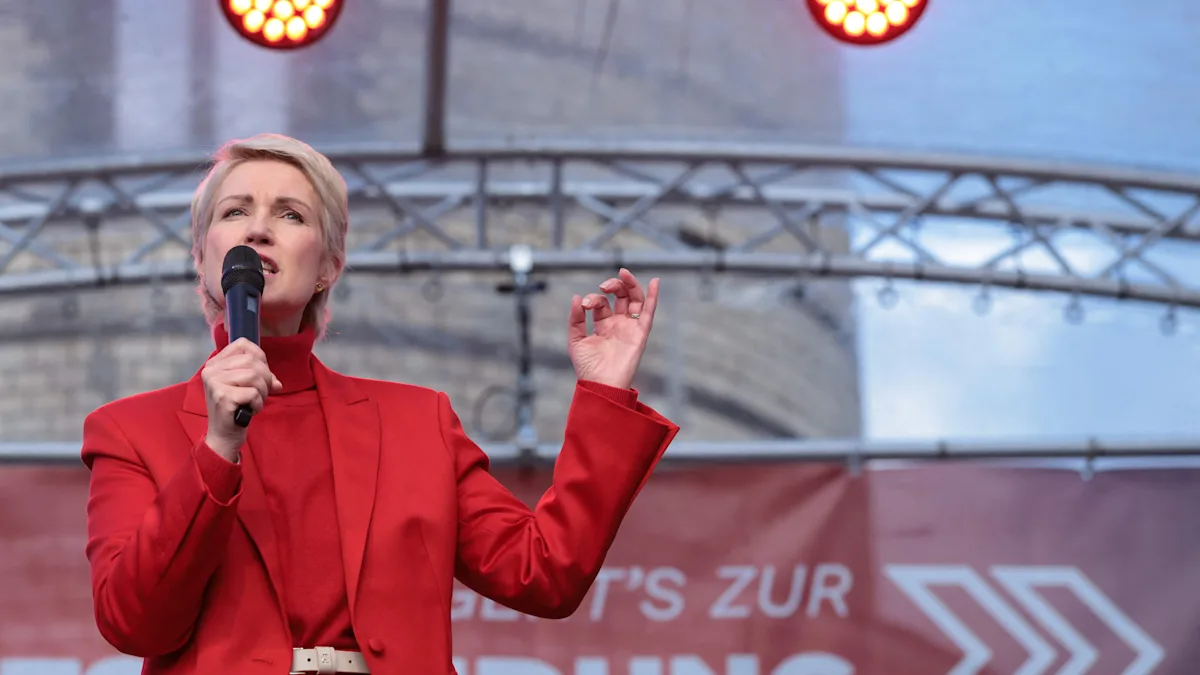
Merz Vows to Stay After CDU Routed by AfD and Left in State Votes
Chancellor Merz calls CDU's election results a disaster but pledges to continue, as AfD and Left dominate state polls.
51 sources · over 9 days