Berlin and Mecklenburg-Vorpommern Vote in Pivotal State Elections Amid Tensions
Voters in Berlin and Mecklenburg-Vorpommern are deciding new state governments in elections marked by violence against campaigners and high stakes for Chancellor Merz and the AfD.
By Elena Petrova · First published 20 Sept 2026 · Chapter 2 of 2
Earlier: Berlin and Mecklenburg-Vorpommern Elections Marked by Violence and Tight Races
In brief
- State elections are underway in Berlin and Mecklenburg-Vorpommern, where political tensions and attacks on campaigners have been reported.
- The far-right AfD is seeking further gains after recent electoral successes, but faces widespread reluctance from other parties to form coalitions.
- In Berlin, polling shows a close race between the Left party and the CDU, with the SPD trailing behind.
- Mecklenburg-Vorpommern's contest is tight, with the SPD and AfD separated by a single percentage point in late polls.
- The results will affect not only state governance but also the political future of Chancellor Friedrich Merz and his CDU party.
Timeline · 8 moments
AfD and CDU campaigners attacked at Berlin election stands
DIE ZEIT | Nachrichten, News, Hintergründe und Debatten ↗Hundreds of election-related crimes reported in Berlin campaign
Deutschlandfunk - Fortlaufende Nachrichten vom 24. August 2026 ↗SPD and AfD nearly tied in Mecklenburg-Vorpommern polls
DIE WELT ↗SPD narrowly ahead of AfD in Mecklenburg-Vorpommern, Left leads in Berlin
DIE WELT ↗Berlin campaign saw last-minute candidate switch and terror attack
ARD Tagesschau ↗Four parties close together in Berlin polls on eve of vote
ARD Tagesschau ↗Voting begins in Berlin and Mecklenburg-Vorpommern state elections
Al Jazeera ↗Elections seen as critical for Chancellor Merz and CDU
BBC News ↗How it started
The lead-up to the 2026 state elections in Berlin and Mecklenburg-Vorpommern was marked by unusual tension. The far-right AfD had recently achieved a historic victory in Saxony-Anhalt, raising the stakes for these new contests.
Political campaigning was especially heated, with hundreds of reported crimes against party activists, mainly targeting the AfD, but also involving attacks on CDU campaigners. Both states prepared for contentious races, with the outcomes expected to influence the national mood and the fate of Chancellor Friedrich Merz.
How it unfolded
In early September, reports surfaced of physical and verbal attacks on AfD and CDU campaigners at multiple election stands in Berlin. Police and state security began investigations into these incidents, reflecting the heightened atmosphere.
By mid-September, research revealed that hundreds of election-related offenses had occurred in Berlin since August, most directed at the AfD. The campaign period also saw dramatic events in Berlin, including a last-minute candidate change, a terror attack, and corruption investigations.
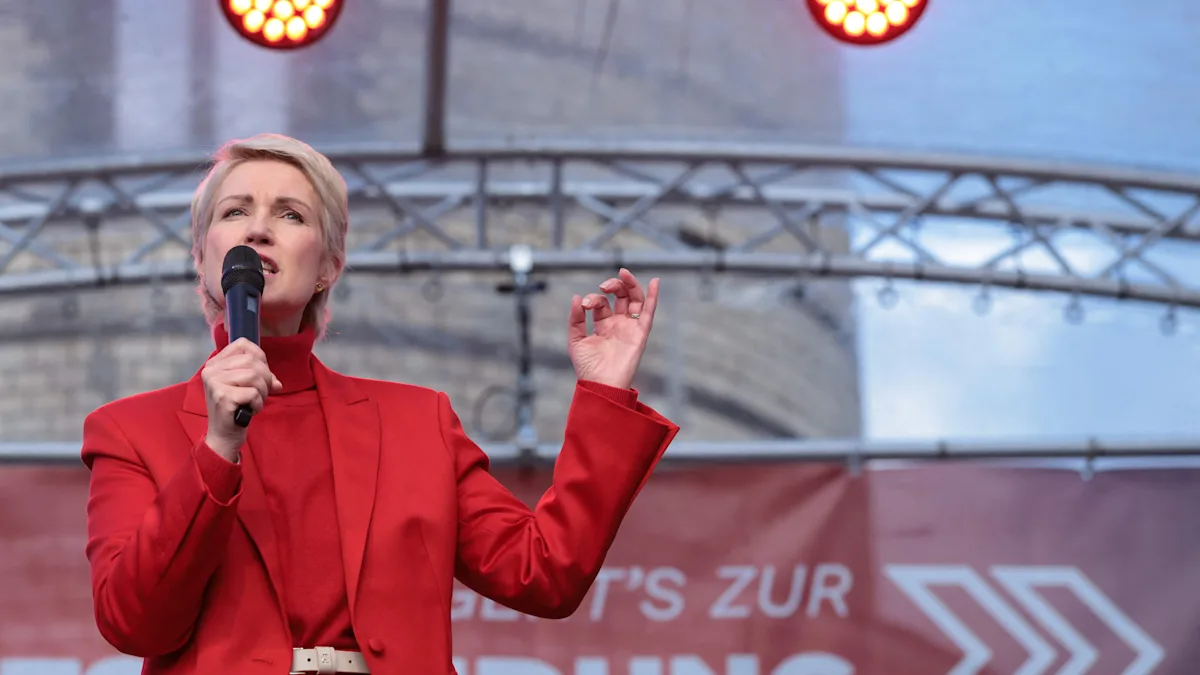
In Mecklenburg-Vorpommern, the SPD and AfD ran neck-and-neck, while the SPD's Manuela Schwesig framed the campaign as a direct contest with the AfD. Final polls showed the SPD with a narrow lead, but the race was still considered open.
As election day approached, both Berlin and Mecklenburg-Vorpommern faced close contests. In Berlin, the Left party and CDU were almost tied, with the AfD and Greens close behind. The SPD was struggling, risking significant losses.
Polling stations opened on September 20, with about 3.8 million eligible voters across both states. The elections were widely described as a crucial test for Chancellor Merz, whose CDU faced the possibility of historic defeats.
Where it stands
Voting is currently underway in both Berlin and Mecklenburg-Vorpommern. The atmosphere remains tense, with a high degree of uncertainty about the outcomes in both states.
The results are expected to shape not only local governments but also the future of the federal government and the standing of major parties, especially the CDU and AfD. With coalition options limited for the AfD, forming stable governments may prove complicated, depending on the final tallies.
What to watch
Attention now turns to the vote counts and possible coalition talks, especially in Berlin where no single party is expected to win a clear majority. The political future of Chancellor Merz and the CDU will depend heavily on the results and their ability to retain influence in these key regions.
More in Politics
All →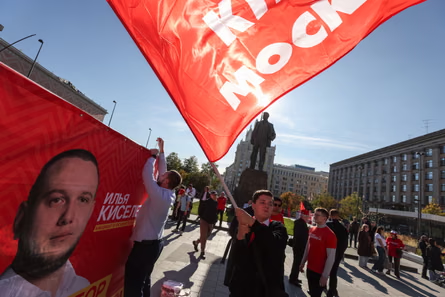
Russia Holds Parliamentary Elections Amid Ukraine War and Tightened Controls
Russians are voting in their first parliamentary election since the Ukraine invasion, as the Kremlin seeks a show of support and opposition voices face heavy restrictions.
32 sources · over 4 days
Trump and Xi to Tackle AI Risks and Rivalry at Washington Summit
US President Donald Trump and Chinese President Xi Jinping are set to meet in Washington, where artificial intelligence concerns and competition will feature prominently alongside a high-profile state dinner with top tech leaders.
46 sources · over 5 days
General Carsten Breuer Named Chair of NATO Military Committee in Key Leadership Shift
General Carsten Breuer, Germany's top military officer, has been appointed as the next chair of NATO's Military Committee, marking a significant change in the alliance's military leadership.
8 sources · today