US Grants Visas for Iranian Leaders to Attend UN General Assembly in New York
Despite ongoing war and tense relations, the US has approved a smaller Iranian delegation, including top officials, to participate in next week's high-level United Nations meetings.
By Grace Whitfield · First published 17 Sept 2026
In brief
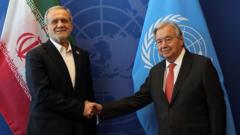
- The US has approved visas for Iranian President Masoud Pezeshkian and Foreign Minister Abbas Araghchi to join the UN General Assembly.
- The Iranian delegation will be smaller than in previous years and will face movement restrictions within New York.
- The visas were granted despite ongoing war and tensions between the US and Iran.
- Official meetings at the United Nations in New York are set to begin next week with Iran's participation confirmed.
- US officials have reiterated that all travel and purchasing restrictions will apply to the Iranian delegation during their visit.
Timeline · 5 moments
US confirms visas for Iranian leaders to attend UN Assembly
Arab News ↗Iranian President and Foreign Minister named as part of delegation
BBC World ↗Delegation size smaller than previous years with travel restrictions
The Hindu ↗US bars purchase of luxury goods by Iranian delegates
Top World News- News18.com ↗Iranian president's attendance at General Assembly confirmed
NDTV Top Stories ↗Update 18 Sept 2026, 3:59 am UTC
Recent coverage confirms that the Trump administration has granted visas for Iranian President Masoud Pezeshkian and Foreign Minister Abbas Araghchi to attend the UN General Assembly next week. The delegation will be subject to travel restrictions while in New York.
How it started
Each September, world leaders gather in New York for the United Nations General Assembly. The US, as host country, is required to grant entry to foreign delegations attending these meetings, but it sometimes delays or restricts visas for political reasons.
This year, tensions between the US and Iran have been especially high due to a war that has lasted over six months. Previous years saw disputes over which Iranian officials could attend, reflecting the broader diplomatic rifts.
How it unfolded
On September 17, a US State Department spokesman confirmed that the US would allow a delegation from Iran to attend the UN General Assembly in New York. The announcement included confirmation that visas had been approved for key figures such as President Masoud Pezeshkian and Foreign Minister Abbas Araghchi.
Sources clarified that the Iranian group would be smaller than in previous years. Officials also highlighted that the delegation would face strict travel limitations, restricting their movement to the immediate area around the UN and their accommodations. They are also barred from buying luxury goods and certain other items while in the US.
This move is notable given the ongoing conflict involving Iran, which has shaped diplomatic interactions for months. Some observers noted that the US decision contrasts with its denial of a visa to Palestinian Authority President Mahmoud Abbas for the same event.
Despite the broader geopolitical tensions, the decision to allow Iranian participation was expected by some, as denying entry could have drawn international criticism and complicated UN processes.
Where it stands
The Iranian delegation's participation at the UN General Assembly is now confirmed, with preparations for their arrival underway. The US has reiterated that travel and purchasing restrictions will be enforced throughout their stay.
The meetings are set to begin next week, and Iranian officials will join other world leaders in high-level discussions, despite the ongoing war and strained relations.
What to watch
Attention will turn to the speeches and diplomatic interactions involving the Iranian delegation during the General Assembly. Observers will be looking for any signs of diplomatic shifts or new statements on the ongoing conflict and US-Iran relations.
More in Politics
All →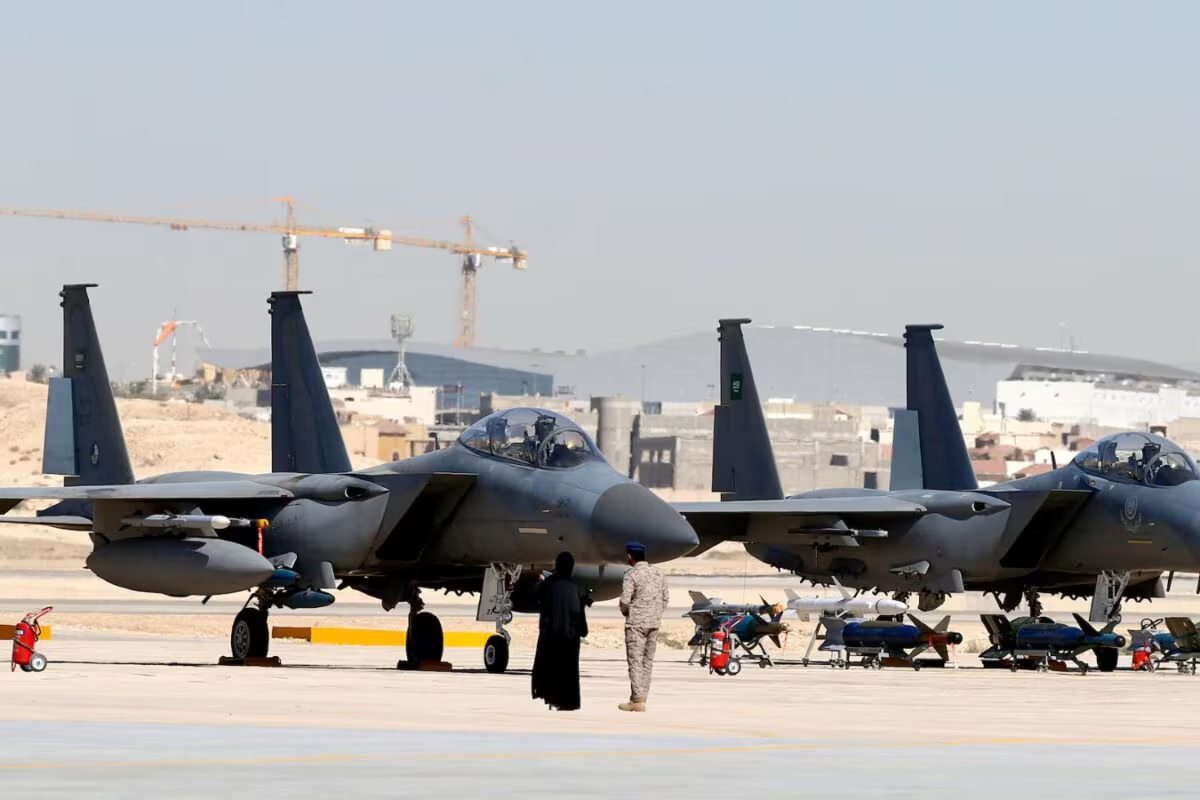
US Approves $24.3 Billion Sale of F-35 Fighter Jets to Saudi Arabia
Washington has cleared a major deal to sell 48 advanced F-35 jets to Saudi Arabia, raising strategic questions about technology security and regional stability amid ongoing tensions.
27 sources · over 2 days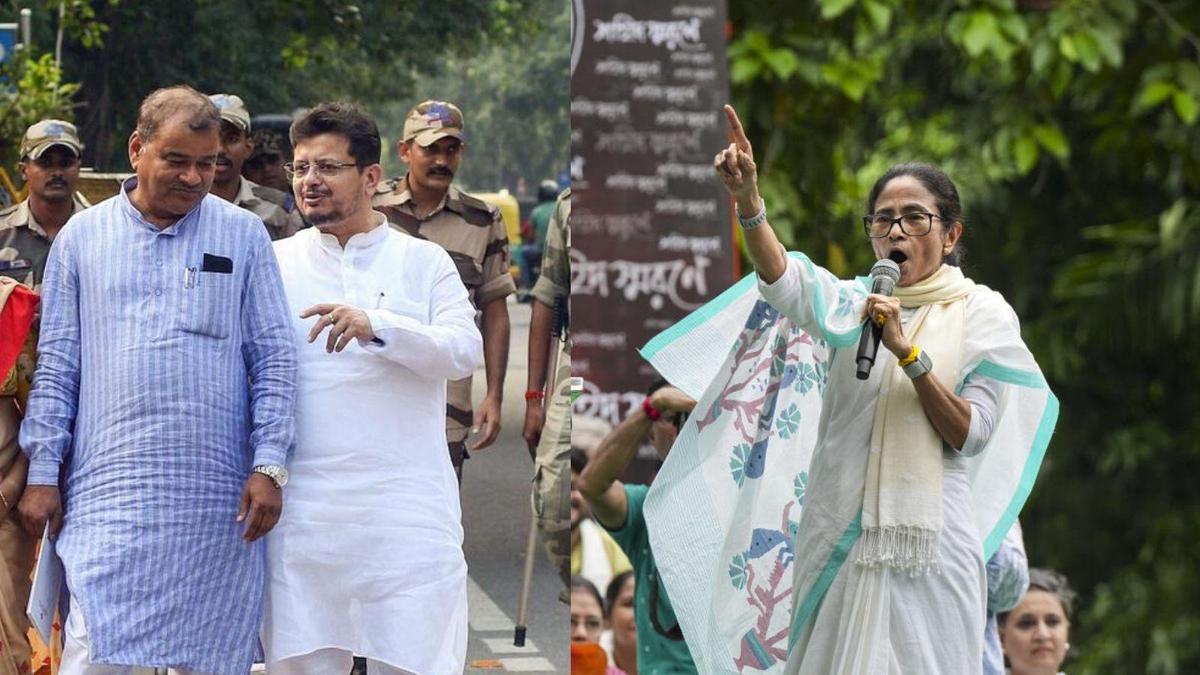
Election Commission Freezes Trinamool Congress Name and Symbol Amid Party Split
India's Election Commission has blocked both factions of the Trinamool Congress from using the party's name and symbol in upcoming West Bengal bypolls, forcing rival camps to adopt new identities.
8 sources · over 2 days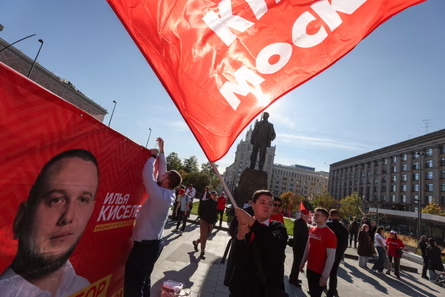
Russia Holds Parliamentary Elections Amid Ukraine War and Tightened Controls
Russians are voting in their first parliamentary election since the Ukraine invasion, as the Kremlin seeks a show of support and opposition voices face heavy restrictions.
18 sources · over 2 days