US-Iran Tensions Erupt After Deadly Strike on Iranian Wedding and Retaliation
A US airstrike on a wedding in Iran has triggered escalating military exchanges, threatening vital shipping lanes and raising fears of wider regional conflict as both sides issue new threats.
By Nadia Hussain · First published 8 Sept 2026 · Chapter 3 of 3
Earlier: US Strikes Three Iranian Oil Tankers After Navy Warships Targeted
In brief
- A US airstrike targeted a wedding ceremony in Iran, resulting in significant civilian casualties and widespread outrage.
- Iran's Revolutionary Guard responded by attacking US military bases in Kuwait, Jordan, and Iraq, claiming American casualties.
- Both nations have since conducted strikes against each other's ships and oil infrastructure in and near the Strait of Hormuz.
- Iran is moving to establish a restricted zone around the Strait of Hormuz, vowing to sanction or target any vessel entering it.
- Global oil prices have surged and shipping traffic has plummeted as military activity and threats continue to escalate.
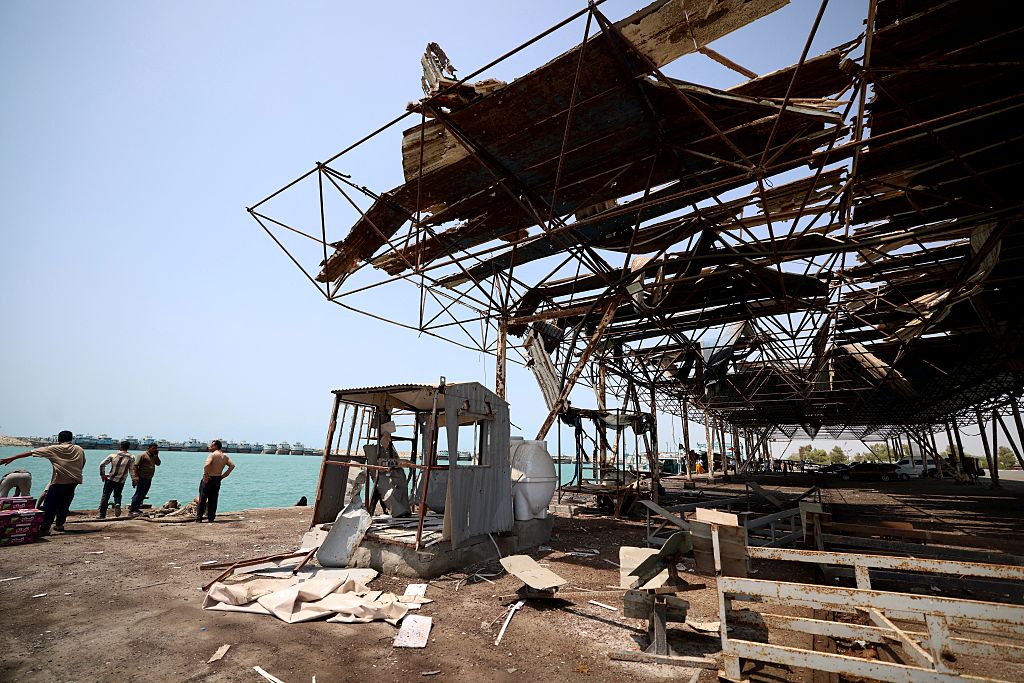
Timeline · 8 moments
US airstrike hits wedding in Iran, killing civilians
TIME.com ↗Iran announces plan for exclusion zone near Strait of Hormuz
Times of India ↗Iran attacks US bases in Kuwait, Jordan, and Iraq
ABCNews.com ↗US and Iran exchange attacks on ships in Strait of Hormuz
ARD Tagesschau ↗Oil prices surge as conflict escalates
World News CNA ↗Iran claims destruction of US drone and seizure of unmanned sub
Middle East Eye ↗US missile reportedly strikes Iranian tanker near Kharg Island
Arab News ↗Iran doubles gasoline prices for heavy users amid shortages
NDTV Top Stories ↗How it started
The latest round of hostilities began when the United States launched an airstrike on a wedding ceremony in Iran. The attack resulted in numerous civilian deaths and quickly became a flashpoint in the already tense relationship between the two countries. Iranian officials and media condemned the strike, framing it as an act of aggression and vowing to respond.
Public outrage in Iran grew rapidly, and calls for retaliation intensified. The US, meanwhile, signaled it wanted to avoid a wider war, but President Trump made provocative statements, including suggesting the Strait of Hormuz be renamed after himself, further inflaming tensions.
How it unfolded
Following the wedding strike, Iran's Islamic Revolutionary Guard Corps (IRGC) launched attacks against US military bases in Kuwait, Jordan, and Iraq, stating that they had inflicted casualties among US personnel. The US responded with additional military operations, targeting Iranian assets and infrastructure, including oil tankers and storage facilities.
By early September 2026, both sides had exchanged attacks on ships transiting the Strait of Hormuz, a critical waterway for global oil shipments. The IRGC also claimed to have destroyed a US drone and seized a US unmanned underwater vehicle in the area, although US officials downplayed the significance of these incidents.
Amid growing hostilities, Iran announced plans to establish a restricted or exclusion zone near the Strait of Hormuz. Iranian officials warned that any vessel entering this zone without permission would face sanctions or military action. The US, for its part, reportedly redirected dozens of commercial vessels and maintained a blockade of Iranian ports, further escalating the situation.
Oil prices spiked in reaction to the conflict, and shipping activity through the Strait of Hormuz dropped to its lowest level in months. Diplomatic efforts have so far failed to deescalate the crisis.
Where it stands
As of now, the US and Iran remain locked in a cycle of military escalation, with both sides issuing new threats and warnings. Iran's move to declare a restricted zone in the Strait of Hormuz has raised alarms about the safety of international shipping and the risk of a broader conflict.
The economic impact is already being felt, with oil prices rising and Iran increasing domestic fuel prices to address shortages. The situation remains volatile, with no clear path to de-escalation.
What to watch
The world is watching to see whether Iran will enforce its planned restricted zone and how the US and its allies will respond if commercial vessels are targeted. The possibility of further military exchanges or a diplomatic breakthrough remains uncertain. Any miscalculation could disrupt global energy supplies and draw more countries into the conflict.
More in Politics
All →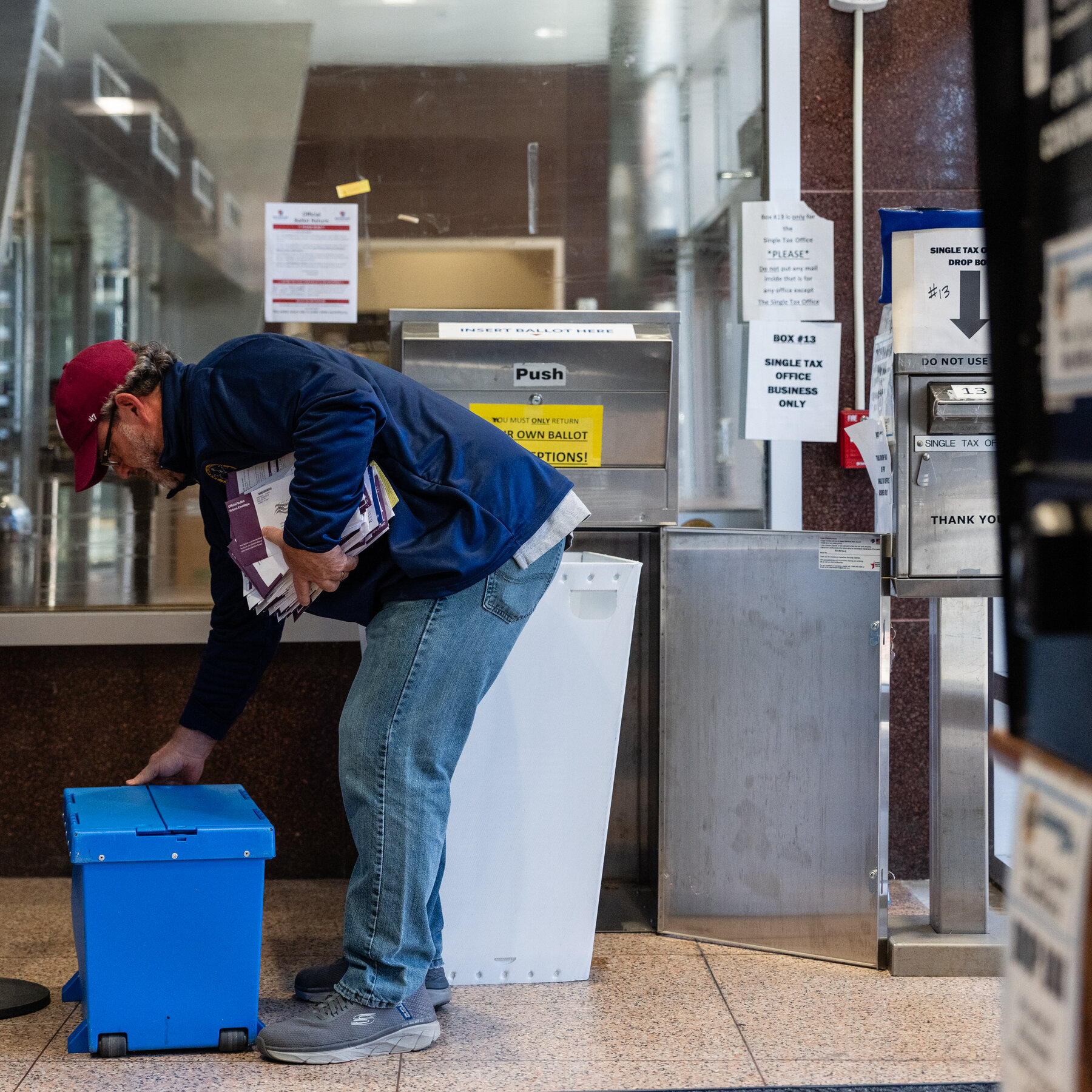
Trump Administration Appeals Supreme Court to Reinstate Mail-In Voting Restrictions
With midterm ballots already being sent out, the Trump administration is urgently seeking Supreme Court approval to enforce new mail-in voting rules that lower courts blocked over fears of voter disenfranchisement.
28 sources · over 6 days
Supreme Court Rejects Missouri GOP Map for November Elections
The U.S. Supreme Court denied Missouri Republicans' appeal, ensuring the old district boundaries stay for the 2026 election.
12 sources · over 6 days
UK, France, Canada Ban Trade With Israeli Settlements; Israel Retaliates
Britain, France, and Canada have imposed trade bans on goods from Israeli West Bank settlements, prompting Israeli diplomatic retaliation.
38 sources · over 3 days