
Iran reviews US counter-proposal as it sets conditions for reopening Hormuz
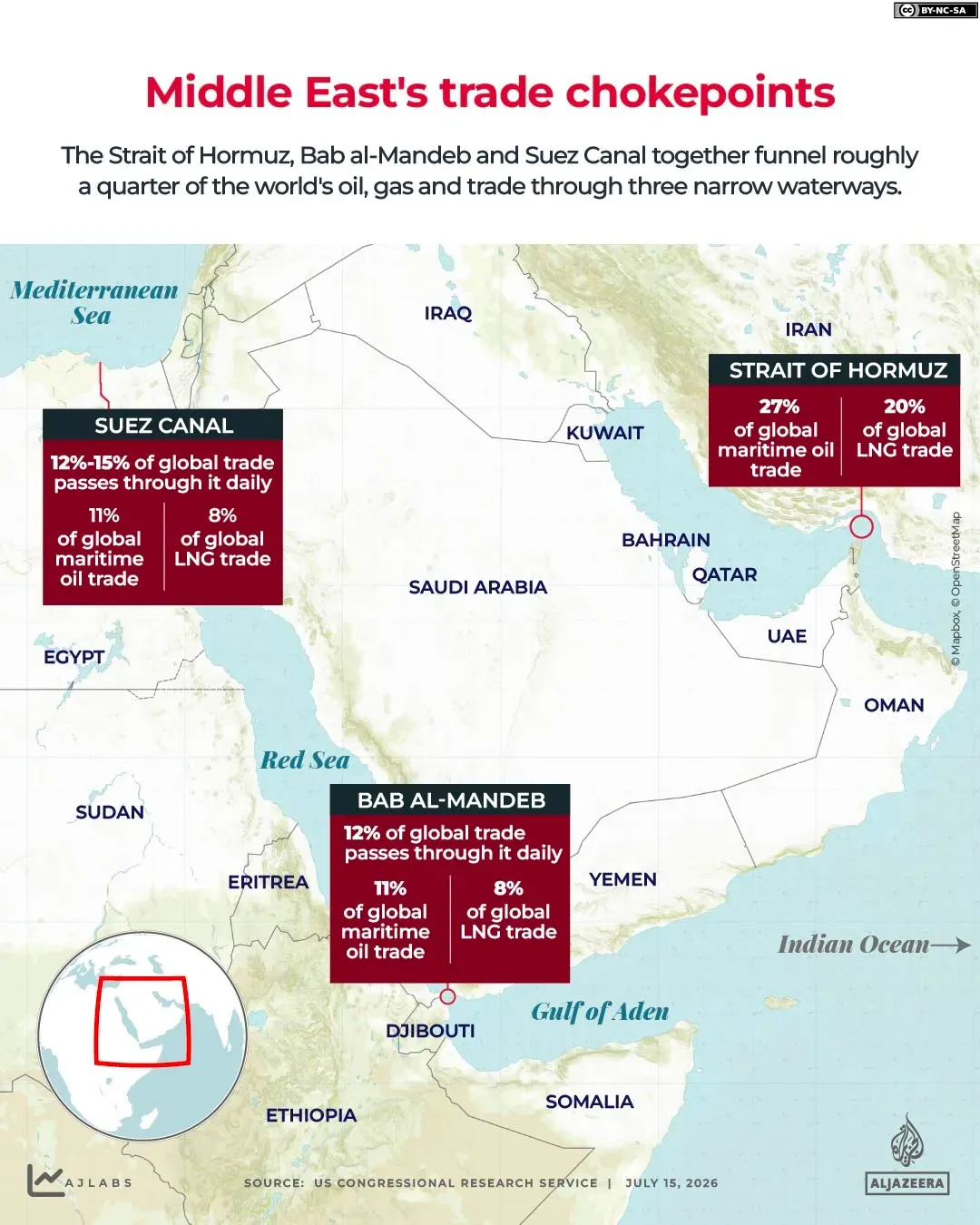
Iran is preparing further points on a US counter-proposal, while attacks on tankers and recovering Gulf oil exports complicate its insistence that Hormuz remains closed.
By Hushread Stories, written with AI from 11 outlets · First published 5 Oct 2026
In brief
- Iran says it has received an official US response to its latest proposal for ending the war.
- Iran will submit additional points after assessing the US counter-proposal to its plan for reopening Hormuz.
- Tehran says the Strait of Hormuz will remain closed until the United States meets its conditions.
- Iranian authorities say three Emirati tankers struck in recent days were on a maritime noncompliance list.
- Gulf crude exports recovered to prewar levels in September, with producers increasingly using routes that bypass Hormuz.
Timeline · 6 moments
Foreign minister offers conditional seven-day Hormuz reopening window
Euronews ↗Gulf exports recover as producers increasingly bypass Hormuz
Deutsche Welle ↗Iran prepares additional points on US counter-proposal
Tehran Times ↗Iran ties Hormuz reopening to US meeting conditions
Al Jazeera ↗Iranian authority says struck tankers breached Hormuz rules
Mehr News (English) ↗Iran acknowledges official US response to war proposal
AP News ↗How it started
The latest exchange began with an Iranian offer to end the war. On October 1, AP News reported that Iran indicated it had received an official US response to that offer.
Iranian President Masoud Pezeshkian said an agreement must be based on a win-win strategy, according to Business Line. The available coverage does not set out the full terms of either side's proposal.
How it unfolded
On October 2, Mehr News reported that Iran's Persian Gulf Strait Authority said three Emirati tankers struck in the Strait of Hormuz in recent days had already been placed on its noncompliance list. That was the authority's account of the incidents.
On October 4, Al Jazeera reported that Iran said Hormuz would remain closed until the United States met its conditions. Tehran described reopening the strait as its main goal, while the report said Washington continued to focus on nuclear talks.
Also on October 4, Tehran Times reported that Iran would convey additional points on the US counter-proposal after completing its assessments. The report described Tehran's offer as a seven-day plan for reopening the strait.
By October 5, the economic picture was more complicated than the closure claim suggested. Deutsche Welle reported that Gulf crude exports had returned to prewar levels in September, with producers increasingly using alternative routes and ship-to-ship transfers to bypass Hormuz. Iranian exports remained below their prewar average.
On October 5, Euronews reported that Iran's military insisted it retained full control of Hormuz. The foreign minister said the strait could reopen within seven days if Tehran's conditions were met.
Where it stands
The diplomatic exchange is still under review. Iran has announced that it will provide further points, but the supplied coverage does not establish that the two sides have agreed on terms or a reopening date.
Iran's description of Hormuz as closed sits alongside reports of continuing traffic. NYT World News reported on October 4 that more oil was moving through the strait. That does not establish unrestricted passage, but it means the closure claim should not be read as proof that all oil traffic has stopped.
Recovering regional exports also do not mean Iran's own exports have recovered. Deutsche Welle reported a gap between Gulf producers' overall recovery and Iranian shipments, which remained below their prewar average.
What to watch
The next announced diplomatic step is Iran's delivery of additional points on the US counter-proposal. The full conditions, Washington's response to those points and any agreed timetable for reopening remain unresolved in the supplied coverage.
The other test is passage through Hormuz itself. Iran's foreign minister has offered a conditional seven-day reopening window, according to Euronews, while reports of tanker strikes and continued oil movements leave the practical rules for shipping uncertain.
More in World
All →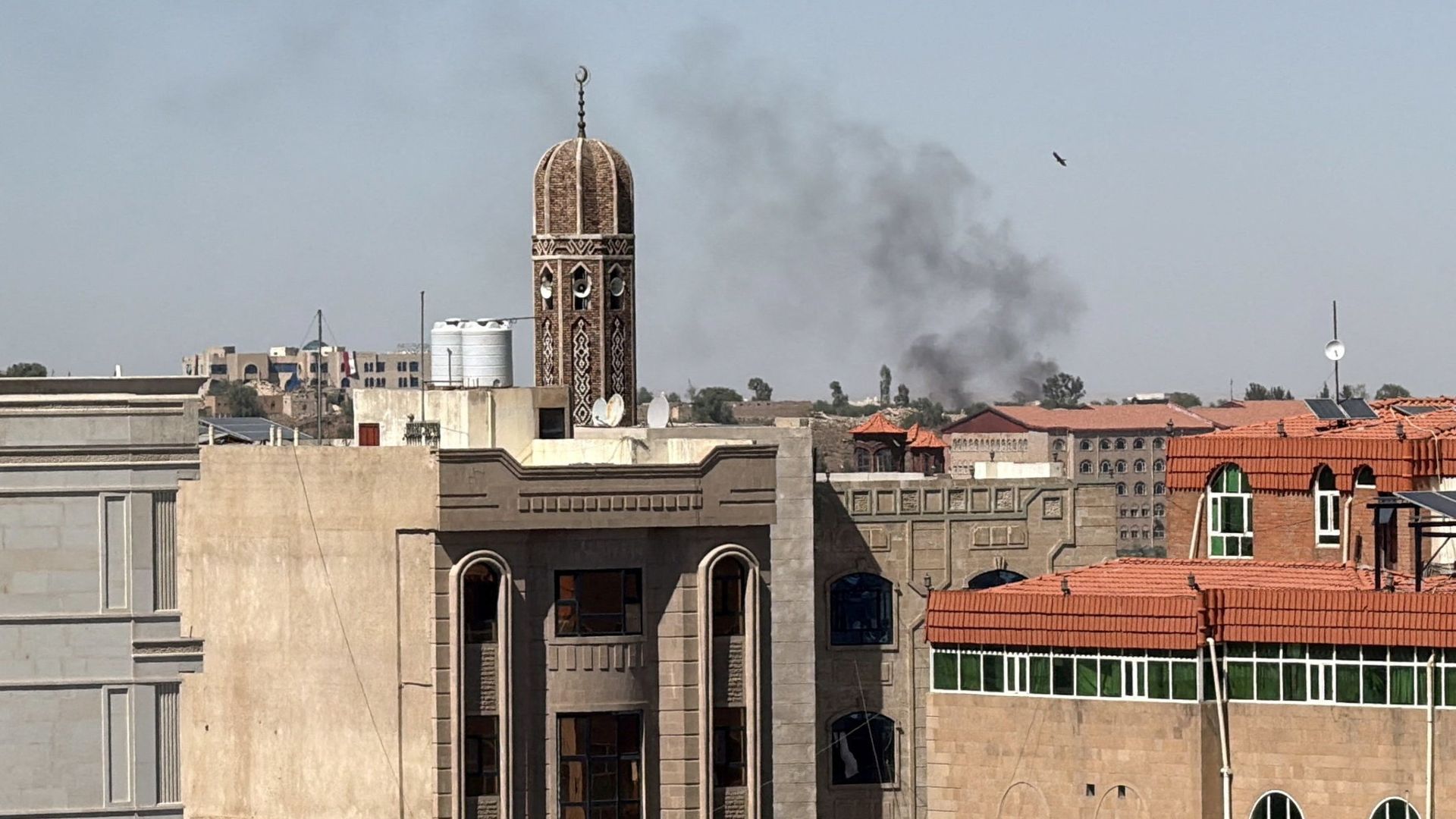
Saudi-backed Yemeni forces launch offensive, claiming control of strategic strait
Yemen's government is trying to retake all Houthi-held territory with Saudi coalition support, but its claimed gains at a crucial Red Sea waterway remain disputed.
31 sources · over 5 days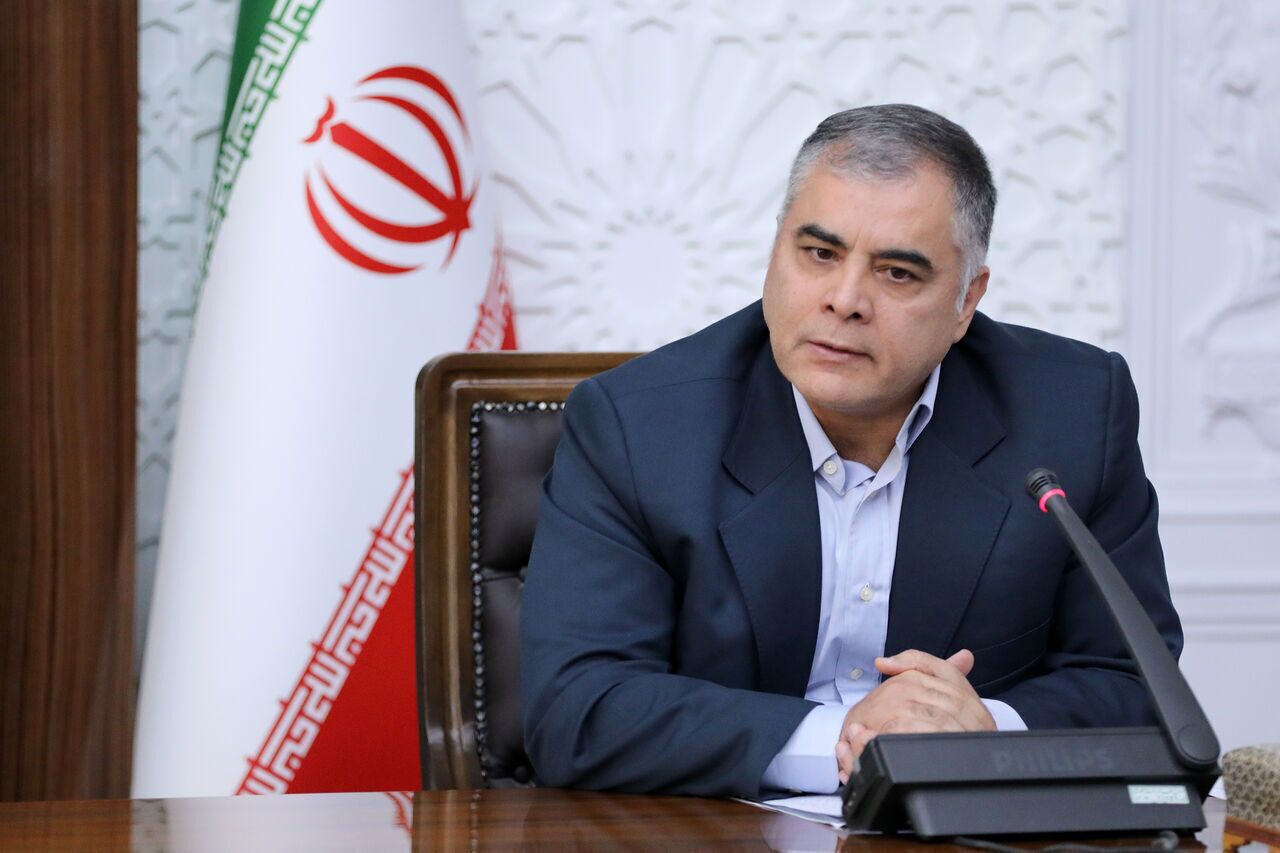
Iran's Oil Minister Resigns as President Names Company Chief Caretaker
Mohsen Paknejad's departure puts the national oil company chief in charge of Iran's Oil Ministry amid war, pressure on export revenues and an economic crisis.
15 sources · today
US Marine Arrested on Suspicion of Murdering Anna Yagi in Okinawa
Lance Corporal Devin Jacob Ballard, 20, denies allegations that he killed and robbed 39-year-old Anna Yagi at a hotel in Okinawa.
23 sources · over 2 days