
Latvia's United List Secures Record Win as Coalition Talks Begin
Prime Minister Andris Kulbergs' party achieved 35.4 percent of the vote, the highest share since 1990, and coalition negotiations have started.
By Hushread Stories, written with AI from 21 outlets · First published 4 Oct 2026
In brief
- Latvia held parliamentary elections on October 3, 2026, amid concerns over security and rising living costs.
- Andris Kulbergs' United List party secured 35.4 percent of the vote, the highest result since 1990.
- Voter turnout was high, reflecting public concern about economic pressures and security threats from Russia.
- Pro-Russian parties improved their results but remain excluded from coalition talks by Kulbergs' party.
- Coalition negotiations are underway to form a government that can address inflation and regional security.
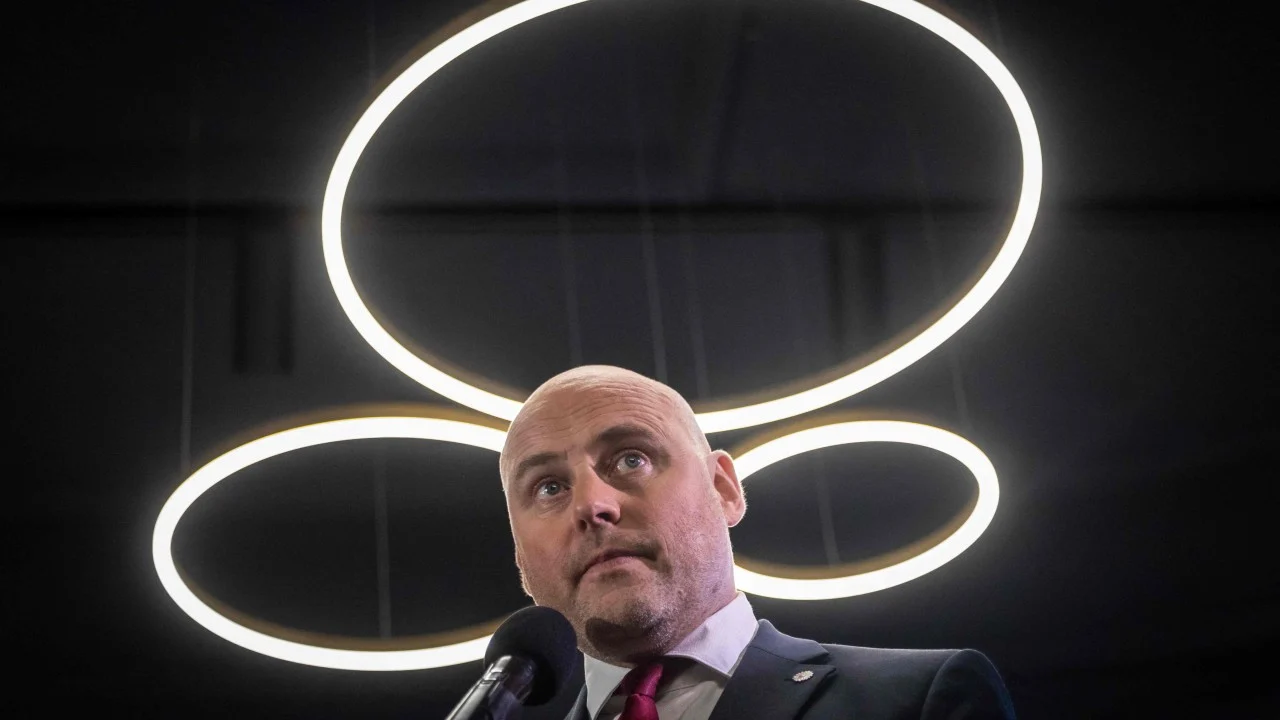
Timeline · 7 moments
Latvia holds parliamentary election amid security and economic concerns
Euronews ↗NATO jets patrol Latvian airspace as voters cast ballots
Deutsche Welle ↗Exit polls show ruling party leads by wide margin
DIE ZEIT | Nachrichten, News, Hintergründe und Debatten ↗Pro-European party projected to win, coalition talks expected
Al Jazeera ↗Preliminary results confirm United List as strongest party
Deutschlandfunk - Fortlaufende Nachrichten vom 24. August 2026 ↗Prime Minister Kulbergs rules out coalition with pro-Russian parties
nu.nl ↗Kulbergs' United List wins 35.4 percent in final tally
RSS di - ANSA.it ↗Update 4 Oct 2026, 0:46 pm UTC
Final results confirm Prime Minister Andris Kulbergs' United List party won 35.4 percent of the vote, a record since 1990. Coalition talks are now underway, with pro-Russian parties having gained ground but still excluded from negotiations.
How it started
Latvia entered its 2026 parliamentary election facing two major concerns: the rising cost of living and the threat posed by Russia. These issues dominated the political debate, as the country, a member of both the EU and NATO, has felt increasingly vulnerable amid the ongoing war in Ukraine and regional tensions.
Prime Minister Andris Kulbergs led the centrist, pro-European United List into the election. His government had positioned itself firmly in support of Ukraine and Western alliances, promising to keep Latvia secure and maintain close ties with Europe.
How it unfolded
On October 3, 2026, Latvians went to the polls, with around 1.5 million citizens eligible to vote. The campaign was shaped by concerns over high inflation, energy prices, and the risk of Russian aggression. Security was visibly tight, with NATO Eurofighter jets deployed over Latvia during the election, reflecting the seriousness of the regional threat.
Exit polls released the same evening showed Prime Minister Kulbergs' party in the lead by a wide margin. Early data suggested the United List had won about 35 percent of the vote, a significant increase from the previous election. While pro-European sentiment was strong, some pro-Russian parties also saw gains, reflecting divisions in parts of the electorate.
By October 4, preliminary official results confirmed the United List as the clear winner, consolidating its position as Latvia's dominant political force. The party's victory was seen as a mandate to continue its pro-European and pro-Ukraine policies. However, coalition negotiations loomed, as no single party held an outright majority and several potential partners had lost ground.
Prime Minister Kulbergs quickly ruled out working with the largest pro-Russian party, narrowing his options for coalition partners and setting the stage for potentially complex talks.
Where it stands
The United List, led by Andris Kulbergs, has emerged as the strongest party in Latvia's parliament. The election result is widely seen as a vote to maintain Latvia's pro-European and pro-Ukraine direction, especially at a time of heightened security concerns.
Despite the clear victory, the process of building a governing coalition remains unresolved. With some traditional coalition partners weakened and pro-Russian parties excluded, Kulbergs will need to negotiate carefully to form a stable government capable of addressing both economic pressures and security threats.
What to watch
Attention now turns to coalition talks, which could prove challenging given the fragmented results and Kulbergs' decision to exclude pro-Russian parties. The new government will need to move quickly to address inflation and reinforce Latvia's security posture as tensions with Russia continue.
More in Politics
All →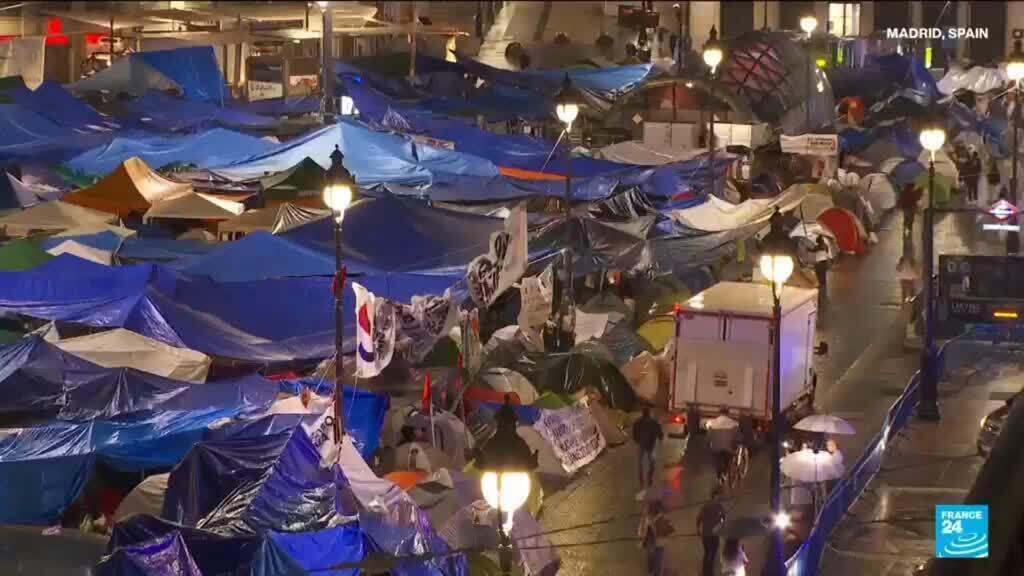
Spain Calls Snap Election After Housing Crisis Protests and Parliamentary Defeat
Spanish Prime Minister Pedro Sánchez has called early elections for November 29 following mass protests and the rejection of his housing decrees.
37 sources · over 6 days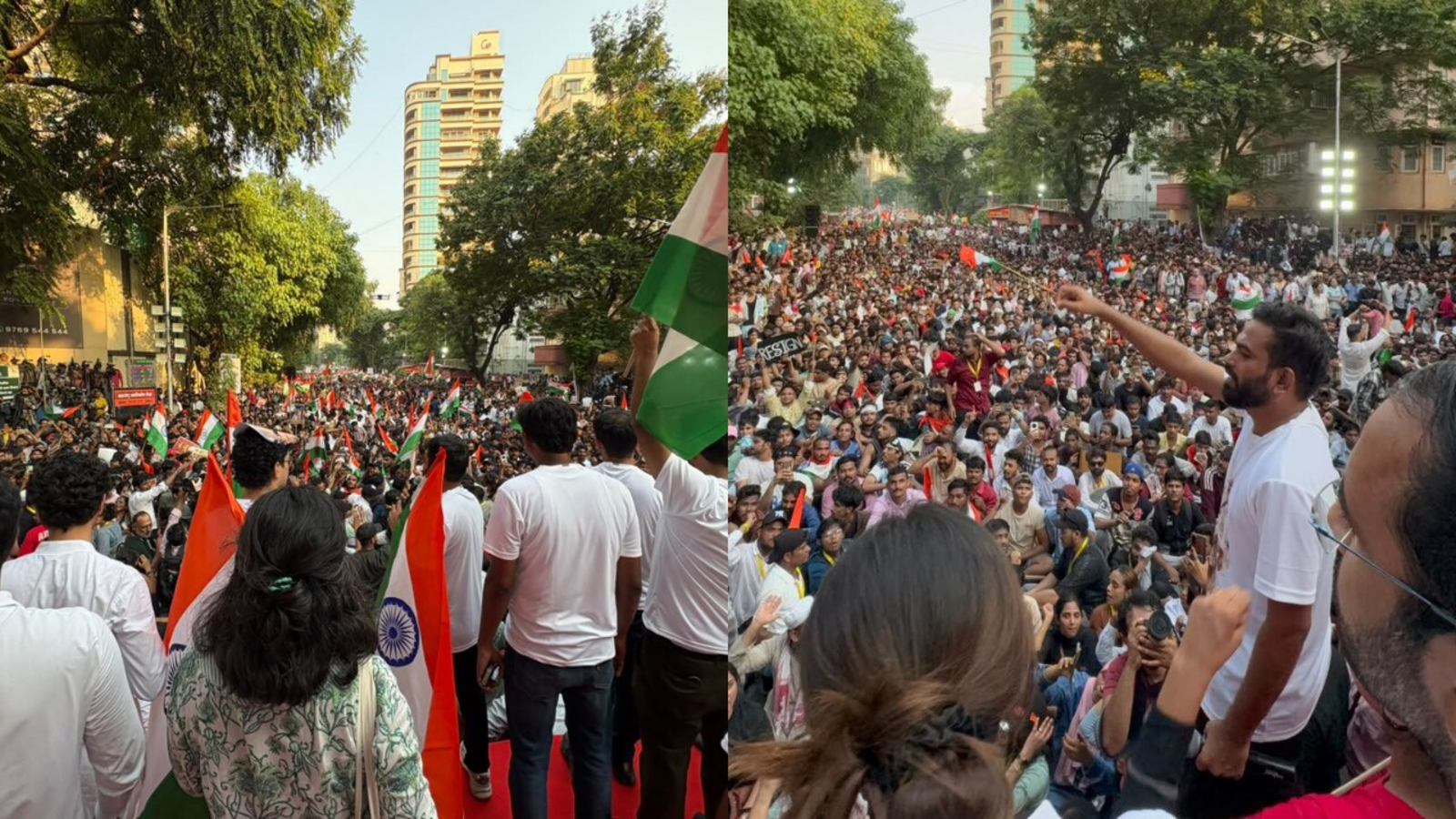
CJP Leads Major Protests Demanding Election Chief Gyanesh Kumar Step Down
Thousands have joined nationwide protests in India, led by the Cockroach Janta Party, calling for the resignation of Chief Election Commissioner Gyanesh Kumar over disputed voter roll changes.
15 sources · over 4 days
Senate Democrats Block Energy Bill Targeting Data Center Electricity Costs
Senate Democrats have halted a Republican-backed bill intended to reduce electricity costs from data centers, intensifying debates over energy policy ahead of the November midterm elections.
8 sources · today