
Parti Québécois Wins Quebec Election but Falls Short of Majority
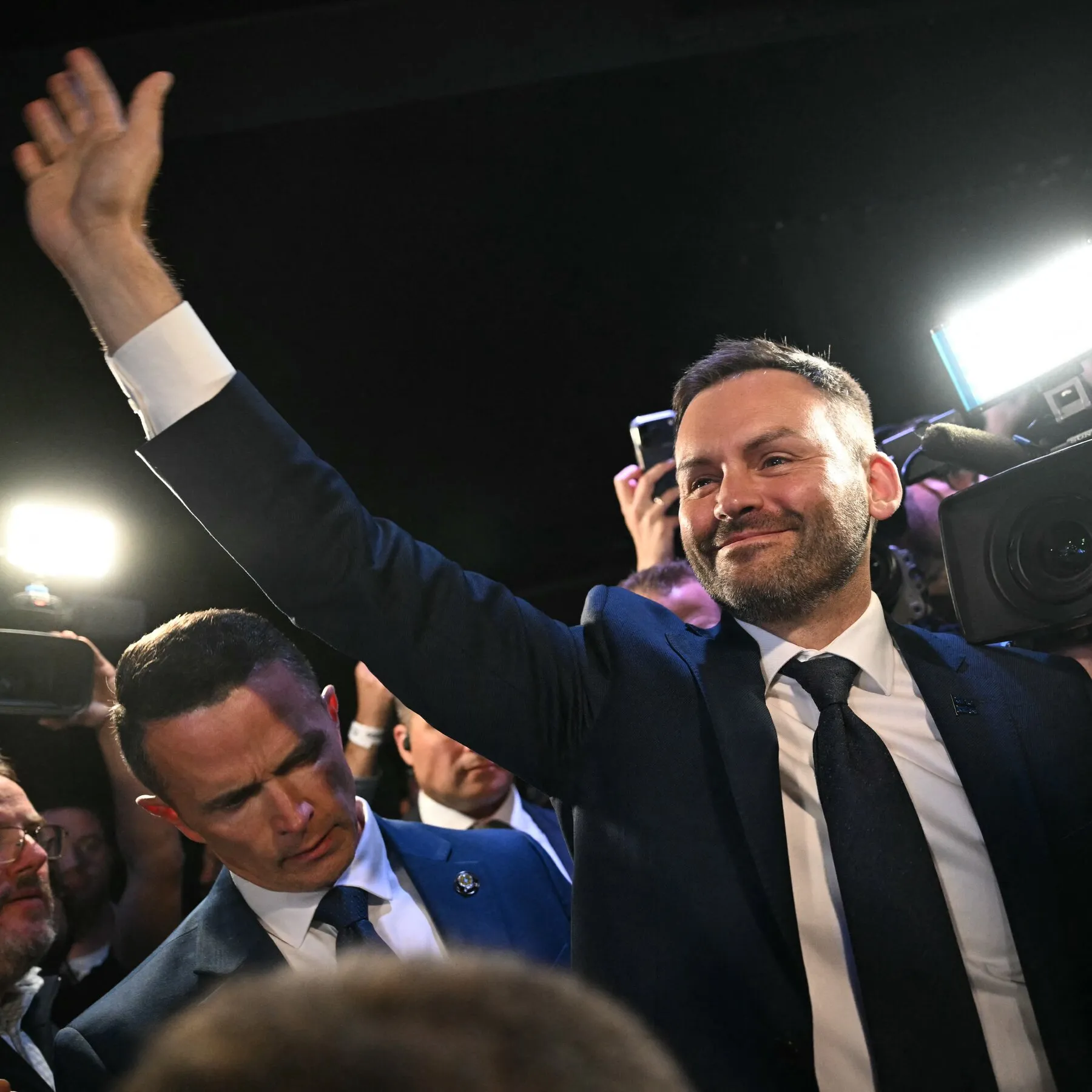
Quebec's separatists have won power with a minority government, reviving a promised independence referendum and creating a fresh test for Prime Minister Mark Carney's national unity message.
By Hushread Stories, written with AI from 15 outlets · First published 6 Oct 2026
In brief
- The Parti Québécois won Quebec's October 5 provincial election but fell short of a legislative majority.
- Party leader Paul St-Pierre Plamondon has promised a future referendum on Quebec's independence from Canada.
- Near final results put the party at about 28 percent, with federalist vote splitting helping its victory.
- The victory returns the separatist party to power in Quebec for the first time since 2014.
- Prime Minister Mark Carney has pledged cooperation with the incoming government, while the referendum timetable remains unsettled.
Timeline · 7 moments
Carney pledges cooperation with incoming separatist provincial government
Euronews ↗PQ says referendum must await end of Trump term
Le Monde ↗Parti Québécois wins election but falls short of majority
The New York Times ↗Quebec voters head to polls after lengthy campaign
Global News ↗Final poll predicts minority government for Parti Québécois
Montreal Gazette ↗Party leaders target support in closely contested ridings
Global News ↗PQ leader promises legislation abolishing monarchy in Quebec
Global News ↗How it started
The Parti Québécois entered the final stretch of Quebec's election campaign as the favourite, promising to revive the province's independence push. Its rise ran against a surge of Canadian patriotism linked to Trump's trade war and annexation threats, according to Japan Times.
But support for changing the government did not necessarily mean support for leaving Canada. NYT World News reported that independence remained a hard sell, three decades after Quebec voted against it in a referendum.
How it unfolded
On September 30, PQ leader Paul St-Pierre Plamondon promised to table a law abolishing the monarchy in Quebec if elected. Asked about the constitutionality of that move, he stood by the proposal, Global News reported.
By October 2, party leaders were concentrating on closely contested ridings. The province's five main parties then made their final weekend appeals to undecided voters, according to Global News.
On October 4, the possible size of a PQ victory remained uncertain. National Post examined how it could win a majority with less than a third of the vote, while Montreal Gazette reported a poll predicting a minority government. These were competing pre-election possibilities, not results.
Voters went to the polls on October 5 after a 39-day campaign. Alongside separation and nationalism, the parties had made promises on immigration, workers' rights and parental support, Global News reported.
By October 6, the PQ had won but fallen short of a majority, according to The New York Times. The Hindu reported that partial results put its vote share at about 30 percent and that vote splitting among federalist parties helped tip the result in its favour.
Where it stands
The outcome is a return to power, but not a majority mandate for the separatists. BBC News - World News reported that the PQ secured a minority, while Franceinfo put its support at about 28 percent in near-final results. That figure is lower than the roughly 30 percent reported from partial results. The party had not governed Quebec since 2014, according to Franceinfo.
St-Pierre Plamondon has vowed a future independence referendum, Al Jazeera reported. Prime Minister Mark Carney has pledged to work with the incoming government on Quebec's needs, including jobs and resisting a hostile US administration, according to Euronews.
What to watch
The referendum timetable is unresolved in the coverage. On election day, The Guardian News reported a promise to hold it by 2028. After the vote, Japan Times described a referendum during the new premier's four-year term, while Le Monde reported that the PQ would not organise one before the end of Donald Trump's term. Those accounts leave different expectations about when a vote could happen.
The other immediate question is how the PQ will govern without a majority and advance its independence pledge. Its victory revives the sovereignty push, but the result stops short of the majority that The New York Times said would have all but guaranteed a potential showdown with Ottawa.
More in Politics
All →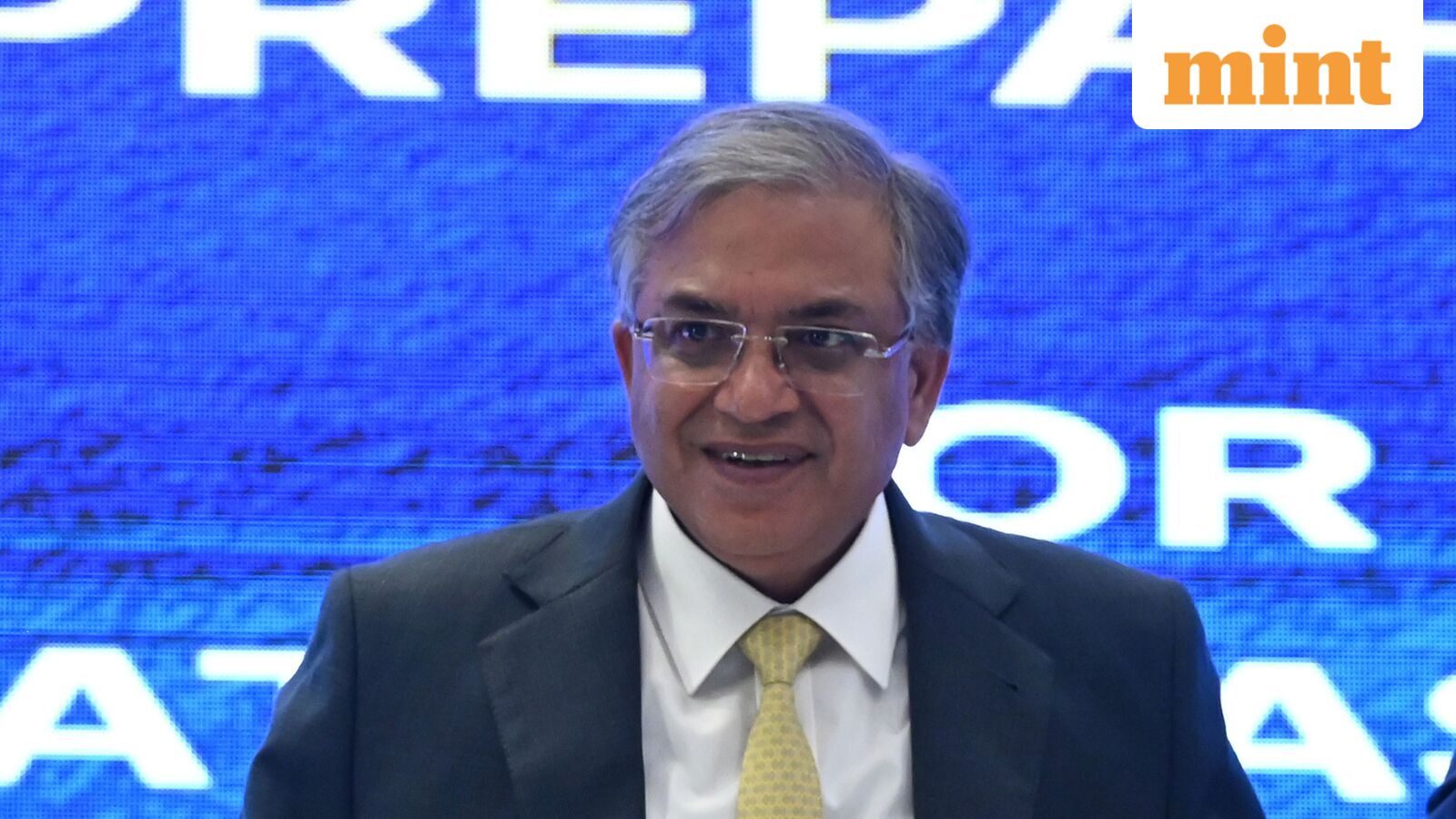
Supreme Court Questions Form 6 Changes as Election Commission Restores Enrolment
The court says it did not approve changes to the voter registration form, as the Election Commission rolls back requirements and seeks to enrol eligible voters left out during revision.
10 sources · over 7 days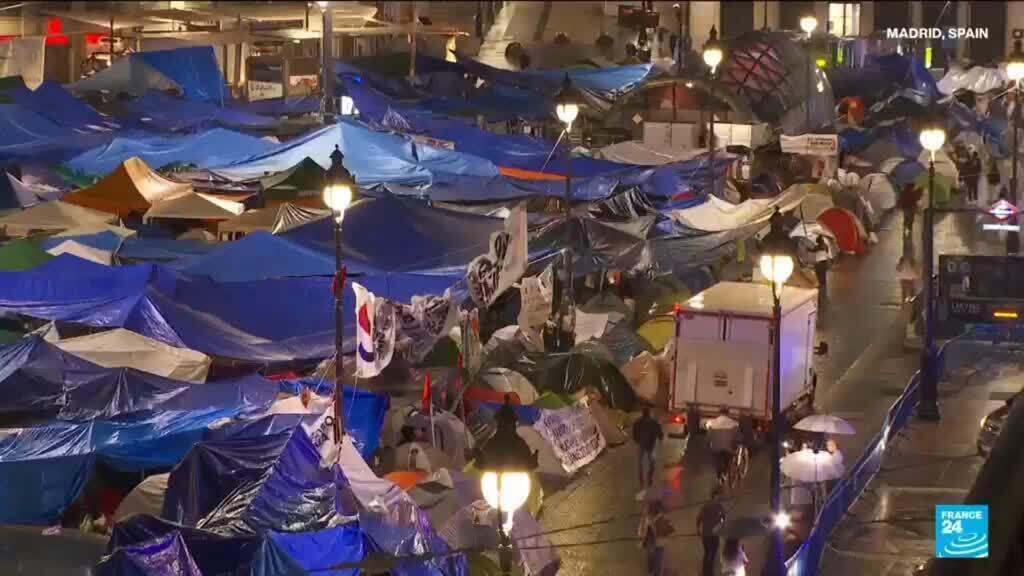
Spain Calls Snap Election After Housing Crisis Protests and Parliamentary Defeat
Spanish Prime Minister Pedro Sánchez has called early elections for November 29 following mass protests and the rejection of his housing decrees.
51 sources · over 6 days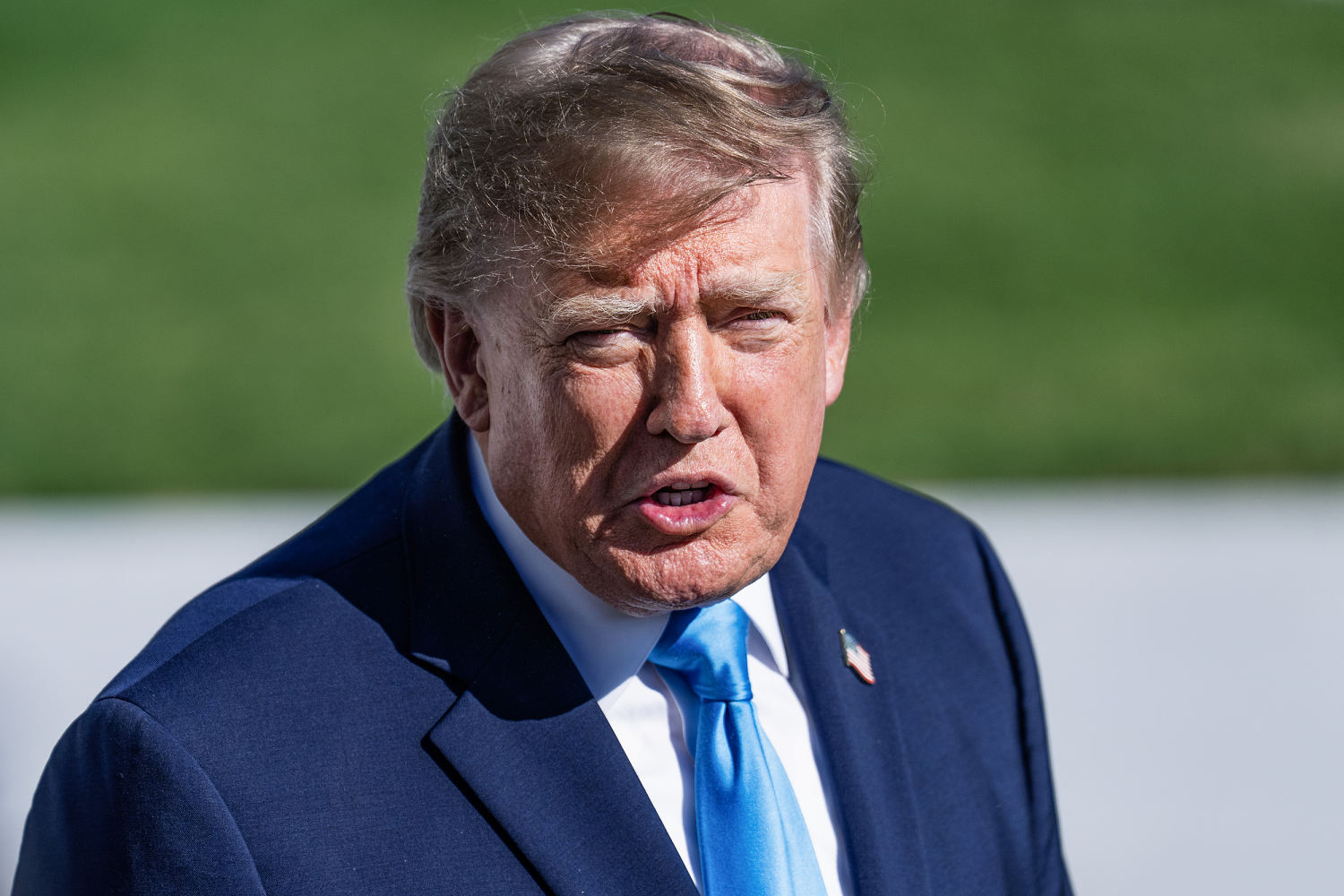
Trump Says His Super PAC Will Pay for Government-Funded Promotional Ads
After bipartisan criticism, Trump says public money will no longer fund ads praising him, but questions remain about reimbursement and how future advertising will be paid for.
16 sources · over 4 days