
Andrew Mountbatten-Windsor Sues Police Over Epstein-Related Arrest and Home Searches
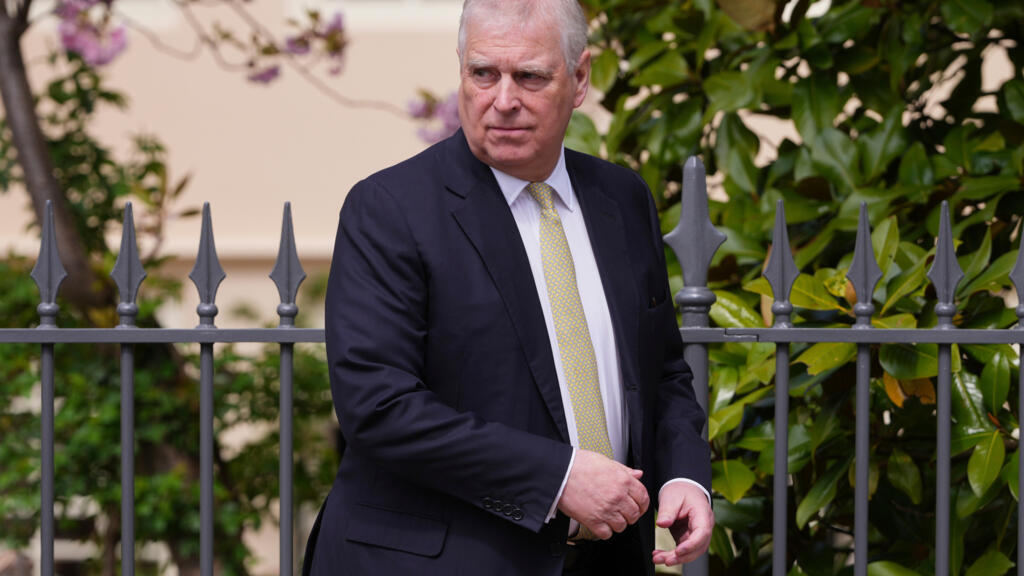
Andrew Mountbatten-Windsor has launched legal action against Thames Valley Police, challenging the lawfulness of his February arrest and related search warrants in the ongoing Epstein files investigation.
By Hushread Stories, written with AI from 9 outlets · First published 5 Oct 2026
In brief
- Andrew Mountbatten-Windsor was arrested in February on suspicion of misconduct in public office connected to the Epstein files case.
- He has now taken legal action against Thames Valley Police, arguing that searches of his homes may have been unlawful.
- The legal challenge seeks to quash the search warrants that led to his arrest and the police raids on his residences.
- A private High Court hearing on his request for judicial review is scheduled to take place on Thursday.
- The outcome of this legal action could affect both the police investigation and Andrew's standing in public life.
Timeline · 5 moments
High Court private hearing scheduled for Thursday on Andrew's case
Sky News ↗Thames Valley Police issues statement after Andrew's legal move
Home | GB News ↗Details emerge on Andrew's challenge to police search warrants
Latest news, sport and opinion from the Guardian ↗Andrew Mountbatten-Windsor launches legal action against Thames Valley Police
Home | GB News ↗Andrew Mountbatten-Windsor arrested in Epstein-related investigation
© Kirsty Wigglesworth, AP ↗How it started
In February 2026, Andrew Mountbatten-Windsor, formerly known as Prince Andrew, was arrested by Thames Valley Police. The arrest was linked to an investigation involving the late Jeffrey Epstein and allegations that Andrew had provided confidential information to Epstein.
Police also searched Andrew's homes as part of the investigation. The legality of these searches and the arrest itself quickly became a point of contention.
How it unfolded
On October 4, news broke that Andrew Mountbatten-Windsor had launched legal action against Thames Valley Police. He claimed the searches of his homes may have been unlawful and sought to challenge the police's handling of the case.
By October 5, more details emerged about the nature of his challenge. Andrew is seeking a judicial review to determine whether the search warrants and his arrest were legal. The case centers on whether the police followed proper procedures when obtaining and executing the warrants.
A judicial spokesperson confirmed that a private hearing at the High Court is set for Thursday. Thames Valley Police responded to the reports by issuing a statement, though the details of their response have not been fully disclosed in public.
The move has drawn widespread media attention, with commentators noting the potential impact on both the ongoing police investigation and Andrew's reputation.
Where it stands
Andrew's legal challenge is now before the High Court, with a private hearing approaching. The judicial review will focus on the lawfulness of the search warrants and his February arrest.
The case is ongoing, and its outcome could have significant consequences for both the police investigation into the Epstein files and Andrew Mountbatten-Windsor's public image.
What to watch
The key event to watch is the upcoming High Court hearing, which will address whether the police's search warrants and Andrew's arrest were lawful. The decision could influence the direction of the broader investigation and shape how the British royal family responds to further developments.
More in World
All →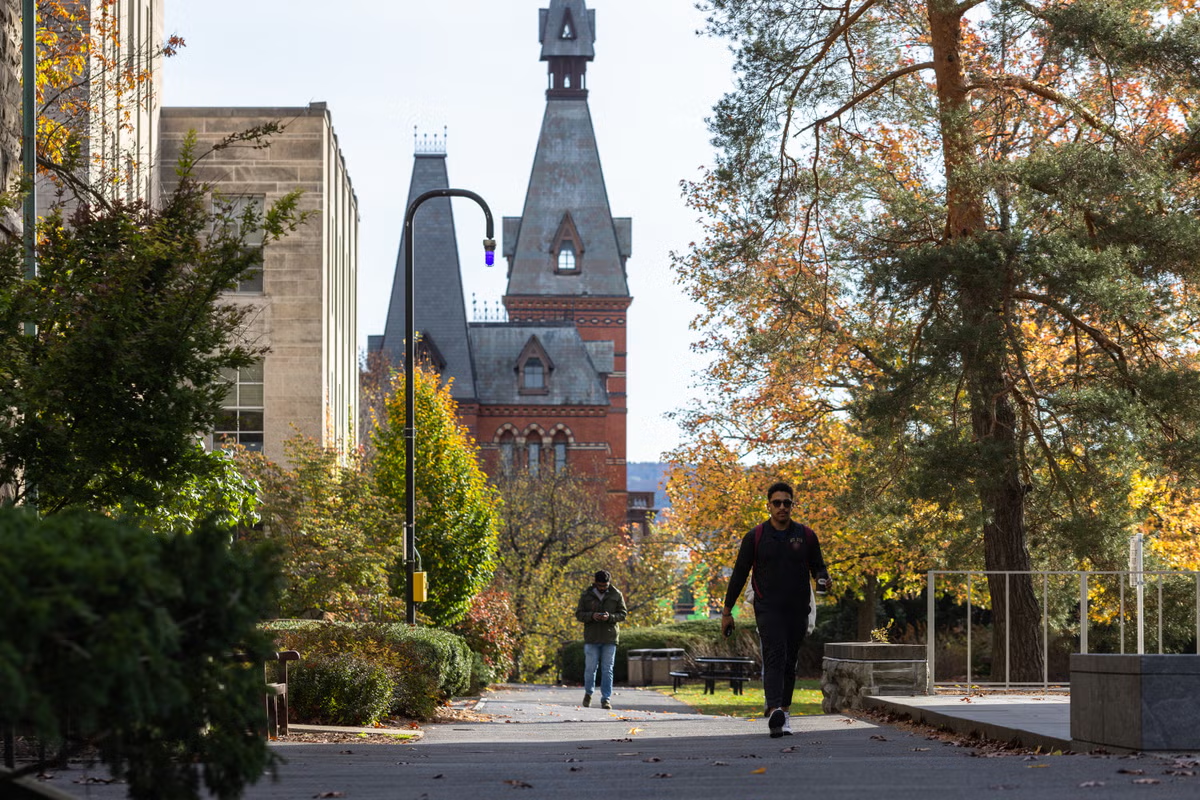
Cornell Faces Lawsuit and Reopened Probe Over Alleged Fraternity Gang Rape
A former Cornell student's lawsuit accusing fraternity members of gang rape has led prosecutors to reopen the case, raising questions about the university's response and disciplinary actions.
52 sources · over 7 days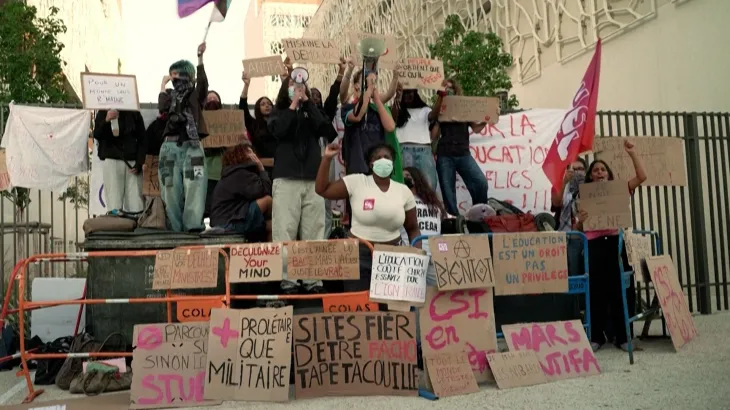
French Student Protests Force Closure of Up to 500 Schools
Up to 500 schools across France will remain closed as student protests over education funding and conditions intensify.
54 sources · over 7 days
Flavio Bolsonaro Leads Lula After First Round, Runoff Set
Flavio Bolsonaro leads with 47 percent, Lula follows at 45 percent, and Brazil's presidential race heads to a runoff on October 25.
56 sources · over 5 days