
Cornell Faces Protests and Faculty Revolt Over Fraternity Rape Allegations
Scrutiny of Cornell's handling of a 2024 alleged fraternity assault has widened, with student protests, a planned faculty confidence vote and a review led by Sally Yates.
By Hushread Stories, written with AI from 23 outlets · First published 7 Oct 2026 · Chapter 3 of 3
Earlier: Cornell Faces Protests Over Handling of Alleged Fraternity Gang Rape
In brief
- A former Cornell student alleges she was drugged and raped in 2024 by seven fraternity members.
- Cornell's internal investigation ran from November 2024 through May 2025, and disciplinary actions included expulsions.
- Campus police received an anonymous tip alleging Chi Phi sought to keep the reported assault quiet.
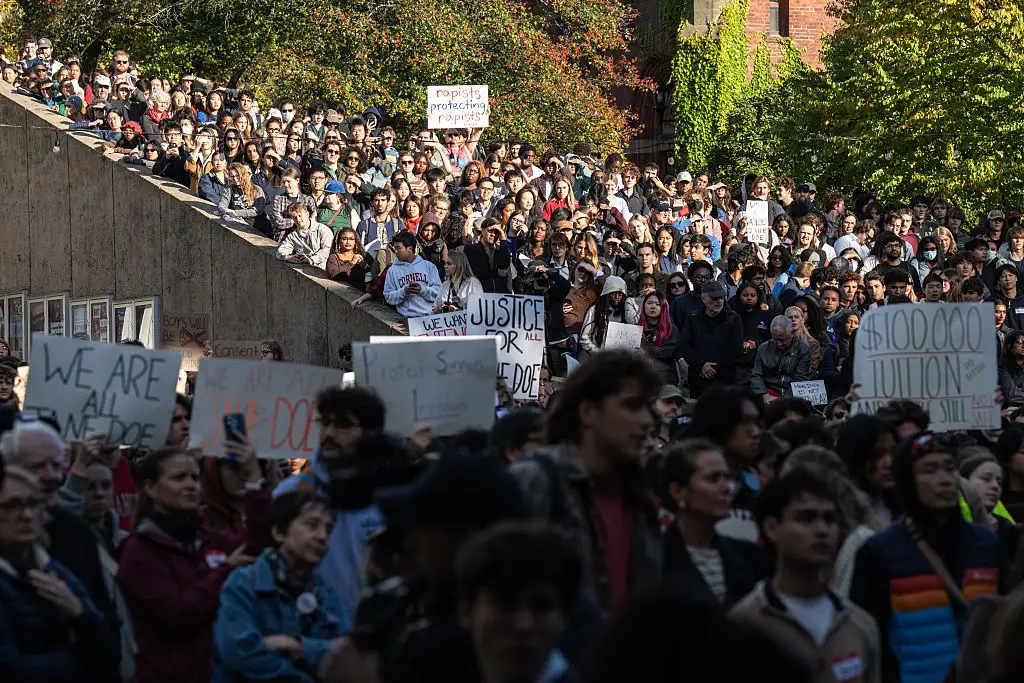
- Student protesters demand accountability, while the faculty senate plans a vote expressing no confidence in administrators.
- Sally Yates is leading a review of Cornell's handling, and coverage reports the criminal investigation has reopened.
Timeline · 9 moments
Former students ask Cornell to clear their names
CBS Top Stories ↗Sally Yates leads review of Cornell's handling
DIE ZEIT | Nachrichten, News, Hintergründe und Debatten ↗Faculty senate plans no-confidence vote over university response
The New York Times ↗Report reveals anonymous tip about keeping allegations quiet
ABCNews.com ↗Administration building defaced and glass door smashed
The New York Times ↗Protesters march on campus and demand president resign
New York Post ↗Student who gave police leads criticizes case handling
NBC News ↗Lawyer says Jane Doe has been targeted with threats
CBC Top Stories ↗Reporting details Cornell punishments for accused fraternity members
TMZ ↗How it started
The case concerns a former Cornell University student, identified as Jane Doe, who alleges she was drugged and raped in 2024 by seven fraternity members. Le Monde reported those allegations, while NBC News identified the fraternity house as Chi Phi.
Cornell conducted an internal investigation from November 2024 through May 2025, according to ABC News, which reviewed records from that process. Disciplinary actions included expulsions, but the university's response has become the focus of protests and demands for further scrutiny.
The allegations are not established criminal findings. The current controversy concerns both what allegedly happened at the fraternity house and how Cornell handled the information it received.
How it unfolded
On October 5, NBC News reported that a student who gave campus police leads in 2024 felt "betrayed" by the handling of the case. She said she had provided what she believed was useful information about the alleged incident at Chi Phi.
Reporting that day also raised questions about efforts to contain the allegations. ABC News said phone calls and records suggested some students tried to keep them contained. Separately, CBC Top Stories reported the woman's lawyer said she had been targeted with threats.
Student anger became a public challenge to university leadership. On October 5, New York Post reported that more than 1,000 protesters marched on campus and demanded the president's resignation. Al Jazeera reported that student groups sought the abolition of Greek life and stronger punitive action.
An administration building was also defaced and a glass door smashed, according to The New York Times. A university spokesperson told The Independent that Cornell was investigating the vandalism at Day Hall and would address it under university policy and applicable law.
On October 6, ABCNews.com reported that campus police had received an anonymous tip alleging Chi Phi sought to keep the incident quiet. The tip arrived a day after Cornell authorities alerted students to a reported rape. That same day, The New York Times reported that the faculty senate planned a rare no-confidence resolution over administrators' handling of the allegations.
Where it stands
Cornell now faces scrutiny from students and faculty, alongside renewed attention to the criminal case. The Hindu reported that the criminal investigation had reopened in 2026. The supplied coverage does not establish a criminal outcome.
The university has also commissioned a review of how its administration handled the allegations, led by Sally Yates, according to DIE ZEIT. Earlier, TIME.com reported that Cornell's president had promised a "serious look" at campus fraternities and sororities.
The consequences extend beyond university leadership. The woman's lawyer has reported threats against her, while CBS Top Stories reported that former students who say they were falsely connected to the case have asked Cornell to clear their names.
What to watch
The faculty senate's planned no-confidence vote will show how far faculty opposition has developed. Its outcome remains pending in the supplied coverage. The review led by Sally Yates is another concrete test of accountability: what Cornell knew, how it responded and whether its handling requires changes.
The reopened criminal investigation is a separate process from Cornell's disciplinary proceedings. Protesters also want an inquiry into the administration's response and new guidelines for future cases, according to Japan Times. Whether those demands produce specific policy changes remains unresolved.
More in World
All →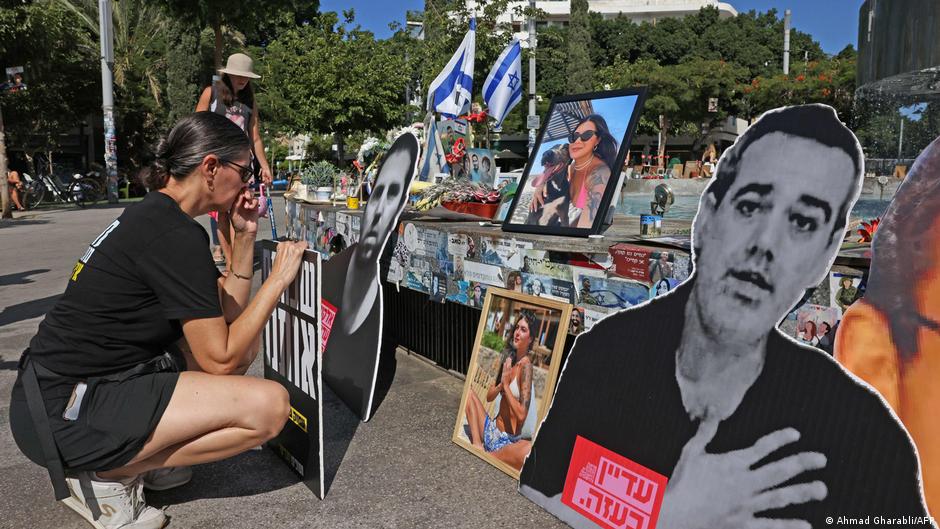
Israel Marks Third Anniversary of October 7 Attacks Amid Military Alert
Israel is preparing to mark three years since the Hamas attacks as the military remains on alert ahead of October 7.
13 sources · over 2 days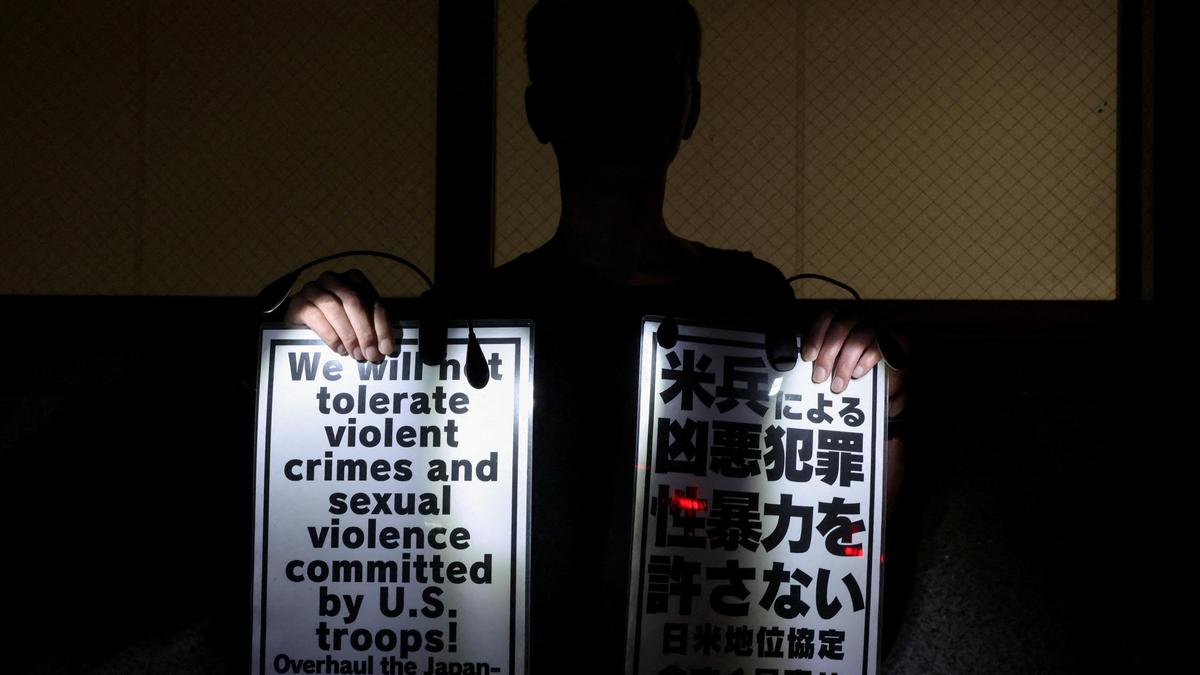
US Marine arrest over Okinawa woman's killing prompts protests and troop restrictions
Japan has demanded tighter discipline after a Marine's arrest over a woman's killing in Okinawa, while troop restrictions and protests put the American military presence under renewed scrutiny.
24 sources · over 4 days
Protests Against Election Chief Gyanesh Kumar Spread Ahead of Delhi Rally
Detentions, police cases and opposition marches have intensified pressure over alleged voter roll irregularities, as the Cockroach Janta Party prepares another Delhi protest on October 10.
17 sources · over 6 days