
Flydubai Cockpit Attack Investigation Examines Airport Target and Co-pilot's Past
Investigators are examining reports of a planned crash into Ben Gurion Airport, while new accounts describe the captain's injuries and Israel's preparations to shoot down the aircraft.
By Hushread Stories, written with AI from 80 outlets · First published 6 Oct 2026 · Chapter 2 of 2
Earlier: Flydubai Cockpit Attack Probed as Possible Hijacking Plot
In brief
- A Flydubai co-pilot allegedly attacked the captain during a September 30 flight from Dubai to Tel Aviv.
- Passengers helped subdue the attacker, and the aircraft diverted to Saudi Arabia after the cockpit assault.
- Sources familiar with the investigation say the intended target was Israel's Ben Gurion International Airport.
- UAE authorities and Flydubai have not publicly confirmed the suspect's identity, despite widespread reports naming him.
- Investigators are examining the suspect's previous employment, flight training abroad, alleged preparations and possible foreign links.

Timeline · 8 moments
Passengers describe helping subdue attacker during steep descent
CBS Top Stories ↗Report details captain's skull fracture and memory difficulties
Mint ↗New Zealand police confirm portion of suspect's flight training
World News CNA ↗Israeli sources describe preparations to shoot down aircraft
CBS Top Stories ↗Report reveals earlier Oman Air dismissal over extremism
Japan Times ↗Officials say attack planning preceded employment at Flydubai
Sydney Morning Herald ↗Investigation source identifies Ben Gurion Airport as intended target
NPR : National Public Radio ↗Co-pilot allegedly attacks captain on Israel-bound Flydubai flight
Swarajya ↗How it started
A Flydubai flight from Dubai to Tel Aviv became an attempted hijacking when the co-pilot allegedly attacked the captain and tried to seize control. Swarajya dated the attack to September 30. Mint reported that the weapon was a cockpit crash axe and that the aircraft later diverted to Saudi Arabia.
The captain was identified as Captain Smit Machchhar by The Hindu. Several reports named the suspected attacker as Hamam al-Hammami, an Omani national, but NDTV cautioned that neither UAE authorities nor Flydubai had publicly confirmed his identity.
How it unfolded
Reporting on October 5 began to establish a possible target. NPR, citing a person familiar with the investigation who was not authorized to speak publicly, reported that the attacker intended to crash the aircraft into Ben Gurion International Airport.
The same day, the Sydney Morning Herald reported that two Israeli officials said the co-pilot had planned the attack before joining Flydubai. Another source said he had operated a flight to Tel Aviv earlier in the year and intended to attack then, but did not proceed. The Guardian reported investigators believed an attack had originally been planned for July, possibly postponed because a friend was among the crew.
His employment history also came under scrutiny. Japan Times reported on October 5 that he had previously lost a job at Oman Air for dabbling in extremism. That account raises a specific question about what Flydubai knew when it hired him.
Israel's response became clearer in reporting from CBS on October 5. Israeli sources said the country was prepared for fighter jets to shoot down the aircraft if necessary. The report describes a contingency, not a decision that was carried out.
On October 6, passenger accounts published by CBS described people helping subdue the attacker as the aircraft plunged 14,000 feet. Separately, Mint reported that the captain had suffered a skull fracture, blurred vision and difficulty recalling the incident.
Where it stands
The investigation is UAE-led, and Israel's Shin Bet has participated in interrogating the suspected attacker, according to the Financial Times. Arab News also reported that UAE authorities had shared passenger and crew details with Israel before the flight, including the pilots' names and nationalities.
The inquiry now extends to the suspect's time abroad. Deutsche Welle reported that police in Australia and New Zealand would investigate his links to both countries. On October 6, CNA reported that New Zealand police said he had completed part of his flight training there.
Responsibility beyond the co-pilot remains unresolved in the supplied reporting. The Hindu described early indications that he acted alone, while The Independent reported that Trump blamed Iran. Those accounts do not establish Iranian involvement.
What to watch
The central outstanding questions are whether investigators can substantiate the reported airport target, the alleged advance planning and any foreign links. Much of the detail so far comes from unnamed officials or sources familiar with the inquiry, rather than a public account from UAE investigators.
The hiring process is another unresolved issue. The reported Oman Air dismissal and the inquiries into training abroad could help establish what information was available before the co-pilot joined Flydubai. Public confirmation of his identity and a fuller account of the cockpit struggle are also still missing from this coverage.
More in World
All →
Black Sea ship attacks leave two dead and crew missing
A ship has sunk off Bulgaria after drone strikes on two vessels, a day after a deadly sinking near Romania, with rescuers searching for missing crew.
23 sources · over 2 days
Protests Against Election Chief Gyanesh Kumar Spread Ahead of Delhi Rally
Detentions, police cases and opposition marches have intensified pressure over alleged voter roll irregularities, as the Cockroach Janta Party prepares another Delhi protest on October 10.
17 sources · over 6 days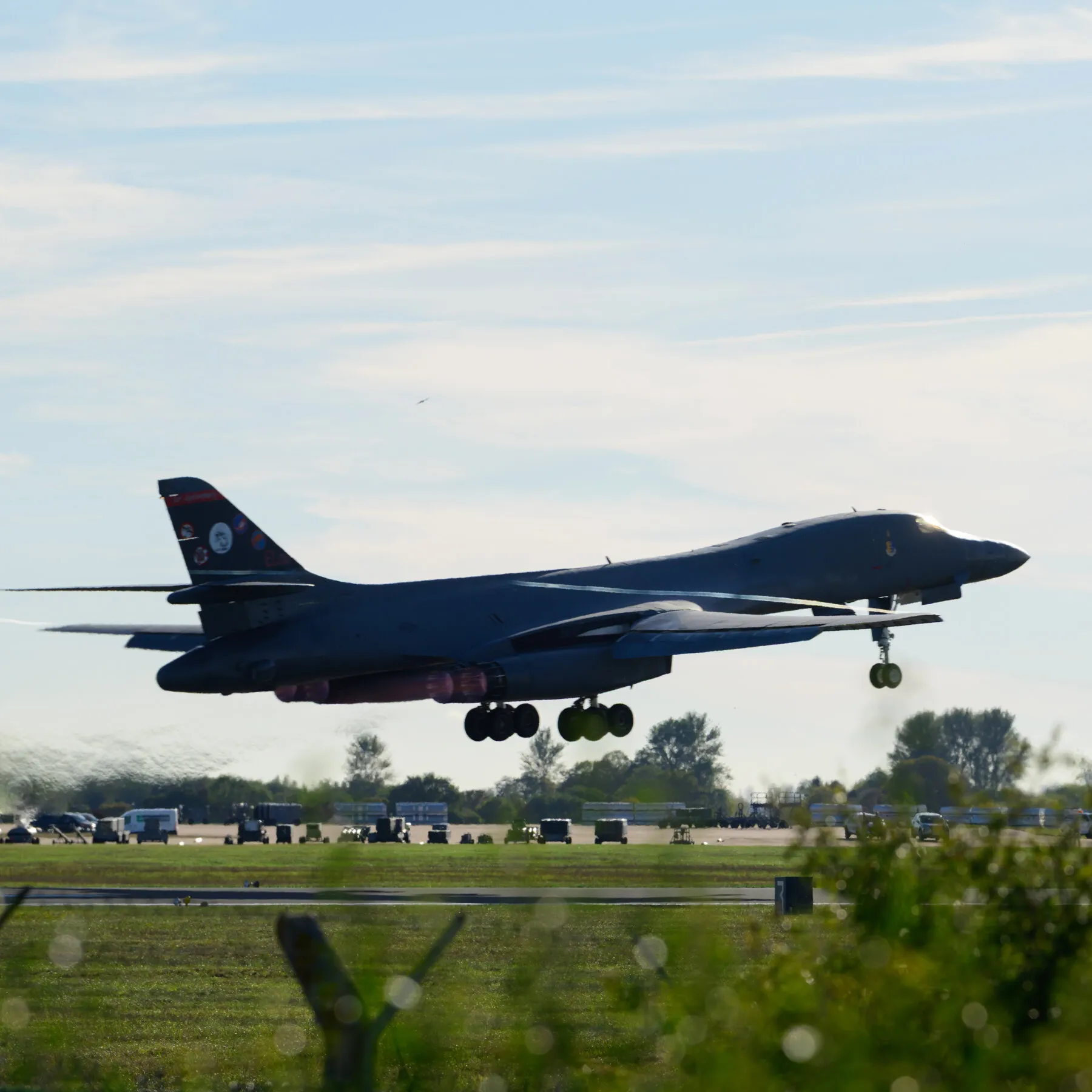
US Withdraws All B-1 Bombers From RAF Fairford After Suspected Terror Plot
All US Air Force B-1 bombers have been rapidly withdrawn from a UK air base following a suspected terror plot and multiple arrests, raising security concerns about US-UK military operations.
52 sources · over 2 days