
JD Vance Calls for Iranian Enrichment Cuts to End War
Washington is seeking concrete nuclear concessions as Iran and the US exchange proposals to end the war and reopen the Strait of Hormuz, a vital energy shipping route.
By Hushread Stories, written with AI from 8 outlets · First published 7 Oct 2026
In brief
- US Vice President JD Vance says Iran must meaningfully reduce its nuclear enrichment capacity to end the war.
- Iran and the US have exchanged proposals aimed at ending the conflict and reopening the Strait of Hormuz.
- Vance questioned Iran's need for fuel enriched to 60 percent as he pressed for nuclear concessions.
- The US remains open to an agreement but wants concrete Iranian action rather than promises about future limits.
- Vance said talks involve Iranian President Masoud Pezeshkian and Foreign Minister Abbas Araqchi, whose authority he questioned.
Timeline · 5 moments
Vance identifies Iranian interlocutors but questions their authority
The Hindu ↗US seeks concrete nuclear action rather than promises
Top World News- News18.com ↗Vance questions Iran's need for 60 percent enriched fuel
India Today ↗Vance demands meaningful reduction in Iran's enrichment capacity
Arab News ↗Recent proposals seek war's end and Hormuz reopening
NDTV News - World-news News ↗How it started
Iran and the US have exchanged proposals in recent weeks aimed at ending the war and reopening the Strait of Hormuz, according to NDTV News. The outlet described the strait as a vital global energy shipping route.
Against that backdrop, US Vice President JD Vance has set out a nuclear condition for ending the conflict: Iran must make a "meaningful" reduction in its enrichment capacity, Arab News reported.
How it unfolded
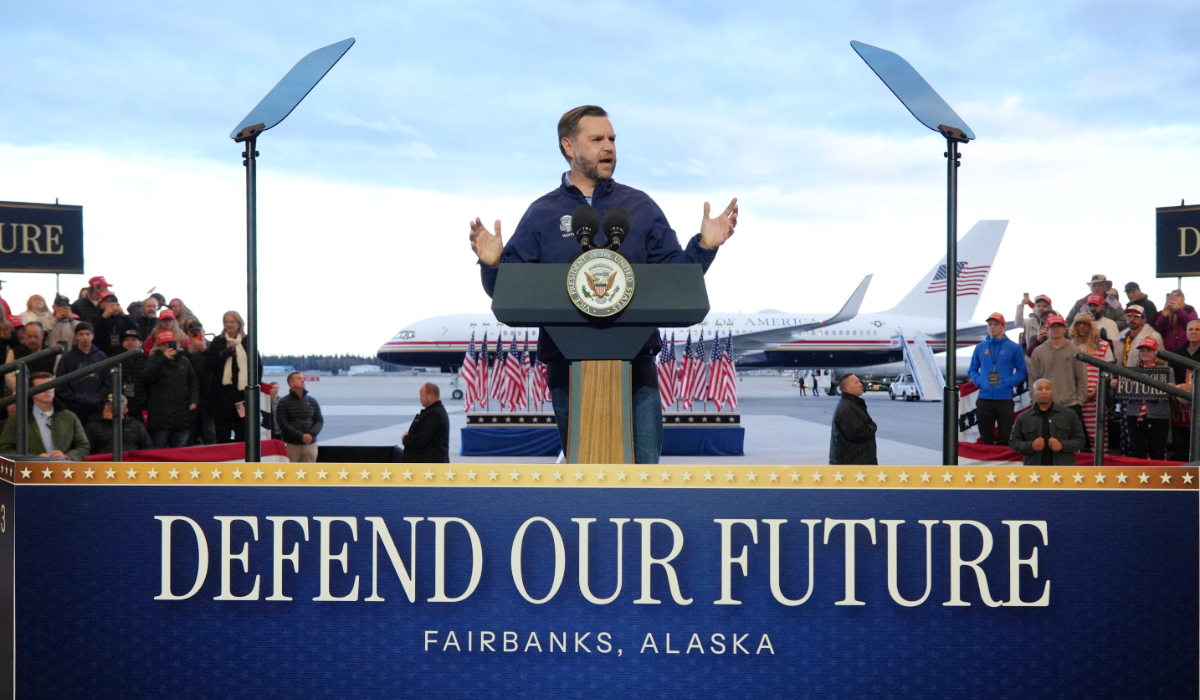
On October 6, Arab News reported Vance's demand in coverage of an interview in Fairbanks, Alaska. He said a meaningful reduction in Iran's nuclear enrichment capacity was needed to satisfy US demands and end the war.
Coverage that day also highlighted his challenge to Iran's enrichment level. India Today reported that Vance questioned why Iran needed fuel enriched to 60 percent.
The distinction between promises and action was central to his position. On October 6, News18 reported that Vance said the US remained open to a deal but wanted concrete action from Tehran rather than promises about future nuclear limits.
On October 7, The Hindu reported another complication: Vance said the US was in talks with Iranian President Masoud Pezeshkian and Foreign Minister Abbas Araqchi, but that it was unclear how much authority they wielded within Iran's power structure.
Where it stands
The US position remains open to an agreement, but conditional on Iranian nuclear concessions. Mint reported on October 7 that Washington was seeking a meaningful reduction in Tehran's enrichment capacity to meet its demand and end the conflict.
The supplied coverage does not specify the size of the reduction Washington would accept, a deadline for action or an Iranian response to Vance's latest demand. It also does not report a completed agreement.
What to watch
The immediate issue is whether the exchanged proposals can produce concrete nuclear concessions alongside an agreement to end the war and reopen the Strait of Hormuz. Those are the objectives described by NDTV News, while News18 reported Washington's insistence on action rather than promises.
Who can commit Iran to an agreement is another unresolved point. Vance's uncertainty about the authority of Pezeshkian and Araqchi, reported by The Hindu, leaves that question open even as talks continue.
More in World
All →
Spain approves new housing measures after protests and snap election call
The government has approved fresh emergency housing decrees after parliament rejected its earlier measures, while protests have turned violent in Barcelona and Spain prepares for a November election.
54 sources · over 7 days
Black Sea Ship Attacks Leave Two Dead and Crew Missing
Two cargo ships have sunk off Romania and Bulgaria, while a tanker burned off Russia, leaving rescuers searching for missing sailors and responsibility unresolved in some incidents.
25 sources · over 2 days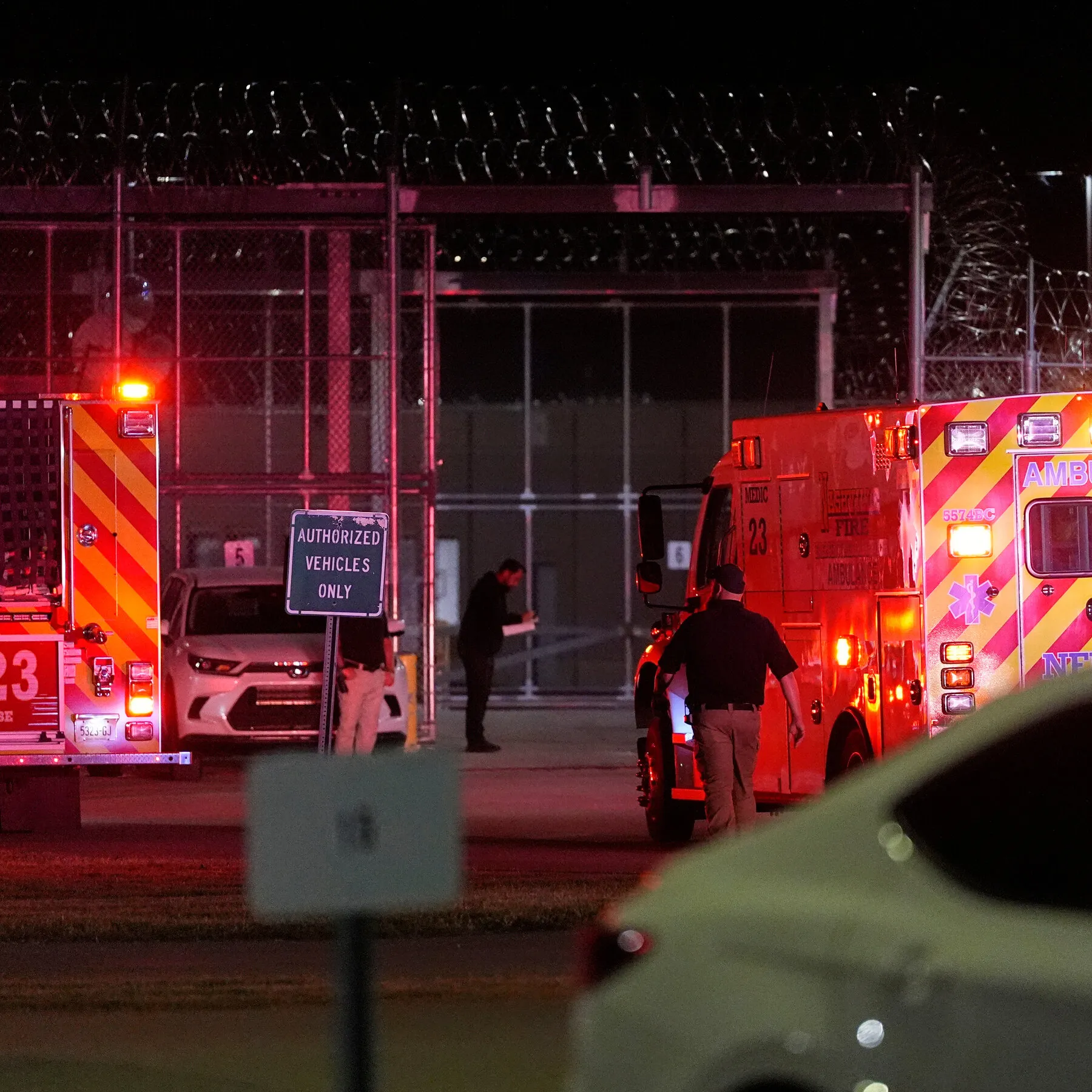
Christa Pike Regains Consciousness After Tennessee's Failed Execution Attempt
Pike survived two doses of a lethal injection drug and remains in hospital, renewing scrutiny of execution methods while leaving questions about her medical recovery and legal future.
41 sources · today