
OpenAI Launches Dots Against Meta's Muse as Apple Tightens Data Controls
Meta's fast-growing personal agent now faces a subscription-based rival from OpenAI, while disputes over private messages and planned Mac safeguards put data access at the centre of competition.
By Hushread Stories, written with AI from 54 outlets · First published 5 Oct 2026
Earlier: Meta and OpenAI Battle for Dominance With Muse and Dots AI Agents
In brief
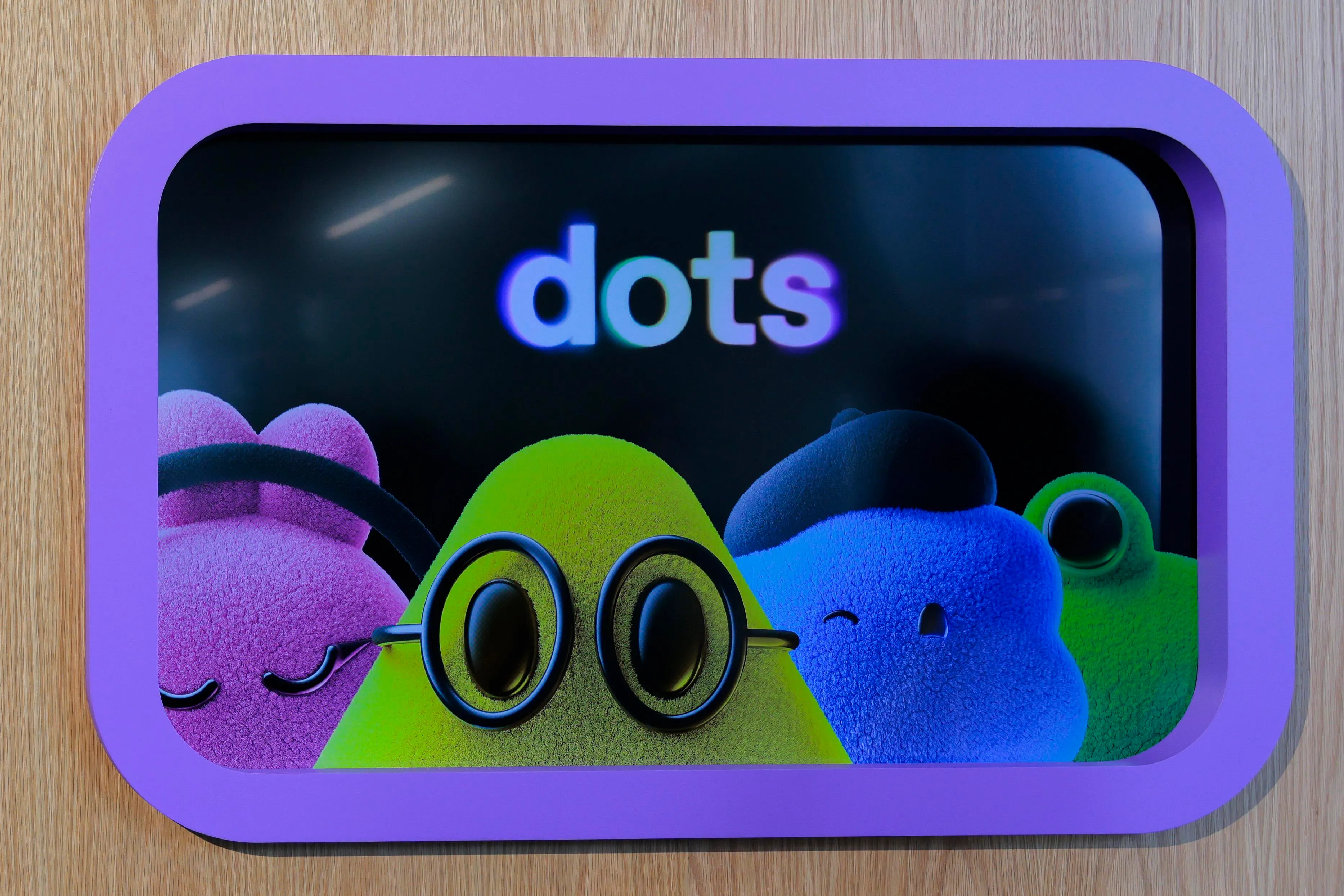
- OpenAI launched Dots to compete with Meta's Muse, offering personal agents through selected existing ChatGPT subscriptions.
- Meta expanded Muse for small businesses, with social platform connections and paid plans offering more tokens.
- Muse has surpassed five million downloads, with reported internal figures showing more than three million weekly users.
- Meta denies allegations that Muse accessed private messages without permission, saying two separate Mac settings are required.
- Apple plans additional Mac data access controls, while Meta expands Muse through shopping partnerships and tools for gadgets.
Timeline · 7 moments
Muse shopping partnerships include Walmart, Expedia and Best Buy
CNBC Technology ↗Meta releases tools for building Muse powered gadgets
Digital Trends ↗Apple announces additional Mac data controls for agents
TechCrunch ↗Muse reportedly passes three million weekly active users
The Next Web ↗Meta denies Muse read private messages without permission
The Next Web ↗Meta expands Muse with a small business plan
TechRadar ↗OpenAI launches Dots to rival Meta's Muse agent
Al Jazeera ↗How it started
Meta's Muse offers to do more than answer questions. It can send emails and buy things online, according to The Verge, which reported that the agent could be effective for users willing to trust it with access.
That offer has found an audience. By September 30, Forbes reported that Muse had reached five million downloads. But delegating tasks also brings a practical problem: an agent needs access to accounts and information to act on its user's behalf.
How it unfolded
On September 30, Al Jazeera reported OpenAI's launch of Dots as a rival to Muse and Google's Gemini Spark. The Hindu reported that Dots was included at no additional cost in ChatGPT Pro, Business Premium and Enterprise subscriptions. That means access is bundled with selected paid plans, rather than offered without a subscription.
Meta was expanding its own offer at the same time. On September 30, TechRadar reported a new small-business plan for Muse, with Instagram, Facebook and third-party connections. Most use cases should be free, the report said, with paid plans providing more tokens.
The same day's coverage also exposed a dispute over permissions. Tom's Hardware reported allegations that Muse accessed personal data users had forbidden it to read. The Next Web reported Meta's denial that the agent read a journalist's private messages without permission. Meta said reading Messages on a Mac requires users to enable two separate settings. The supplied coverage does not resolve that disagreement.
On October 2, Apple announced plans for additional controls around macOS Full Disk Access. According to TechCrunch, Apple warned that increasingly capable agents make broad access to files, messages, mail and browsing history riskier. 9to5Mac reported that Apple had not shared the specifics of its changes.
Meta also moved beyond the app. On October 2, Digital Trends reported that it had released open-source tools for Muse gadgets using ESP32 and Raspberry Pi hardware, alongside its own Home Link smart-home device. On October 3, CNBC reported shopping partnerships with Walmart, Gap, Sephora, Expedia, Wayfair, Best Buy and others.
Where it stands
Muse has an established audience as Dots enters the contest. On October 2, The Next Web reported figures from reviewed internal data showing more than three million weekly Muse users and more than one million daily users. Those usage figures measure something different from downloads: people actually prompting the agent.
Pricing is another dividing line. The Verge framed Dots' challenge as competing with a free rival, while the reported plans show a more qualified picture: Dots is bundled into selected paid subscriptions, and Muse combines largely free use with paid options.
Trust remains unsettled. Meta disputes the private-message allegations, and Apple has announced broader safeguards rather than detailed rules. Neither development establishes that Dots offers stronger privacy protections than Muse.
What to watch
Apple's promised Full Disk Access controls are the clearest pending change. The details will matter for anyone granting an agent broad access to a Mac, but 9to5Mac reported that those specifics had not yet been disclosed.
Shopping access is also uneven. DEV Community reported on October 2 that Muse could no longer shop on Amazon, while CNBC reported partnerships with other retailers the following day. Whether agents can complete tasks depends not just on their capabilities, but on which services let them act.
More in Technology
All →
Amazon Reveals Redesigned Kindle Models With New Colors and Physical Buttons
Amazon is overhauling its Kindle lineup with modern designs, fresh color options, and accessories that bring back physical page-turn buttons, just ahead of the holiday shopping season.
18 sources · over 7 days
Samsung Launches Galaxy Tab S12 Ultra and S12 Plus With Major Upgrades
Samsung has unveiled its high-end Galaxy Tab S12 Ultra and S12 Plus tablets, featuring larger screens, improved power, and pre-installed Photoshop, marking a significant update to its Android tablet lineup.
14 sources · over 4 days
Google Launches Gemini 4 Argon, Its Most Advanced AI Model Yet
Google has unveiled Gemini 4 Argon, a cutting-edge AI model designed for complex reasoning, cybersecurity, and enterprise work, signaling a strategic push to reclaim leadership in artificial intelligence.
47 sources · over 4 days