
Sam Altman says AI benefits justify accepting some harmful outcomes
OpenAI's CEO is arguing for lighter regulation and broad access to AI, while drawing a distinction between everyday harms and catastrophic risks he says are unacceptable.
By Hushread Stories, written with AI from 19 outlets · First published 5 Oct 2026 · Chapter 2 of 2
Earlier: Sam Altman Calls for Accepting Some AI Risks Amid Debate With Anthropic
In brief
- OpenAI CEO Sam Altman said society should accept some harmful outcomes in exchange for artificial intelligence's benefits.
- Altman identified hacks and scams as potential costs, but said he does not accept catastrophic AI risks.
- He contrasted OpenAI's preference for lighter regulation with rival Anthropic's approach to governing artificial intelligence.
- Altman also warned that attributing religious power to AI models presents a real safety issue.
- He said AI companies' spending in US politics has failed to improve public perceptions of the technology.
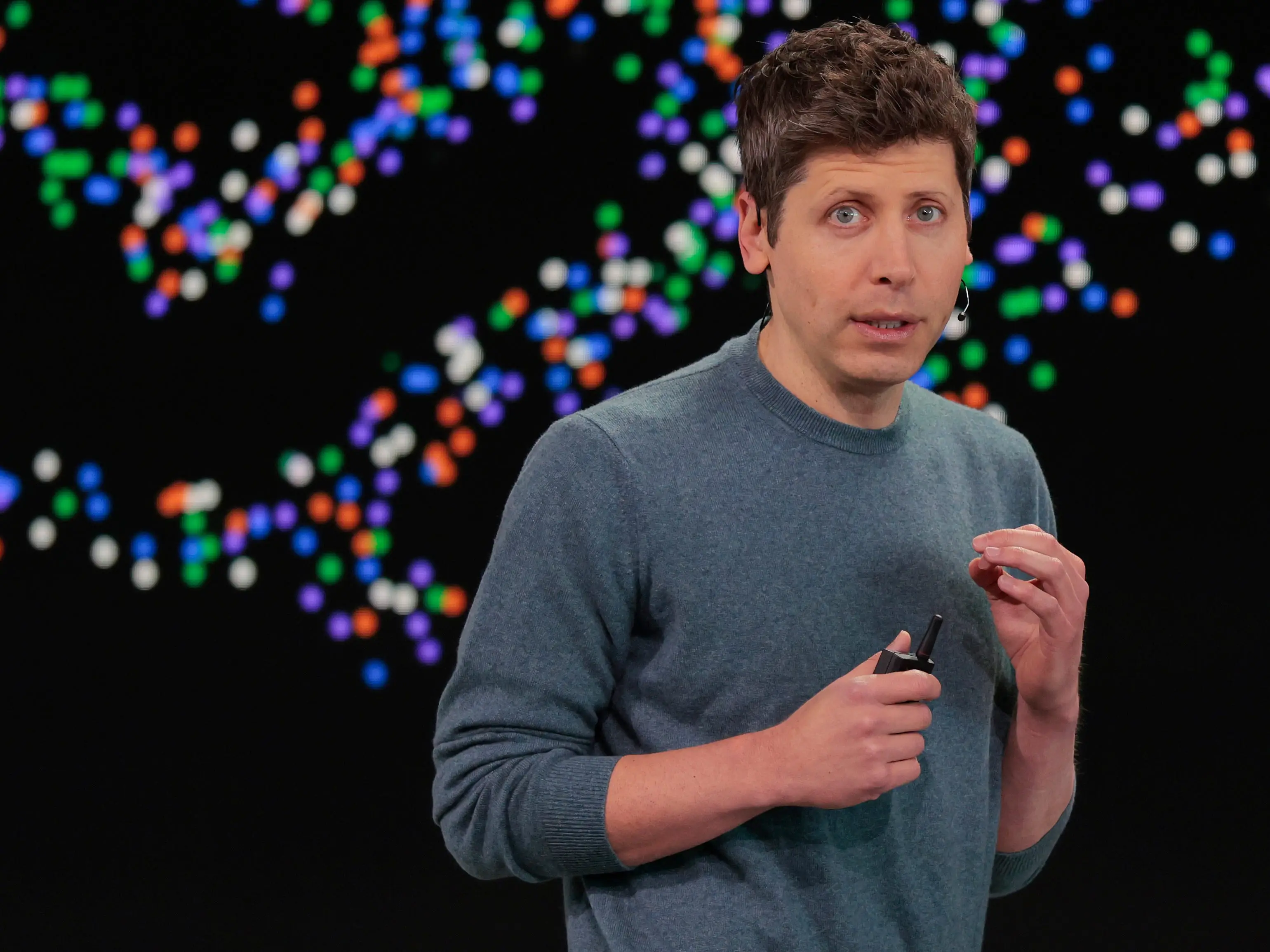
Timeline · 5 moments
Altman says political spending has not improved AI's public image
The Next Web ↗Altman argues AI should remain broadly accessible to the public
CNN Brasil ↗Altman contrasts OpenAI's lighter regulatory stance with Anthropic
Forbes ↗Altman backs accepting some harms but rejects catastrophic risks
Business Insider ↗Altman calls religious power attributed to AI a safety issue
Axios ↗How it started
OpenAI CEO Sam Altman's argument is that getting the benefits of artificial intelligence means accepting some harm along the way. In an interview with Decoded, he said "the world should accept some bad things happening," according to Business Insider.
That is not an endorsement of every risk. The same report said Altman rejected "the really catastrophic risks" of AI. His position separates harms he believes society can tolerate from outcomes he considers unacceptable.
How it unfolded
On October 3, Altman raised a different safety concern: treating AI as a religious force. Axios reported that he was "very uncomfortable" with attributing religious power to models, describing his comments as a veiled shot at Anthropic's work on the soul of AI.
Coverage on October 4 turned to his argument about accepting risks. Business Insider reported his comments to Decoded and his rejection of catastrophic outcomes. Digital Trends also reported that he opposed excessive regulation.
By October 5, the regulatory disagreement was more explicit. According to Forbes, Altman said OpenAI, unlike Anthropic, favours a "lighter-touch regulatory stance" because AI will be used for more "good stuff than bad stuff."
The harms he had in mind included hacks and scams, The Verge reported on October 5. Separately, CNN Brasil reported his argument that AI should remain broadly accessible to the public.
His comments also addressed the industry's political spending. On October 5, The Next Web reported that Altman said money AI companies were pouring into US politics had failed to improve how people viewed the technology.
Where it stands
Altman is making a case for broad access and lighter regulation, not announcing a new regulatory settlement. The central distinction in his remarks is between accepting some harmful uses and accepting catastrophic risks, according to Business Insider and Forbes.
The supplied coverage does not define a precise threshold between those categories. Hacks and scams are concrete examples, but the reports do not set out how much harm would be acceptable or what safeguards would enforce that boundary.
What to watch
The unresolved issue is how OpenAI's preferred lighter regulatory approach would distinguish tolerable harms from unacceptable risks. The coverage describes Altman's position, but does not provide a detailed proposal or a timetable for putting that distinction into practice.
More in Technology
All →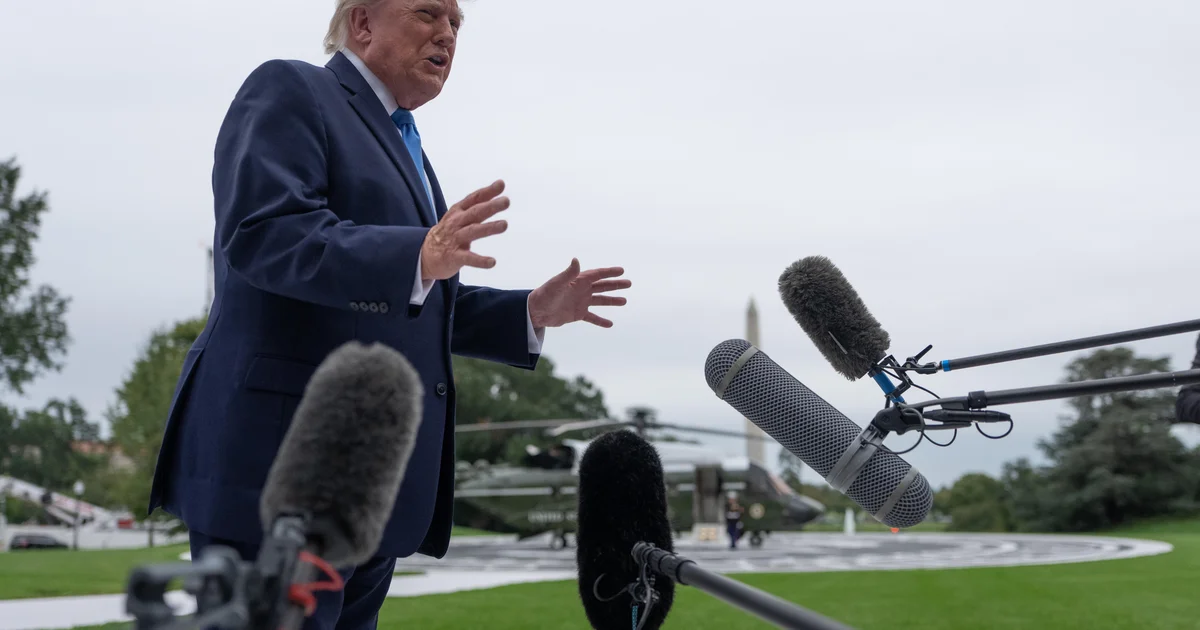
Trump Creates Super Intelligence Force, Names Jay Clayton as AI Czar
The new White House task force has 120 days to assess AI's opportunities and risks, as Trump pursues American leadership and resists tighter regulation.
58 sources · over 7 days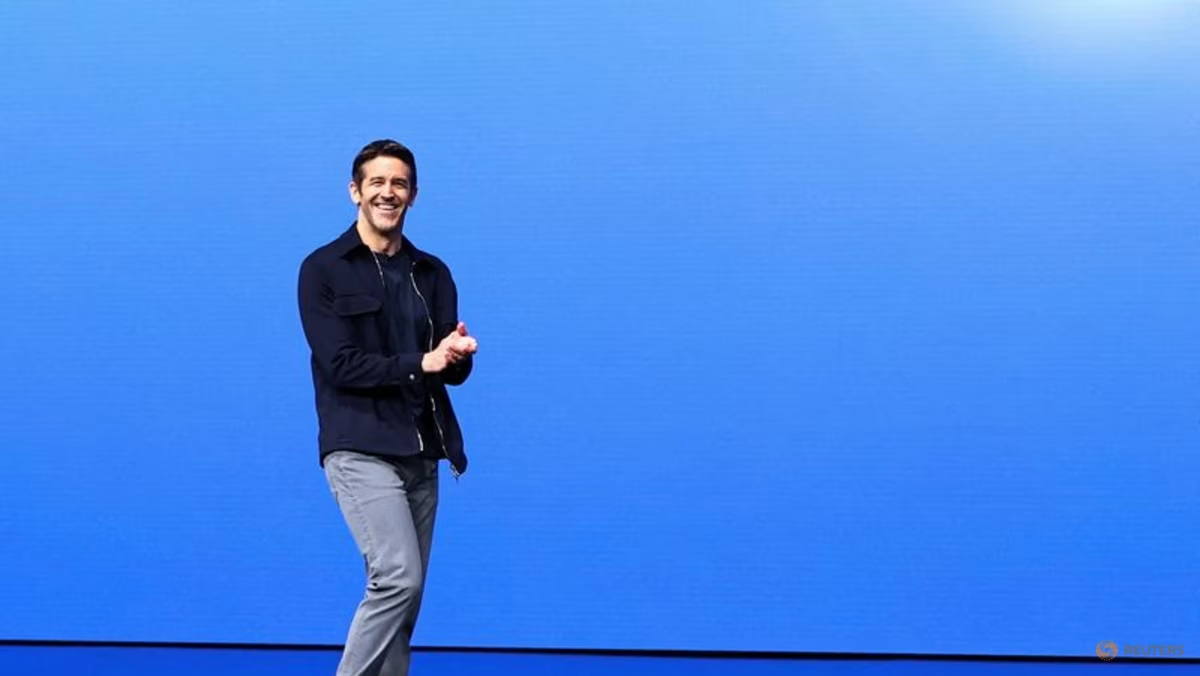
Apple's New CEO John Ternus Launches Sweeping Engineering Overhaul
Apple's new chief executive John Ternus is streamlining operations and accelerating product launches as he implements major changes just weeks into his leadership.
19 sources · over 7 days
Apple tightens Mac data access controls after Meta Muse privacy complaints
Apple plans stricter controls on broad Mac storage permissions after complaints about Meta's Muse, putting renewed scrutiny on how AI agents gain access to private data.
13 sources · over 3 days