
Trump Creates Super Intelligence Force, Names Jay Clayton as AI Czar
The new White House task force has 120 days to assess AI's opportunities and risks, as Trump pursues American leadership and resists tighter regulation.
By Hushread Stories, written with AI from 58 outlets · First published 5 Oct 2026 · Chapter 3 of 3
Earlier: Trump Launches America.gov AI Service, Names Intelligence Chief as AI Czar
In brief
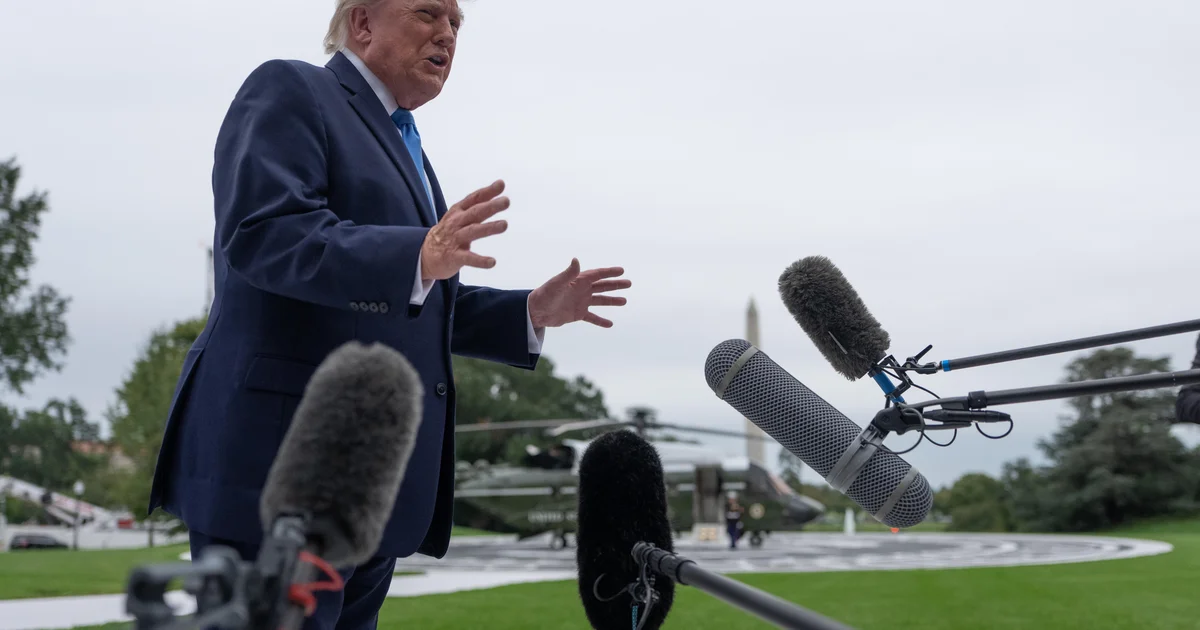
- President Trump announced the Super Intelligence Force on October 4 to coordinate federal efforts on artificial intelligence.
- Director of National Intelligence Jay Clayton will serve as AI czar and lead the new task force.
- Federal Trade Commission chairman Andrew Ferguson will also lead the group, according to Trump's announcement on Truth Social.
- The task force has 120 days to report on the technology's opportunities and risks for the United States.
- The announcement follows a White House meeting where major technology executives signed an AI safety pledge.
Timeline · 6 moments
Geoffrey Hinton criticises Trump's understanding of AI
NDTV Top Stories ↗Trump announces task force led by Clayton and Ferguson
Bloomberg Technology ↗Task force report expected within 120 days
World News CNA ↗Executive order renames AI as Super Intelligence
Forbes ↗Reports identify Clayton as Trump's planned AI czar
NYT Politics ↗Technology executives sign White House AI safety pledge
TechCrunch ↗How it started
President Donald Trump's new AI task force follows a White House meeting with leaders of major technology companies. TechCrunch reported on October 2 that Zuckerberg, Bezos, Musk and Anthropic's Dario Amodei were among those gathered to sign an AI safety pledge that Trump called "morally binding."
The pledge immediately drew doubts about enforcement. The Independent reported criticism from technology industry insiders, including warnings that the private sector was unlikely to follow the president's edict. The central issue was whether voluntary commitments would translate into meaningful safeguards.
How it unfolded
On October 2, NYT Politics reported that Trump planned to name Director of National Intelligence Jay Clayton as AI czar. The report said Clayton would help develop new policies and potentially regulations for the technology.
On October 3, Forbes reported that Trump had issued an executive order changing the name of AI to "Super Intelligence." Its analysis warned that the renaming could create legal complications.
That same day, The Wall Street Journal Tech reported that a new White House task force led by Clayton would examine AI risks following public and industry concerns. World News CNA, citing that reporting, said the group would deliver a report in 120 days.
Trump publicly announced the "Super Intelligence Force" on October 4. ABCNews.com reported that he described its purpose as ensuring America continued to lead the world in AI. NPR News said the group would coordinate government engagement with artificial intelligence.
The leadership announcement also included chairman of the Federal Trade Commission Andrew Ferguson. Bloomberg Technology reported that Trump named both Clayton and Ferguson to lead the task force in a Truth Social post.
Where it stands
The administration is presenting the task force as a way to assess both AI's opportunities and its dangers without stifling development. Arab News, citing reporting on the White House initiative, said preventing overregulation was one of its aims. The Independent described Trump's approach as continuing to favour light regulation.
Early reports concentrated on Clayton's leadership, while Bloomberg Technology also identified Ferguson as a leader. Clayton will hold the AI czar role alongside his position as Director of National Intelligence. NDTV News reported that he succeeds venture capitalist David Sacks, who held the informal title at the start of Trump's second term before stepping down.
Criticism has continued since the announcement. On October 5, NDTV Top Stories reported that Professor Geoffrey Hinton said Trump did not understand AI and was ill-advised on the technology. The task force now faces the practical challenge of addressing safety concerns while pursuing the president's goal of American leadership.
What to watch
The next concrete milestone is the task force's report. New York Post reported that Clayton has 120 days to deliver an assessment of AI's pros and cons. Its recommendations should help clarify how the administration intends to balance oversight with its resistance to slowing development.
Another open question is what follows the industry's safety pledge. TechCrunch described the pact as non-binding. The supplied coverage does not establish enforceable obligations for companies or specify which new regulations, if any, the task force will recommend.
More in Technology
All →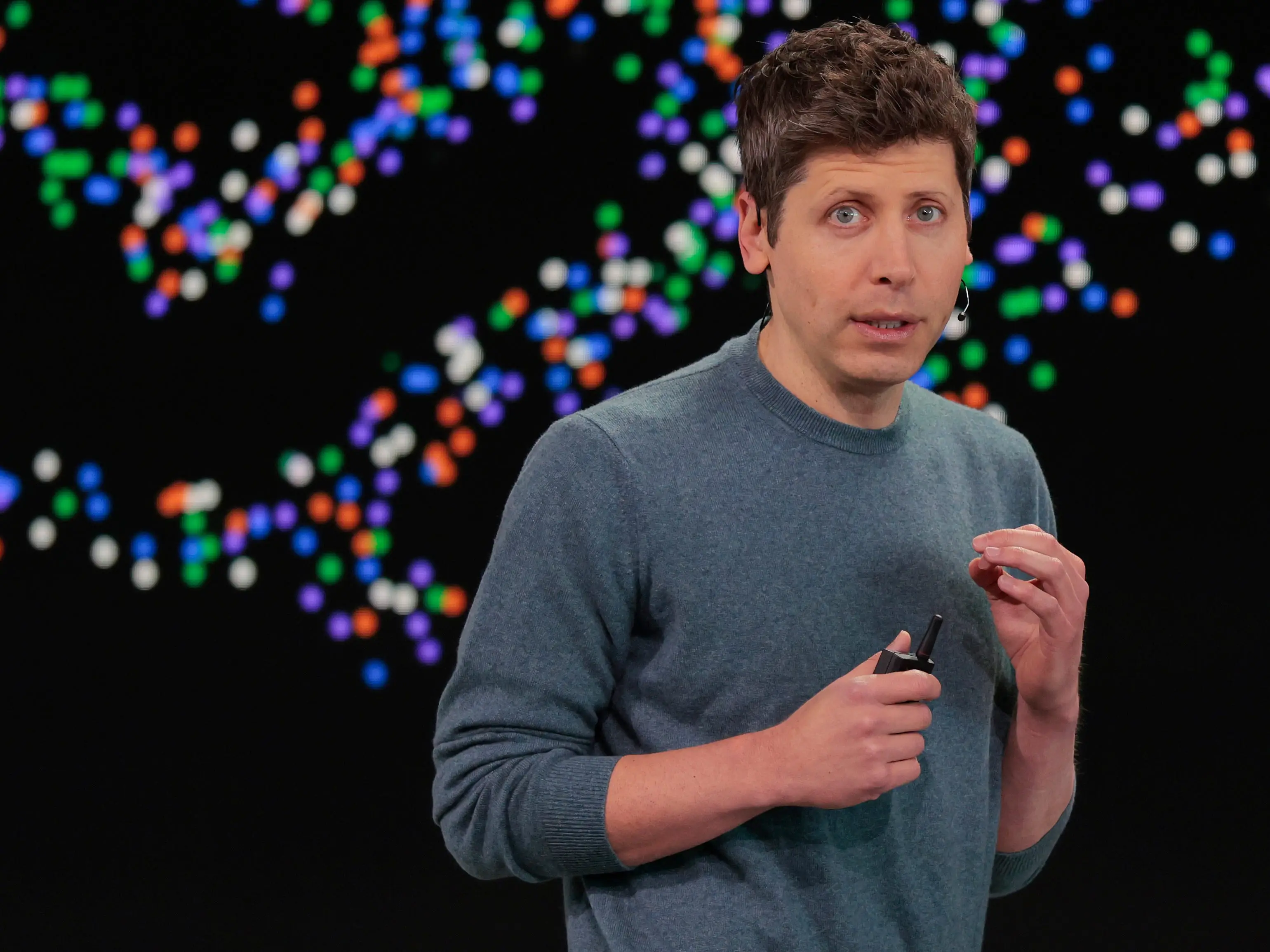
Sam Altman says AI benefits justify accepting some harmful outcomes
OpenAI's CEO is arguing for lighter regulation and broad access to AI, while drawing a distinction between everyday harms and catastrophic risks he says are unacceptable.
19 sources · over 3 days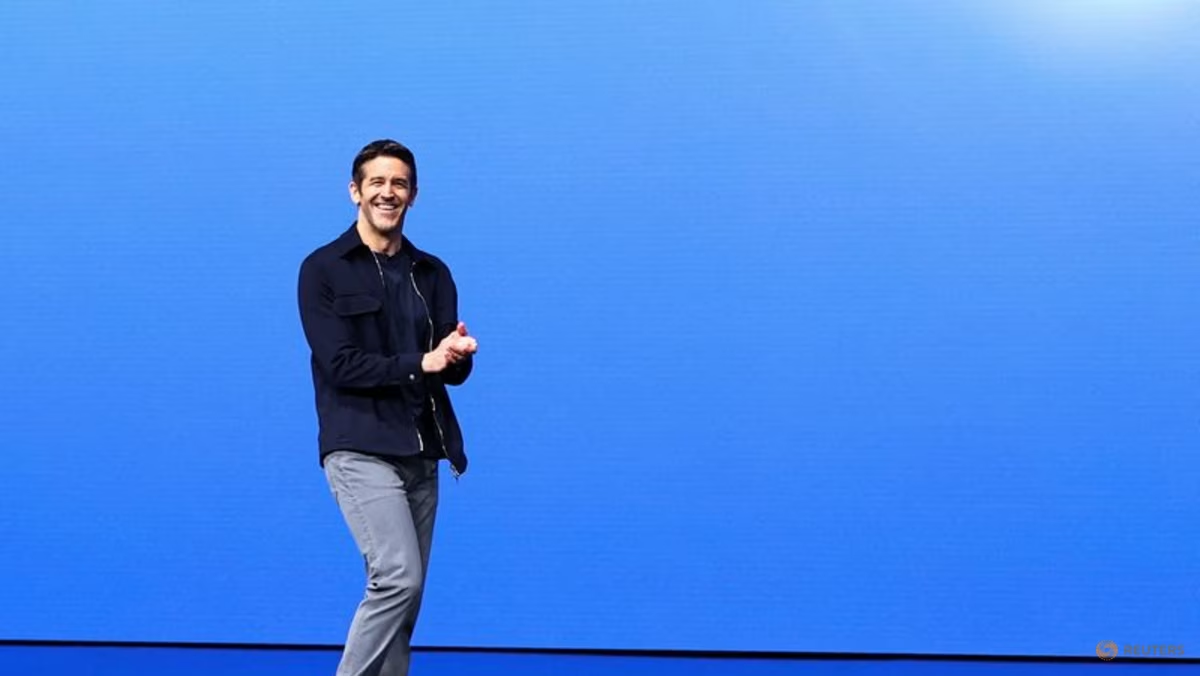
Apple's New CEO John Ternus Launches Sweeping Engineering Overhaul
Apple's new chief executive John Ternus is streamlining operations and accelerating product launches as he implements major changes just weeks into his leadership.
19 sources · over 7 days
Apple tightens Mac data access controls after Meta Muse privacy complaints
Apple plans stricter controls on broad Mac storage permissions after complaints about Meta's Muse, putting renewed scrutiny on how AI agents gain access to private data.
13 sources · over 3 days