
Abdul El-Sayed's Senate Bid Roiled by Apologies and Attacks in Michigan
Abdul El-Sayed's campaign for Michigan's Senate seat faces mounting controversy over remarks about Israel, a synagogue attack, and ongoing disputes with rival JD Vance, raising stakes before November's election.
By Hushread Stories, from 18 outlets · First published 5 Sept 2026
In brief
- Abdul El-Sayed, a Democrat running for Senate in Michigan, has come under fire for past remarks about Israel and a synagogue attack.
- He apologized to Jewish Democrats after criticism that his comments minimized the pain of victims and the Jewish community.
- El-Sayed's association with controversial figure Hasan Piker has drawn calls for him to distance himself completely, which he has so far resisted.
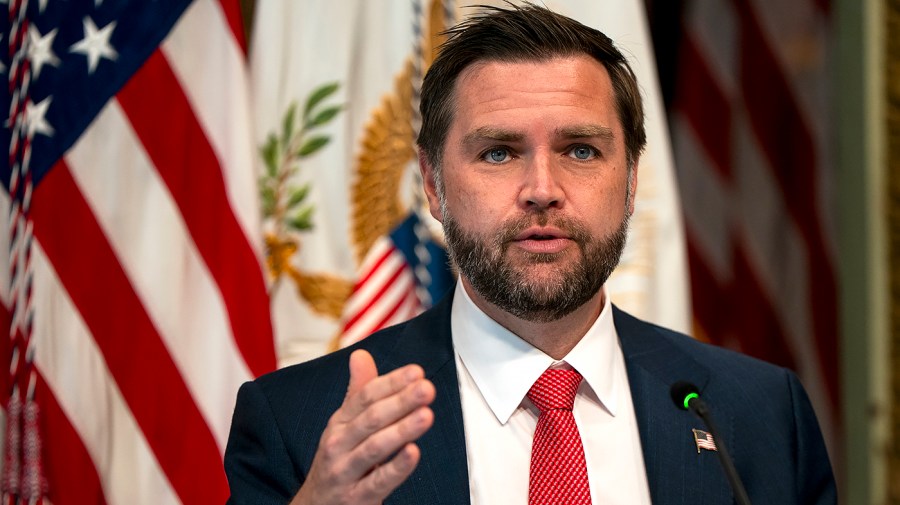
- Vice President JD Vance has escalated personal attacks, calling El-Sayed 'evil' and criticizing him at campaign events in Michigan.
- The controversy has left El-Sayed working to regain support among Jewish voters while the race remains heated and closely watched.
Timeline · 10 moments
Jewish Democrats weigh supporting El-Sayed in tight race
VOX ↗El-Sayed pushes back on 'evil' label, calls out hypocrisy
The Hill ↗El-Sayed defends stance on Piker, opposes cancel culture
Forbes ↗Vance calls El-Sayed 'evil' at campaign rally
The Hill ↗El-Sayed apologizes to Jewish Democrats for synagogue remarks
Time.news ↗Backlash grows over El-Sayed's synagogue attack comments
NYT Politics ↗El-Sayed says he will not campaign with Hasan Piker
The Hill ↗El-Sayed addresses controversy over Hasan Piker association
The Hill ↗El-Sayed rebuts Vance, defends his identity and campaign
Al Jazeera ↗Vance attacks El-Sayed over Sharia remarks in Michigan race
New York Post ↗How it started
Abdul El-Sayed, a Democrat and former Detroit health director, entered Michigan's high-stakes Senate race with progressive credentials. Early in the campaign, scrutiny emerged over remarks he made about Israel and American Jews, as well as his association with political commentator Hasan Piker.
Republican rival JD Vance quickly seized on these issues, framing El-Sayed's views and comments as out of step with traditional Democratic values. The campaign's tone became combative as personal and religious identities entered the debate.
How it unfolded
On August 22, JD Vance criticized El-Sayed's comments on Sharia law and suggested the Democratic Party had changed, according to the New York Post. El-Sayed responded the next day, rejecting Vance's framing and saying his identity was not to blame for the country's problems, as reported by Al Jazeera.
By late August, El-Sayed was facing backlash for his connection to Hasan Piker, who had made controversial remarks about American Jews and Israel. El-Sayed clarified that only he and his spokespeople represented his campaign, emphasizing he would not campaign with Piker and opposing cancel culture, according to The Hill and Forbes.
The controversy deepened after El-Sayed commented on a Michigan synagogue attack, suggesting those hurt are more likely to hurt others. This sparked outrage among Jewish Democrats and led to public apologies from El-Sayed on August 30, as covered by CBS and Time.news. He acknowledged his remarks had been misinterpreted and caused real pain.
While trying to repair relationships with Jewish voters, El-Sayed continued to face criticism from Vance. On August 31, Vance called El-Sayed 'very, very evil' at a rally, a moment widely covered and further escalating tensions. El-Sayed responded by accusing Vance and Trump of hypocrisy and said he would not be drawn into canceling Piker, according to The Hill and Forbes.
Where it stands
El-Sayed is still working to rebuild trust with Jewish Democrats and other key voting blocs. He has apologized multiple times for his remarks and met with party leaders to address concerns. Despite distancing himself from Hasan Piker in terms of campaign appearances, he has refused to issue a blanket condemnation, stating his opposition to cancel culture.
JD Vance and his allies have kept up personal attacks, making the race unusually bitter. Some Jewish Democrats remain undecided, and El-Sayed's efforts to win them over could be decisive in a close contest.
What to watch
With the election approaching, watch for whether El-Sayed's efforts to connect with Jewish voters succeed and whether the controversy over his past comments fades or intensifies. The ongoing feud with JD Vance could further shape public perceptions and impact turnout in Michigan's critical Senate race.
More in Politics
All →
Ramaswamy's Campaign Makes Amy Acton Ad and Plans $4 Million Buy
Vivek Ramaswamy confirmed his campaign produced the attack ad featuring Amy Acton's estranged mother and plans to spend $4 million airing it.
33 sources · over 5 days
Lula and Flávio Bolsonaro Take Brazil's Election Fight From Debate to Court
Days before Brazil's October 25 runoff, the rivals are seeking each other's disqualification after a bitter televised debate, while polls show a closely contested race.
36 sources · over 7 days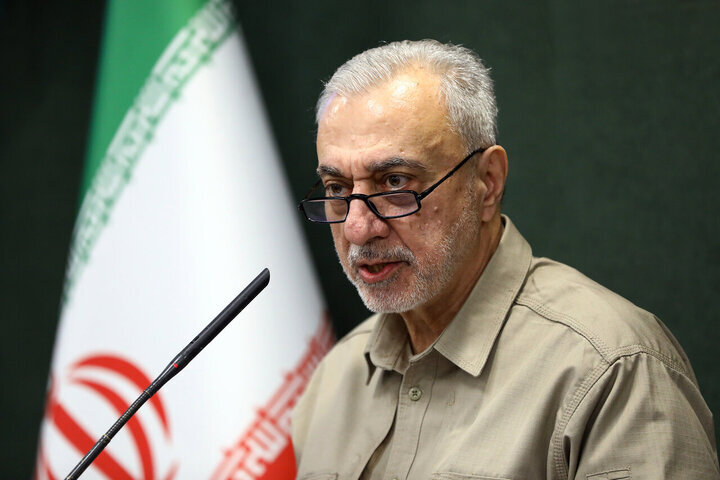
Iran's Parliament Approves Mehrdad Akhlaghi Ketabchi as New Defense Minister
The parliamentary vote confirms a veteran defense industry official as minister after his predecessor's killing, with Akhlaghi already addressing military capabilities and issuing warnings to the United States.
22 sources · over 5 days