
AfD Surge in Polls Sparks Scrutiny of CDU Leader Merz Before Sachsen-Anhalt Election
As the AfD leads polls ahead of the Sachsen-Anhalt election, attention shifts to CDU leader Friedrich Merz's response, with critics questioning his leadership amid warnings from politicians and concerns among minority groups.
By Hushread Stories, from 25 outlets · First published 17 Aug 2026
In brief
- The AfD party is polling at 42 to 43 percent ahead of the September 6 election in Sachsen-Anhalt.
- This represents a 20-point lead over the CDU, raising fears among migrants and minority communities.
- Top politicians, including Angela Merkel, are urging voters to defend democracy against the AfD's rise.
- Mainstream parties refuse to form coalitions with the AfD, intensifying public debate on its potential governance.
- The outcome of the election could significantly impact German politics and responses to the AfD's influence.
Timeline · 6 moments
AfD lead prompts majority to fear for democracy
DER SPIEGEL - Schlagzeilen – Tops ↗AfD surges to 42-43% in latest polls
Time.news ↗CDU's Schulze and AfD's Siegmund face off in campaign
Deutsche Welle ↗Migrants consider leaving over possible AfD win
Japan Times ↗Merkel urges voters to stand up for democracy
Deutsche Welle ↗Pistorius and Özdemir call for AfD ban
ARD Tagesschau ↗How it started
The Alternative for Germany (AfD) party has steadily increased its influence in eastern German states over the past few years. In Sachsen-Anhalt, dissatisfaction with mainstream parties, economic concerns, and debates over migration have fueled the party's rise.
By late August 2026, polls and media reports showed the AfD pulling ahead of traditional parties like the CDU and Greens. Their campaign focused on anti-immigration rhetoric and criticism of government spending, which resonated with many voters in the region.
Public debate intensified as the AfD's chances of leading a state government for the first time became real. This prospect unsettled established politicians and civil society groups.
How it unfolded
On August 28, 2026, leading politicians like Boris Pistorius and Cem Özdemir publicly called for a legal ban on the AfD or its most extreme elements, citing threats to democracy (Financial Times, ARD Tagesschau). The debate over whether to ban the party revealed divisions among Germany's political class.
At the same time, AfD leaders held large public events, using tough language on immigration and deportations. Their candidate, Ulrich Siegmund, presented the party's platform in ways that appealed to local frustrations (DIE WELT, Deutsche Welle).
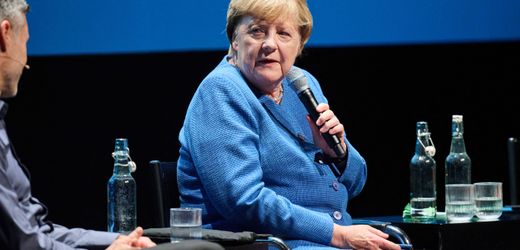
Angela Merkel, the former chancellor, made a rare intervention on August 29, urging voters to defend democracy and warning of the risks if the AfD won. She spoke at cultural and public events, saying the party was dominating political conversations and calling for civic engagement (Deutsche Welle, DER SPIEGEL).
Chancellor Friedrich Merz and CDU state premier Sven Schulze also entered the campaign, warning of economic harm if the AfD formed a government. Merz ruled out any coalition with the AfD or the Left, but his warnings did not energize local audiences (DIE ZEIT, Deutschlandfunk, DER SPIEGEL).
By September 1, polls showed the AfD with 42 to 43 percent support in Sachsen-Anhalt, a 20-point lead over the CDU. Reports described anxiety among migrants and minorities, with some considering leaving the state if the AfD wins (Time.news, Japan Times).
Where it stands
The election is scheduled for September 6, 2026. The AfD is on track for a historic victory, with some polls projecting up to 43 percent of the vote. This would make them the strongest party by a wide margin and could allow them to form a state government for the first time.
Public debate remains heated. Mainstream parties are refusing any coalition with the AfD. Civil society groups, religious leaders, and former officials are urging voters to support democracy and reject extremism. Meanwhile, AfD supporters are energized, and some residents fear for their future in the region.
What to watch
The key question is whether the AfD can convert its poll lead into an outright majority or form a government through alliances. The reaction from Berlin and the rest of Germany, especially if the AfD wins, will be closely watched. Legal and political responses to the party's rise could shape German politics for years to come.
More in Politics
All →
Trump Backs Ramaswamy Ad as Ohio Governor Calls for Its Removal
An attack ad featuring Amy Acton's estranged mother has split Republicans, with President Donald Trump defending it as Ohio Gov. Mike DeWine urges its removal before November's election.
36 sources · over 5 days
Milei's Madrid Visit Sparks Sánchez Clash as Argentine Opposition Seeks Unity
Javier Milei's attacks on Pedro Sánchez turned his Madrid visit into a political confrontation, while Argentina's opposition moved toward a common congressional strategy ahead of the 2027 elections.
13 sources · over 6 days
Lula and Flávio Bolsonaro Take Brazil's Election Fight From Debate to Court
Days before Brazil's October 25 runoff, the rivals are seeking each other's disqualification after a bitter televised debate, while polls show a closely contested race.
37 sources · over 8 days