
Andy Burnham's First Week as UK Prime Minister: Promises, Pressure, and Parliament
Andy Burnham's debut as UK Prime Minister has brought pledges of public ownership and devolution, but he now faces immediate scrutiny from MPs, economic turbulence, and high expectations across the political spectrum.
By Hushread Stories, from 14 outlets · First published 25 Aug 2026
In brief
- Andy Burnham became the UK's Prime Minister amid political upheaval, promising public ownership and regional power.
- In his first week, nearly 100 Labour MPs urged for a national commission on electoral reform, increasing pressure on Burnham.
- Burnham pledged 70,000 new council homes, the largest effort since the post-war period, amid rising borrowing costs.
- He faced his first Prime Minister's Questions, addressing economic policy and fiscal responsibility under scrutiny from opposition parties.
- The upcoming budget on October 28 will be crucial for Burnham's government to balance ambitious plans with economic realities.
Timeline · 8 moments
Burnham tries to calm bond market fears
Guardian Politics ↗Burnham blames rising debt costs on Tories at first PMQs
PA Media: UK News ↗Burnham announces major new council house building programme
The Conversation ↗Burnham faces Parliament amid economic scrutiny
Time.news ↗Burnham blames Brexit, Thatcher for UK's 'wrong turns'
Latest news, sport and opinion from the Guardian ↗Burnham promises more devolution, public control in Commons debut
BBC ↗Burnham prepares for tough debates as Parliament returns
BBC ↗Labour MPs push Burnham to back voting reform
Guardian Politics ↗How it started
Andy Burnham became the UK's new Prime Minister after a period of political upheaval in the Labour Party. His appointment marked a break from his predecessor, Keir Starmer, with Burnham promising a more ambitious approach focused on public ownership and regional power.
Early statements from Burnham signaled a desire to reverse what he called decades of "wrong turns" in British politics. He pointed to the impact of Brexit and Margaret Thatcher's policies as root causes of the country's economic and social challenges, according to The Guardian.
From the outset, Burnham has faced high public expectations, with Labour's polling numbers rising since he took office, as reported by The Independent. However, internal party debates and media scrutiny quickly followed, especially over his leadership style and ability to deliver on bold promises.
How it unfolded
In his first week, Burnham was immediately pressed on voting reform. Almost 100 Labour MPs pushed for a national commission to consider changes to the electoral system, putting early pressure on his leadership, according to The Guardian (2026-08-25).
Ahead of Parliament's return, Burnham's popularity was contrasted with warnings from political opponents that the honeymoon period would not last. The Daily Mail noted that Burnham faced skepticism from within his own party as well as outside it.
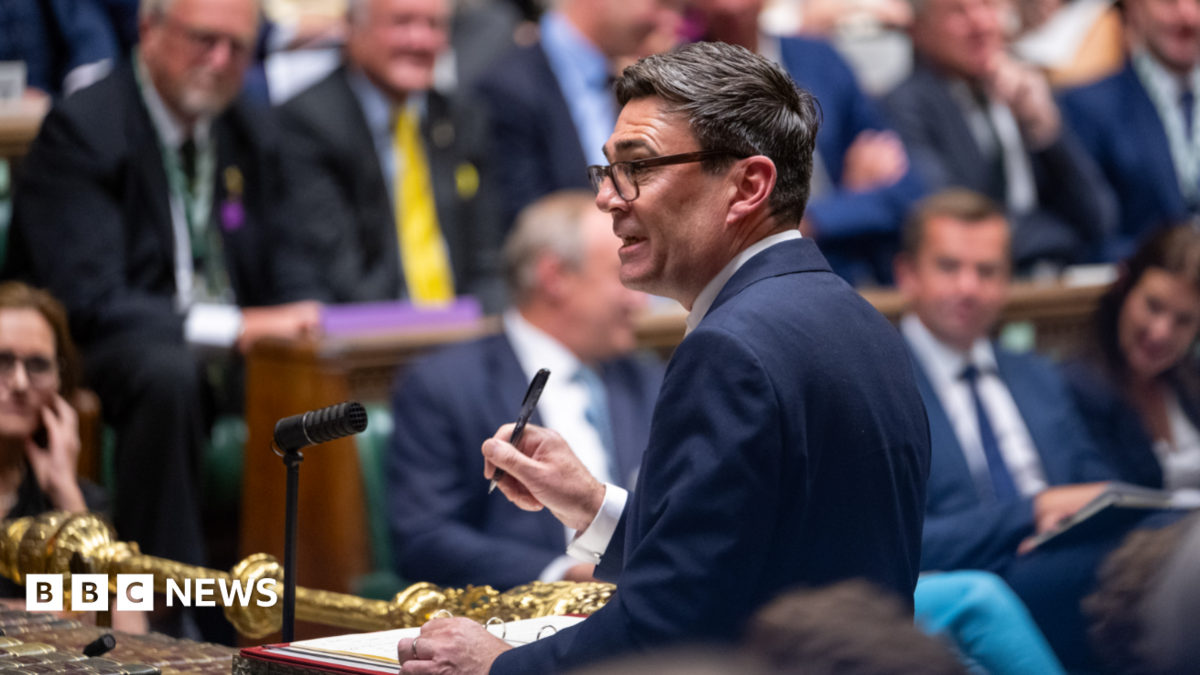
On August 31, Burnham made his first speech in the House of Commons as Prime Minister. He pledged stronger public control over essential services like water and energy, and argued that decades of policy mistakes had left the UK struggling. The BBC highlighted his commitment to devolution and his criticism of previous Conservative governments.
As Parliament reconvened, Burnham faced his first Prime Minister's Questions session. He was questioned about economic policy, military commitments, and how he would fund new initiatives. According to PA Media, he blamed rising UK debt costs on Conservative management and promised that his government would focus on fiscal responsibility. The Financial Times reported that surging borrowing costs and concerns in the bond markets added further pressure ahead of the crucial autumn budget.
Burnham also announced a major new council house building programme, pledging 70,000 new homes in what he called the largest effort since the post-war period, as covered by The Conversation.
Where it stands
Andy Burnham's first week as Prime Minister has been a mix of confident pledges and immediate challenges. He has outlined ambitious plans for public ownership and regional devolution while facing sharp questions about economic management and party unity.
With Parliament back in session, Burnham's government is under scrutiny from both opposition parties and Labour backbenchers. Rising borrowing costs and the upcoming budget are testing his ability to balance bold promises with fiscal constraints.
What to watch
The next major test for Burnham will be the budget scheduled for October 28. How he and Chancellor John Healey address economic pressures and fund their policy commitments will shape public and political confidence in the new government.
Debates over electoral reform and further details on public ownership are likely to dominate the coming weeks, as Burnham tries to maintain party unity and deliver on his pledges.
More in Politics
All →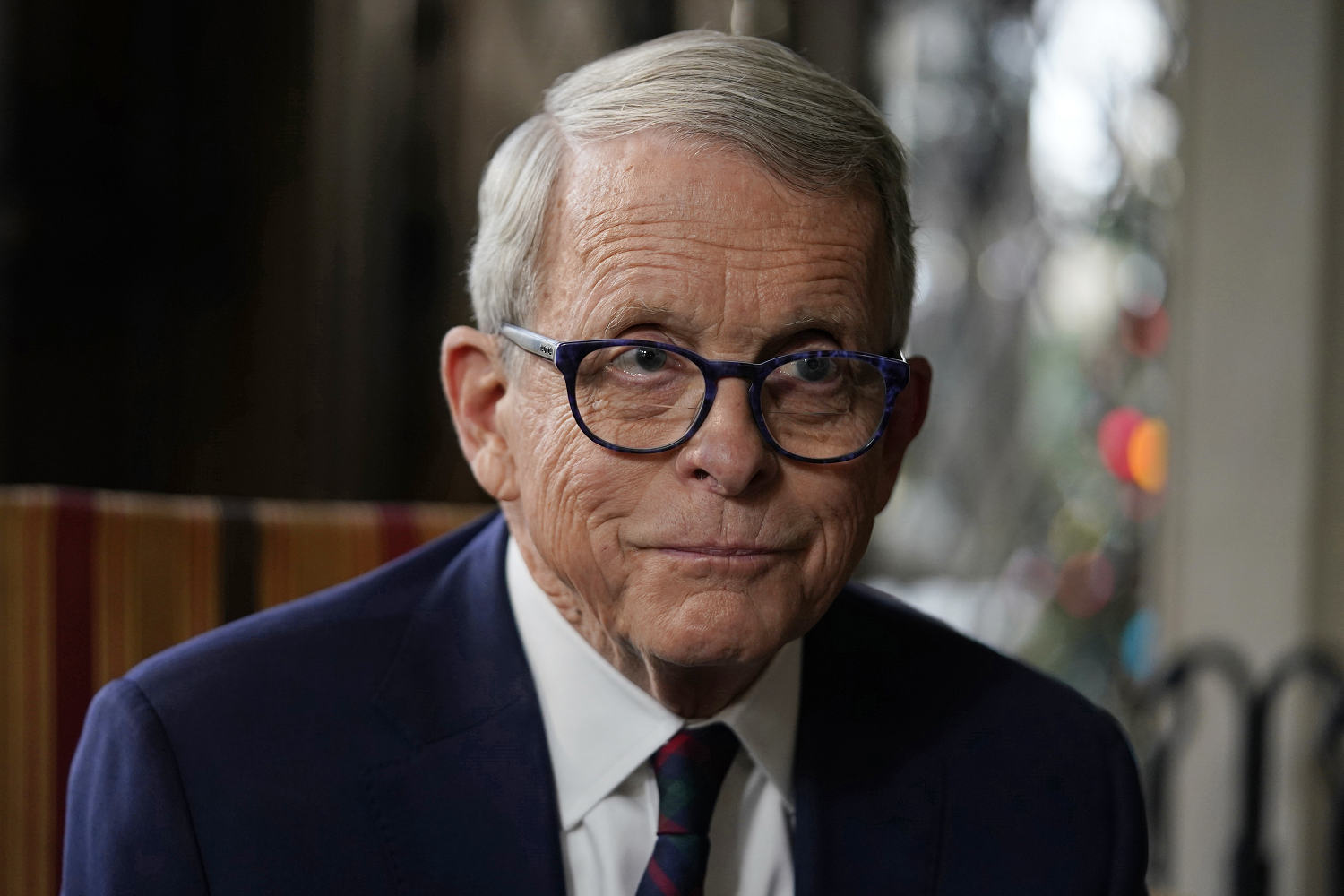
Trump Backs Ramaswamy Ad as Ohio Governor Calls for Its Removal
An attack ad featuring Amy Acton's estranged mother has split Republicans, with President Donald Trump defending it as Ohio Gov. Mike DeWine urges its removal before November's election.
36 sources · over 5 days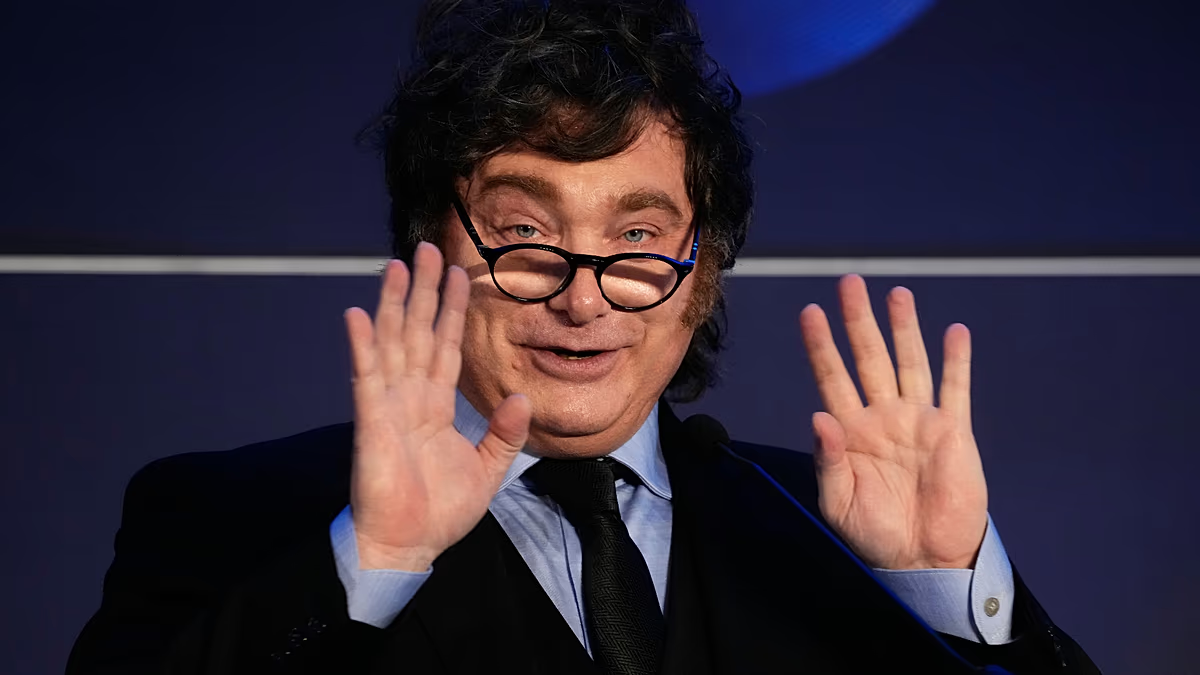
Milei's Madrid Visit Sparks Sánchez Clash as Argentine Opposition Seeks Unity
Javier Milei's attacks on Pedro Sánchez turned his Madrid visit into a political confrontation, while Argentina's opposition moved toward a common congressional strategy ahead of the 2027 elections.
13 sources · over 6 days
Lula and Flávio Bolsonaro Take Brazil's Election Fight From Debate to Court
Days before Brazil's October 25 runoff, the rivals are seeking each other's disqualification after a bitter televised debate, while polls show a closely contested race.
37 sources · over 8 days