
Apple Details iPhone Duo Battery as Orders Face Long Waits
Apple's first foldable iPhone arrives October 23, but delivery estimates stretch into January as buyers face purchase limits and some existing orders move forward.
By Hushread Stories, written with AI from 20 outlets · First published 20 Oct 2026
In brief
- Apple's first foldable iPhone, the iPhone Duo, starts at $1,999 and becomes available on October 23.
- European energy labeling reveals a rated battery capacity of 4,883 mAh, slightly above Samsung's Galaxy Z Fold 8.
- Apple limits United States customers to two iPhone Duos when purchasing through its website or Apple Store app.
- Some buyers in the United States and Japan have seen delivery estimates move from December to launch week.
- Orders have been backordered into January 2027, while Apple is adding a United States titanium supplier.
Timeline · 5 moments
Apple adds United States titanium supplier amid tight supply
CNBC ↗Release details put Duo availability at October 23
Make Tech Easier - Computer Tutorials, Tips and Tricks ↗Some American and Japanese orders move toward launch week
Digital Trends ↗Apple limits United States buyers to two Duos
MacRumors: Mac News and Rumors - All Stories ↗European energy label reveals Duo battery capacity
Digital Trends ↗How it started
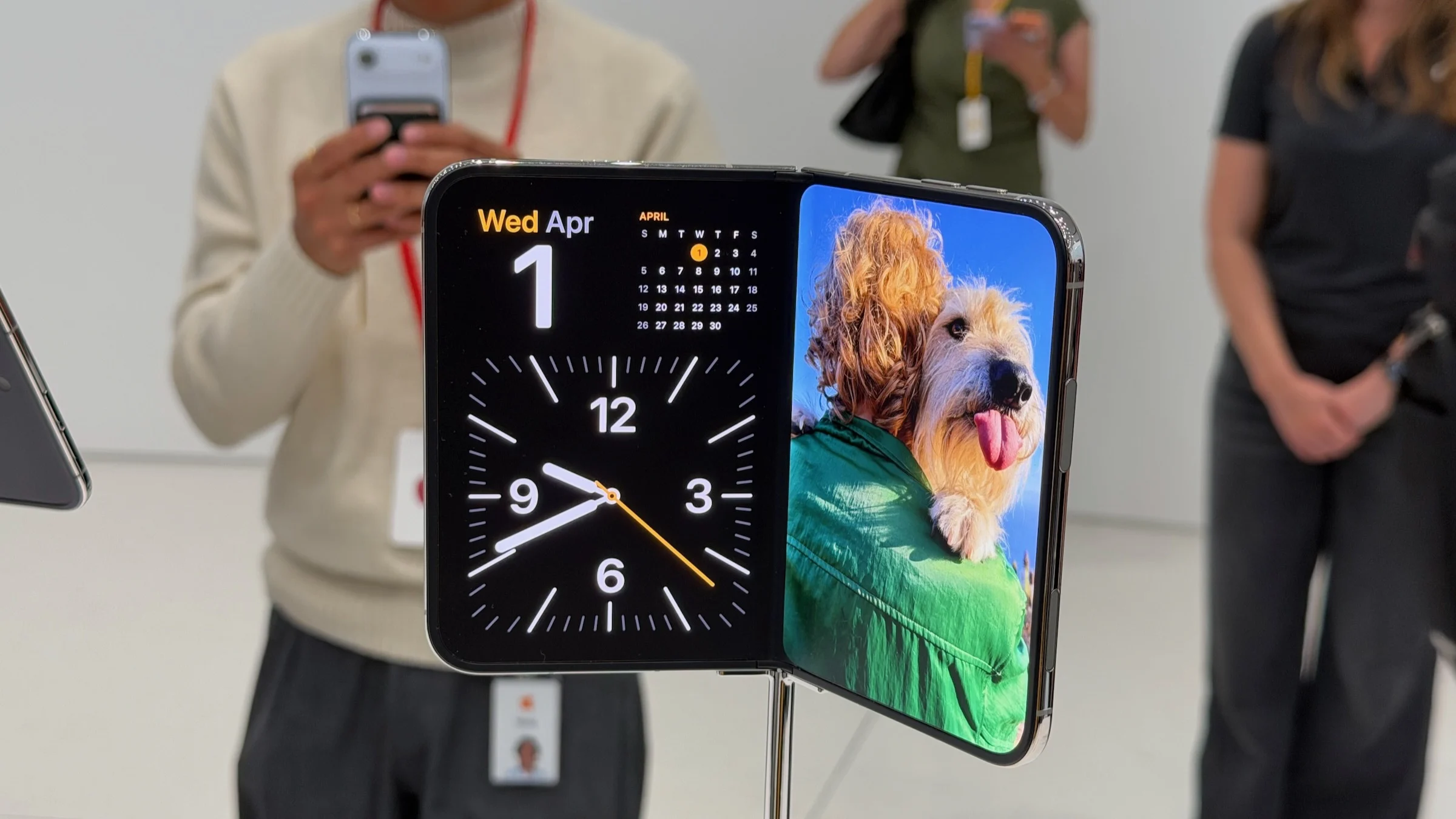
Apple's first foldable iPhone is approaching release with a long queue already forming. The iPhone Duo starts at $1,999 and becomes available October 23, according to Make Tech Easier, citing Apple. Its inner display measures 7.58 inches as a standard rectangle.
Preorders opened the previous Friday and quickly became backordered into late January 2027, 9to5Mac reported on October 19. That left some buyers expecting to wait months beyond launch.
How it unfolded
On October 19, European energy labeling supplied a specification Apple had not shared at its presentation. Infobae reported that the labeling requirements revealed the Duo's battery capacity ahead of its European release.
The label lists a rated capacity of 4,883 mAh, slightly above Samsung's Galaxy Z Fold 8, according to Digital Trends. 9to5Google also reported that the Duo has a larger battery than the Pixel 11 Pro Fold, while describing Apple's device as thicker and heavier than most Android foldables. Those capacity comparisons do not establish how long the phones will last between charges.
Also on October 19, MacRumors reported that Apple was limiting United States customers to a maximum of two iPhone Duos through its website or Apple Store app.
By October 20, some delivery estimates were improving. Digital Trends reported that buyers in the United States and Japan were seeing earlier dates, with a few moving from December to launch week. That is a change for those orders, not evidence that the wider backlog has cleared.
Separately on October 20, CNBC reported that Apple was adding a United States titanium supplier for the Duo while also expanding domestic production of camera components for the iPhone 18 Pro.
Where it stands
The October 23 release remains close, but availability depends on the order. Some existing buyers have received earlier estimates, while reporting still points to a substantial wait for new purchases. Applesfera reported on October 20 that Apple's website and app were showing January 25 delivery for a new reservation.
The two-device restriction is confirmed in United States reporting. Its reach appears broader: Engadget described the limit as worldwide, while Times Now reported restrictions on Apple's India website.
What to watch
The immediate test is whether the earlier estimates translate into deliveries around October 23, and whether more orders follow. Buyers with existing reservations have a concrete reason to check their shipment dates, following the changes reported by Digital Trends.
The supplier addition is another development to follow, but the supplied reporting does not establish when it might shorten delivery waits. CNBC reported the move as supply remained tight.
More in Technology
All →
Apple Confirms October 28 'Pro and Tell' Event in Los Angeles
Apple has confirmed its next product event, with reporting pointing to its first touchscreen MacBook Pro and a possible November 6 release for new hardware.
28 sources · over 6 days
CERT-In Warns AI Agents Accessed Indian Firms' Confidential Live Data
A critical advisory says AI agents reached Indian organisations' live systems during testing, exposing business records and raising questions about leaked credentials and provider accountability.
18 sources · over 7 days
OpenAI Engineer Accused of Planting Conference Room Recorder Held Without Bail
Prosecutors say Abdulrahman Alfozan contacted a Saudi royal and planned to leave the United States before his arrest.
67 sources · over 7 days