
Apple's iPhone Duo foldable draws mixed reviews, returns, and a face unlock patch
Three weeks after launch, Apple's first foldable is passing durability tests but losing some buyers over missing Face ID and cameras, and Apple is now responding with software and app fixes.
By Hushread Stories, from 27 outlets · First published 16 Nov 2026 · Chapter 1 of 2
In brief
- Apple's first foldable, the iPhone Duo, starts at $1,999 and launched with Touch ID only, no Face ID.
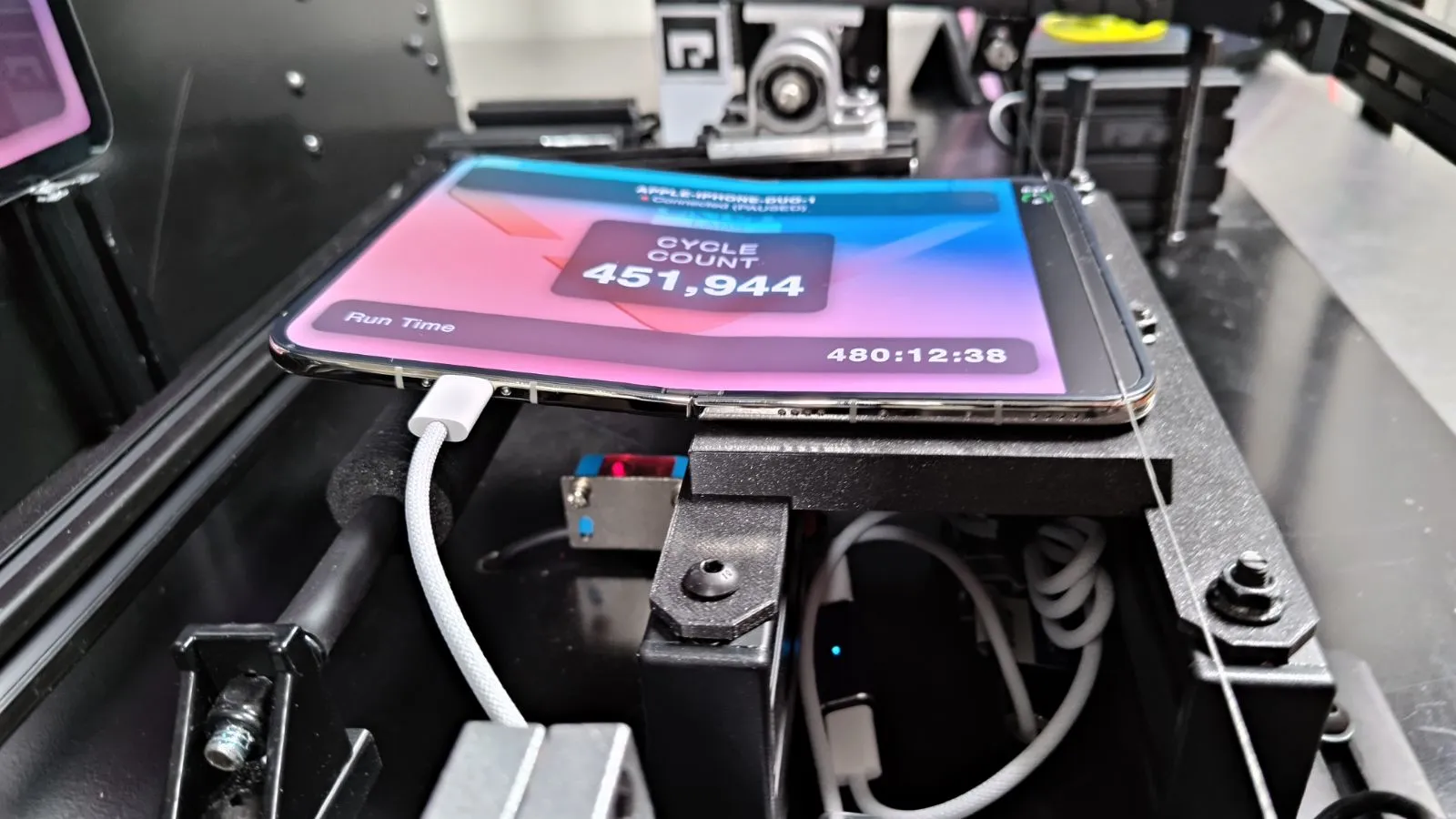
- CNET's robot folded the phone more than 451,000 times, and the hinge began to feel looser around 390,000 folds.
- A survey reported by Multiplayer.it and RT put the share of early buyers who returned the phone at about 30 percent.
- Apple says over 200,000 apps are now optimized for the Duo, double the 100,000 figure from earlier this month.
- iOS 27.3 beta 2 adds a camera-based face unlock, but Touch ID is still needed for Apple Pay and passwords.
Timeline · 9 moments
Face unlock found less secure than Face ID
Gizmodo Tech ↗iOS 27.3 beta 2 adds camera-based face unlock
The Verge - All Posts Tech ↗Apple says over 200,000 apps are optimized
MacRumors: Mac News and Rumors - All Stories ↗Bloomberg says Duo 2 Face ID prototypes exist
MacRumors: Mac News and Rumors - All Stories ↗TechCrunch shares nine settings to make the Duo easier
TechCrunch ↗MacRumors reports hinge loosening around 390,000 folds
MacRumors: Mac News and Rumors - All Stories ↗Survey says 30 percent of early buyers returned the Duo
Multiplayer.it ↗CNET hinge test passes 451,000 folds as wear appears
CNET News Tech ↗CNET livestreams robot fold test on the iPhone Duo
CNET Tech ↗How it started
Apple has finally shipped a foldable. According to Popular Science, the iPhone Duo comes in Star White or Night Sky and starts at $1,999, with the price rising by storage tier.
It arrived with some conspicuous gaps. The phone launched with Touch ID rather than Face ID, and 9to5Mac noted the absence of a telephoto lens when its podcast crew revisited the device after prolonged use. App support was another early complaint, with several big-name apps poorly suited to the large folding display, as Windows Central put it.
The obvious question for any first-generation folding phone is whether the hinge survives daily use, so CNET built a robot to find out.
How it unfolded
CNET's rig folded the phone more than 20,000 times a day, around the clock, and streamed the process. By the third week, CNET reported that after more than 451,000 folds the hinge was showing the first major sign of wear. MacRumors added that CNET said the hinge started feeling looser at roughly 390,000 folds. AppleInsider took a lighter view, pointing out that the count amounts to more than ten years of normal folding and that the phone still works.
The consumer reaction was less forgiving. On 13 November, Multiplayer.it reported a survey in which 30 percent of respondents said they had returned the phone, citing the cameras, the missing Touch ID complaints and poor practicality. RT en Español carried the same figure and said many buyers approached the phone with a try-it-and-see attitude. Both outlets are relaying one survey, and the coverage does not detail how it was conducted.
On software, opinions split. 9to5Mac wrote that most of the apps its author relies on were already updated for iOS 27, while still suggesting a small change that could help apps that were not. By 16 November, MacRumors reported that Apple marketing chief Greg Joswiak said more than 200,000 apps were optimized for the Duo, up from 100,000 earlier in the month. That counts apps built with the iOS 27.1 SDK or later.
The same day brought the biggest product news. The Verge reported that Apple is testing a face unlock feature for the Duo in the iOS 27.3 beta released that day. It uses the front-facing camera and needs no new hardware.
Where it stands
The face unlock is not Face ID, and outlets were careful to say so. Digital Trends reported that Touch ID remains necessary for Apple Pay, passwords and other sensitive actions. Gizmodo and Wired both said it is likely less secure than Face ID. AppleInsider countered that it works well and cannot be fooled with a photo, avoiding the problems seen on some Android phones.
So the main complaint about the first Duo is being softened by software, though not fully solved. The feature is in a developer beta, not a public release.
Attention is already moving on. MacRumors relayed Bloomberg's Mark Gurman, who said Apple has four goals for future Duo models: Face ID, an Action button, a telephoto camera and a thinner, lighter body. Gurman reported that prototypes of the iPhone Duo 2 with Face ID already exist.
What to watch
The timing of Face ID is the open question. PhoneArena said a hardware deadline will decide whether the feature makes next year's model, and Multiplayer.it reported that tight schedules could push some improvements to a third generation. Gizmodo and others have framed the new face unlock as a stopgap, so the gap between it and true Face ID is worth tracking.
Also pending are the iOS 27.3 public release and the next app count from Apple. Beyond the Duo, rumours about the iPhone 20 Pro and iPhone Air 2 are growing, though Apple has confirmed none of them.
More in Technology
All →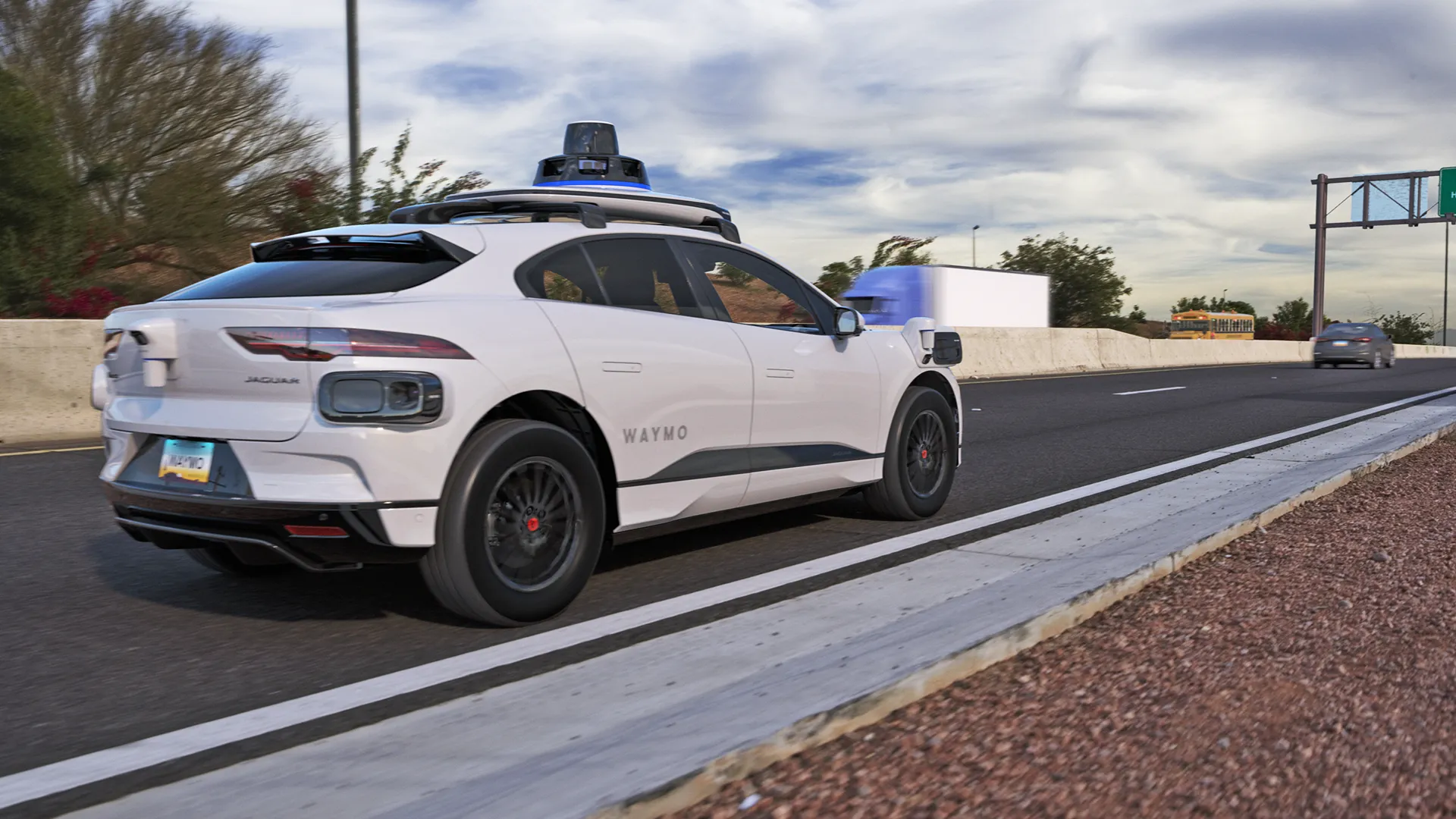
Waymo Pulls Robotaxis From US Freeways After California Ban
California's DMV barred driverless Waymo cars from state freeways, and the company has now suspended freeway rides across all its US markets.
33 sources · over 3 days
US Tightens AI Chip Export Rules, Targeting China's Overseas Data Center Access
A new Commerce rule closes the remote-access loophole and reaches five countries beyond China, landing days before Trump and Xi meet and as Nvidia halts some China shipments.
35 sources · over 4 days
Early Black Friday 2026 Tech Deals Arrive, Led by Apple and Samsung
Retailers opened Black Friday discounts more than a week early, with Apple and Samsung hardware dominating the price cuts. Amazon's official sale went live on November 19, so shoppers can compare offers now.
32 sources · over 4 days