
Army Secretary Dan Driscoll Resigns After Prolonged Tensions With Defense Chief
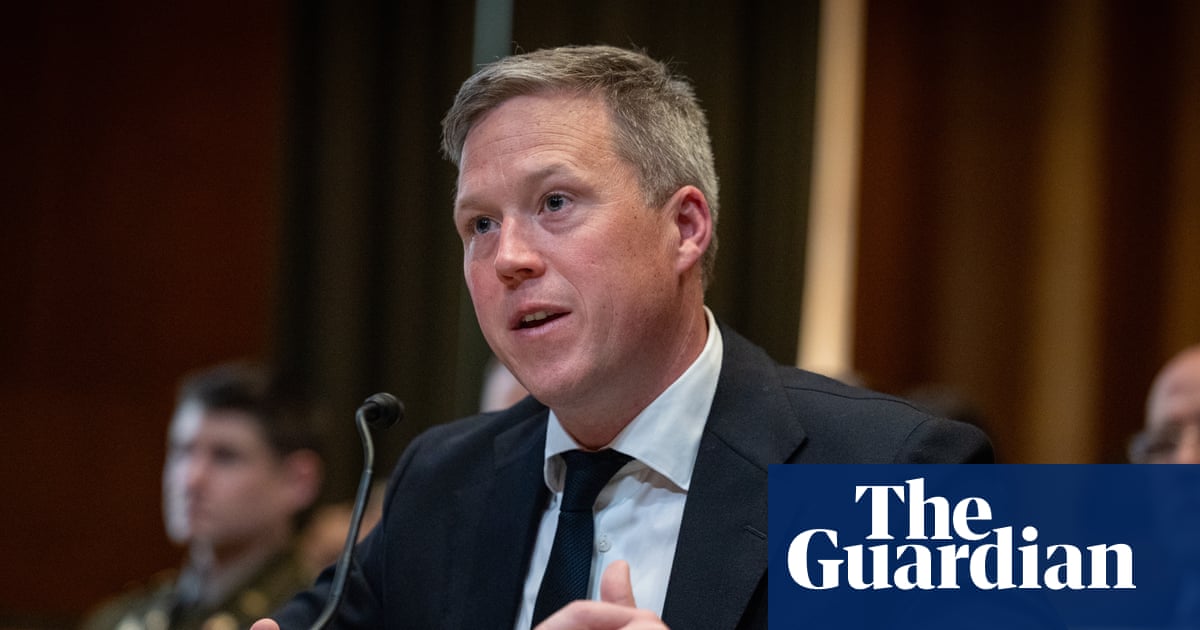
Dan Driscoll's resignation as US Army Secretary, following months of clashes with Defense Secretary Pete Hegseth and a series of senior Pentagon departures, leaves the Army leadership in flux during ongoing military conflicts.
By Hushread Stories, from 41 outlets · First published 31 Aug 2026
In brief
- Dan Driscoll resigned as US Army Secretary on August 31, 2026, after 18 months in the role.
- His departure follows ongoing tensions with Defense Secretary Pete Hegseth and a series of high-profile Pentagon exits.
- The Army currently lacks a permanent secretary and other key leadership positions amid ongoing military conflicts in Iran and Ukraine.
- Concerns are rising among lawmakers about Hegseth's management and the potential impact on military operations.
- The Biden administration has yet to announce a replacement for Driscoll, raising questions about future leadership stability.
Timeline · 8 moments
Pentagon chaos deepens after Driscoll quits in clash with Hegseth
Financial Times ↗Driscoll breaks silence after resigning as Army secretary
The Hill ↗Driscoll resigns amid reported tensions with Hegseth
Bloomberg ↗US Army's top civilian leader resigns as it grapples with two wars
Sydney Morning Herald ↗Hegseth's Pentagon faces more departures after Driscoll exit
The Atlantic ↗Army secretary resigns after tension with Hegseth
Politico ↗Driscoll resigns after 18 months amid Pentagon tensions
South China Morning Post ↗Army Secretary Dan Driscoll expected to resign soon
NBC News ↗How it started
Dan Driscoll became US Army Secretary in early 2025, after Senate confirmation, and was seen as a close ally of Vice President JD Vance, according to DIE ZEIT and DER SPIEGEL. He was known for supporting Army modernization and had a reputation for bipartisan respect, NBC News reported.
Tensions between Driscoll and Defense Secretary Pete Hegseth began to surface over the direction of Army leadership and policy. Hegseth, a controversial Trump appointee, drew criticism for his lack of defense experience and for bringing in MAGA-aligned influencers, The Atlantic noted. Disagreements grew over firings of senior officers and the Army's priorities, Politico and The Hill reported.
As the Trump administration entered its second term, the Pentagon saw a wave of leadership changes. Driscoll's relationship with Hegseth became increasingly strained, especially following the removal of Army Chief of Staff Gen. Randy George, as detailed by World News CNA.
How it unfolded
Rumors about Driscoll's possible resignation circulated for weeks, according to in.gr, as friction with Hegseth intensified. By late August 2026, multiple outlets reported that Driscoll had submitted his resignation to the White House. NBC News confirmed that he was expected to resign soon, while South China Morning Post and Politico noted that he had only served 18 months before stepping down.
The White House publicly confirmed Driscoll's resignation on August 31, 2026. Outlets such as Al Jazeera and NDTV highlighted that his departure followed a series of high-profile exits from the Pentagon, including the firing of Gen. Randy George. Axios and The Hill reported that Driscoll felt blocked on modernization initiatives and was frustrated by the chaos created by Hegseth's leadership decisions.
The situation was further complicated by the US military's heavy involvement in ongoing conflicts, including wars involving Iran and Ukraine, as reported by the NYT and Sydney Morning Herald. Driscoll's resignation left the Army without several top leaders at a critical time.
After stepping down, Driscoll broke his silence on September 2, telling The Hill that his last full day would be Wednesday, but he did not give a specific reason for his resignation. Outlets like Forbes and The Independent described growing concern in Congress and the White House about instability in military leadership and the impact on military operations.
Where it stands
As of early September 2026, the Army is without a permanent secretary and is missing other key leaders, according to the Financial Times and Bloomberg. The White House has not yet named a replacement for Driscoll.
The Pentagon faces ongoing turmoil, with both Republicans and Democrats openly questioning Defense Secretary Hegseth's management. Some lawmakers have called for Hegseth's removal, Forbes reported. The Army remains under pressure as it manages conflicts overseas and navigates internal leadership gaps.
What to watch
The immediate questions are who will replace Driscoll and whether more senior Pentagon officials will depart. The Biden administration, Congress, and military leaders are watching closely to see if the leadership vacuum will disrupt ongoing military operations or further destabilize the Pentagon. The extent to which Defense Secretary Hegseth's leadership style will continue to reshape the department remains a key issue.
More in Politics
All →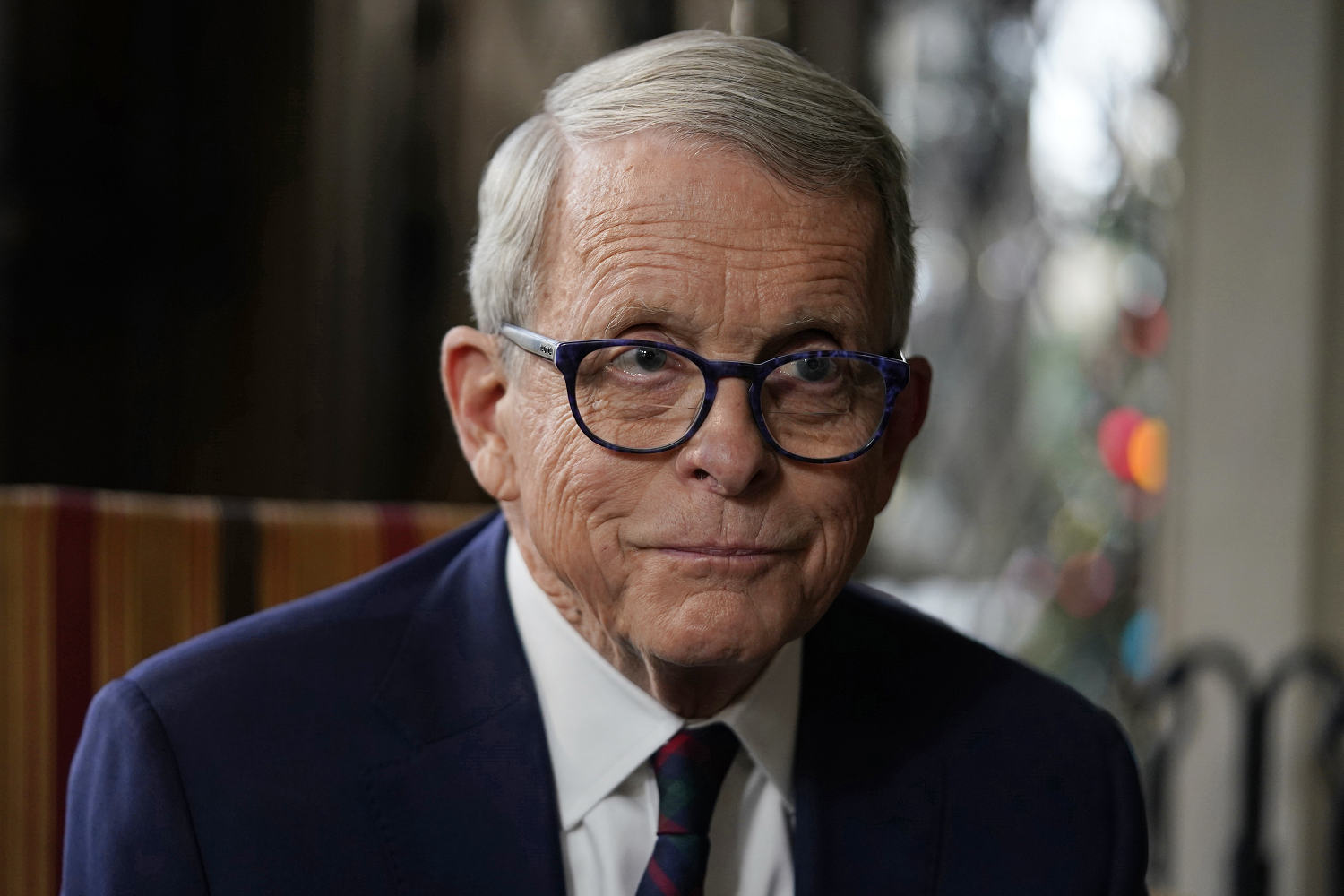
Trump Backs Ramaswamy Ad as Ohio Governor Calls for Its Removal
An attack ad featuring Amy Acton's estranged mother has split Republicans, with President Donald Trump defending it as Ohio Gov. Mike DeWine urges its removal before November's election.
36 sources · over 5 days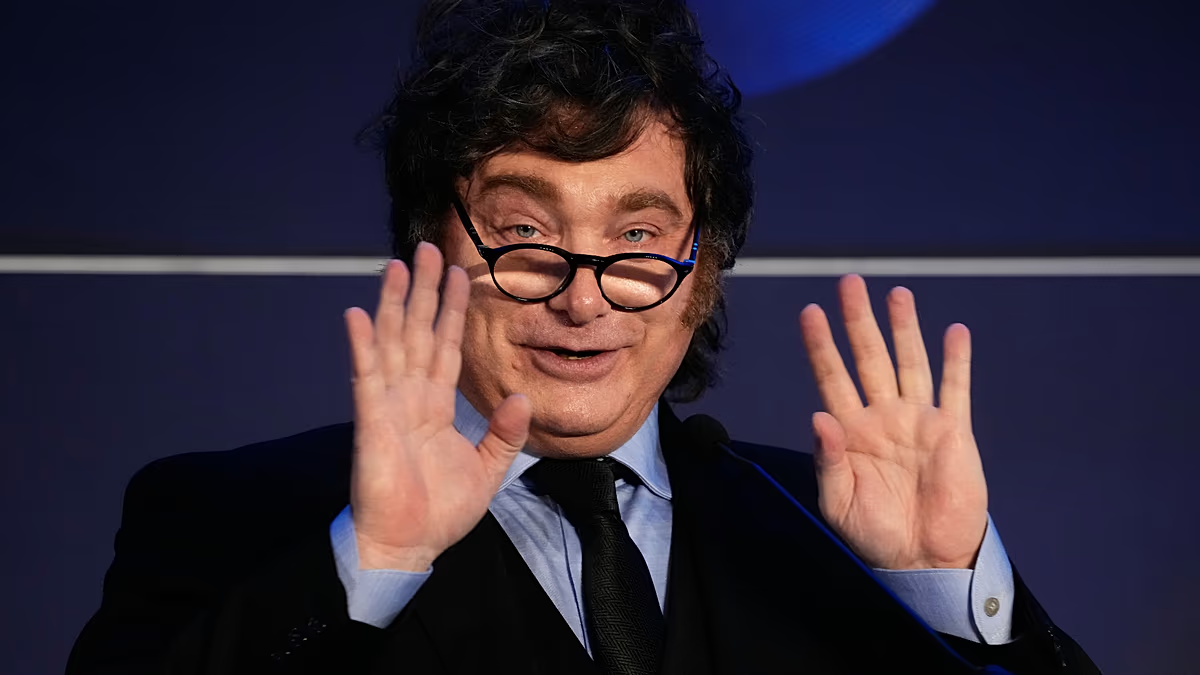
Milei's Madrid Visit Sparks Sánchez Clash as Argentine Opposition Seeks Unity
Javier Milei's attacks on Pedro Sánchez turned his Madrid visit into a political confrontation, while Argentina's opposition moved toward a common congressional strategy ahead of the 2027 elections.
13 sources · over 6 days
Lula and Flávio Bolsonaro Take Brazil's Election Fight From Debate to Court
Days before Brazil's October 25 runoff, the rivals are seeking each other's disqualification after a bitter televised debate, while polls show a closely contested race.
37 sources · over 8 days