
US Approves Nearly 880,000 AI Chip Sales to China as Scrutiny Mounts
Newly released licence records show Washington cleared large volumes of Nvidia and AMD chips for Chinese buyers, prompting congressional and state investigations.
By Hushread Stories, from 68 outlets · First published 20 Nov 2026 · Chapter 8 of 8
Earlier: California Subpoenas Nvidia as Congress Reveals Nearly 900,000 AI Chips Approved for China
In brief
- A House committee released licence data showing Commerce approved sales of roughly 880,000 Nvidia and AMD AI chips to Chinese companies.
- The Washington Post reported Nvidia's share of those approvals at about 580,000 chips, with other coverage giving different breakdowns.
- Some approved buyers are firms the Pentagon classifies as Chinese military companies, according to the released applications.
- California Attorney General Rob Bonta served Nvidia with an investigative subpoena on November 19 over possible chip diversion and investor disclosures.
- Trump says only older chips such as the H200 should be sold to China, while lawmakers push for tougher rules on remote access to advanced chips.

Timeline · 9 moments
Released licence records deepen pressure on Nvidia over China sales
South China Morning Post ↗Chinese tech giants lean on domestic chips after new US curbs
Fortune ↗House Democrats press Lutnick on Nvidia and Megaspeed probe
BigGo Finance — Real-time Stock Quotes, Financial & Business News ↗Report links Alice Huang to firms tied to Chinese military
NYTimes.com Home Page (U.S.) ↗Approvals broken down by buyer, including Alibaba and Tencent
Top World News- News18.com ↗Nvidia asked to sell chips to military-tied firms and Megaspeed
NYTimes.com Home Page (U.S.) ↗Commerce approved over 879,000 AI chips for China, Mast says
CNBC ↗House committee releases confidential Chinese chip licence applications
South China Morning Post ↗Jensen Huang resigns from Nvidia after affair scandal
TechCrunch ↗Update 21 Nov 2026, 3:08 am UTC
The story has moved from the Commerce approvals and the California subpoena toward wider policy fights. Coverage now reports that the Trump administration is signalling mixed positions on chip sales, with Trump reaffirming that only older chips such as the H200 can go to China, and lawmakers pressing for tougher remote-access rules. Reuters style reporting on the released licence data, as South China Morning Post put it, has deepened pressure on Nvidia, while The Washington Post reported the approval figure at 580,000 Nvidia chips, a number that sits alongside the wider total of nearly 880,000 across both firms. The headline's core facts still hold, but the figures are now contested across outlets.
How it started
The immediate trigger was a scandal at the top of Nvidia. TechCrunch reported that Jensen Huang resigned from the company following an affair, with potential national security ramifications as the US and China race to build advanced AI infrastructure.
The woman at the centre of it is Alice Huang, whom US intelligence officials have accused of being a Chinese spy, according to Politico. The New York Times reported that companies linked to her belong to a network of Chinese tech firms and defense contractors that need advanced computing power.
That turned a corporate scandal into a question about export controls. If the chipmaker's leader was a target of a Chinese operation, lawmakers wanted to know what had actually been shipped, and to whom.
How it unfolded
On November 19, a US House committee released confidential licence applications from Chinese companies seeking Nvidia and AMD chips, information normally protected under export rules, according to the South China Morning Post. CNBC reported that Rep. Mast said Commerce had approved sales of more than 879,000 AI chips to Chinese companies, and that members of Congress are pushing for legislation to tighten export controls.
The breakdown drew attention. News18 reported the approvals included 75,000 chips for Alibaba, 150,000 for Tencent, 43,000 for Baidu and 4,000 for BYD. The Register said the Bureau of Industry and Security allowed sales to entities the Department of War classifies as Chinese military companies. The New York Times reported that Nvidia had also asked to sell chips to companies tied to the Chinese military and to Megaspeed. Nvidia said its H200 shipments were legal and authorized, according to Yahoo Finance.
The same day, California moved. Attorney General Rob Bonta served Nvidia with an investigative subpoena, as Politico and the BBC reported. His office wants to know whether advanced chips or confidential information reached China and whether Nvidia misled investors and the public. "The conduct of Nvidia and its former CEO raises bright red flags, including about the ways in which the company may have misled investors," Bonta said, per the New York Post.
Pressure also landed on AMD. Techmeme relayed Bloomberg's report that AMD shares fell more than 6 percent after Hunterbrook disclosed a short position, warning of circular deals. Forbes said shares kept sliding in premarket trading on claims of ties to Chinese firms subject to US export restrictions.
Where it stands
The fallout is now reaching Chinese buyers. CNBC reported that Chinese tech firms face new US restrictions on remote access to advanced AI chips and Nvidia's suspension of some shipments to China. Fortune said Tencent and Alibaba argue domestic chips can cushion their cloud businesses, though they acknowledged new restrictions could still slow development of new models.
Enforcement gaps remain a live issue. News18 cited records indicating restricted hardware still reaches blacklisted Chinese universities through grey-market channels. BigGo Finance reported that two House Democrats are pressing Commerce Secretary Lutnick on whether Nvidia tried to shape a federal investigation into Megaspeed, the Singapore-based cloud provider suspected of funneling advanced chips.
What to watch
Huang is set to appear before US congressional committees, according to the Express & Star. Whatever he says there, and whatever the subpoenaed documents show, will shape both the California inquiry and any legislation.
Open questions include whether Congress rewrites export controls, whether Commerce explains approvals for military-linked buyers, and whether AMD becomes the next target. Business Line has also examined the legal exposure facing Huang, Nvidia and its directors.
More in Technology
All →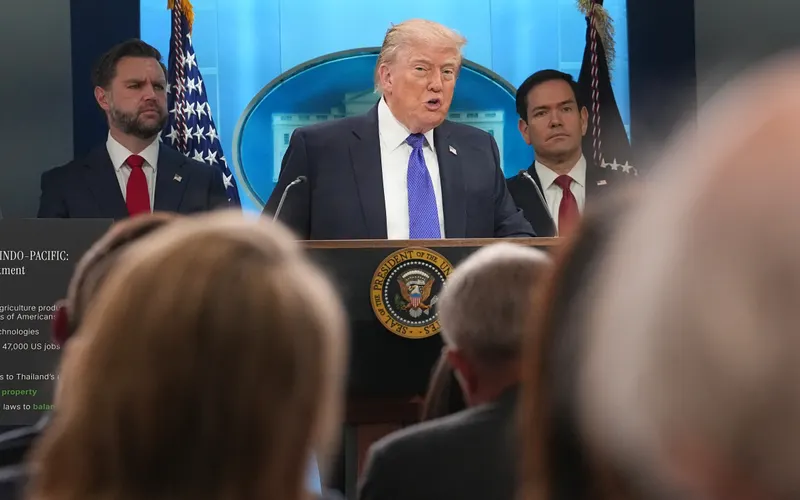
Trump Threatens 'Tremendous Tax' on US Firms Building AI Data Centers Abroad
President Donald Trump says American tech companies that put AI data centers in other countries will be taxed or blocked, but he has offered no details on how it would work.
30 sources · today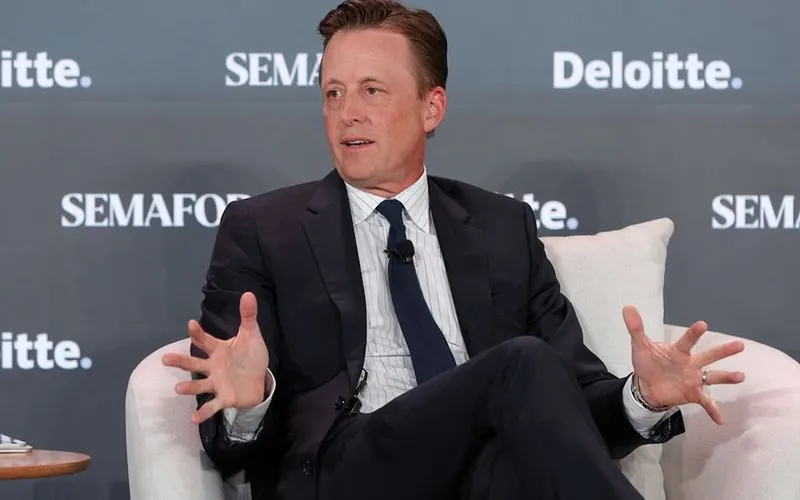
White House Names Kirsten Davies to Replace Cyber Director Sean Cairncross
The Pentagon's chief information officer is set to take over the post after a week of technology outages, though accounts differ on why Cairncross is leaving.
51 sources · over 2 days
Early Black Friday 2026 Tech Deals Arrive, Led by Apple and Samsung
Retailers opened Black Friday discounts more than a week early, with Apple and Samsung hardware dominating the price cuts. Amazon's official sale went live on November 19, so shoppers can compare offers now.
46 sources · over 7 days