
Christina Applegate Says Her Multiple Sclerosis Diagnosis Was Wrong
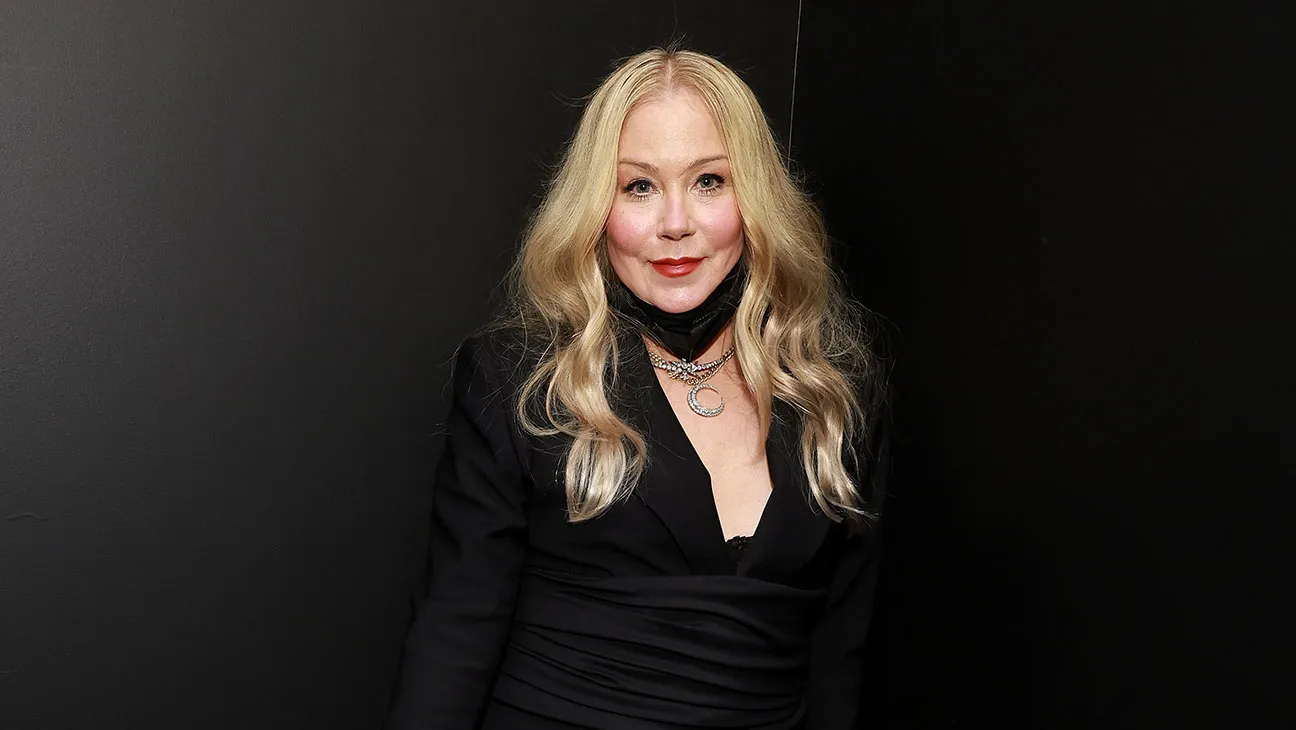
Christina Applegate says she does not have multiple sclerosis, but her health has not improved, leaving her shocked and back at the beginning of her search for answers.
By Hushread Stories, written with AI from 8 outlets · First published 20 Oct 2026
In brief
- Christina Applegate announced on Tuesday that she had been misdiagnosed with multiple sclerosis and does not have it.
- She had received the diagnosis in 2021 and subsequently became an advocate for people coping with the disease.
- Applegate shared the news on her podcast MeSsy, describing the revelation as a return to square one.
- She said her health had not improved simply because she learned that the original diagnosis was wrong.
- The supplied reports do not identify a replacement diagnosis or explain what her next medical steps will be.
Timeline · 1 moments
Applegate announces she was misdiagnosed with multiple sclerosis
NBC News ↗How it started
Christina Applegate was diagnosed with multiple sclerosis in 2021, according to Deadline Hollywood. In the years that followed, she became an advocate for people coping with the disease.
That diagnosis had provided a name for her health struggles. Now, Applegate says it was wrong, without bringing an improvement in how she feels, The Hollywood Reporter reported.
How it unfolded
On October 20, 2026, Applegate announced that she had been misdiagnosed with multiple sclerosis, according to NBC News.
She shared the news on her podcast, MeSsy. Consequence of Sound reported that the disclosure came in a two-part installment of the show.
Applegate stressed that the change in diagnosis had not made her better. "You don't get misdiagnosed and then all of a sudden, I'm better. I haven't gotten better," she said, according to The Hollywood Reporter.
Where it stands
Applegate said she was still in a state of "shock" after learning she does not have multiple sclerosis, Express & Star reported. She described herself as "back at square one," according to The Hill.
The distinction is central to her announcement: she says the diagnosis was incorrect, not that her health problems have resolved. The supplied coverage does not identify another diagnosis or set out her next medical steps.
More in Health
All →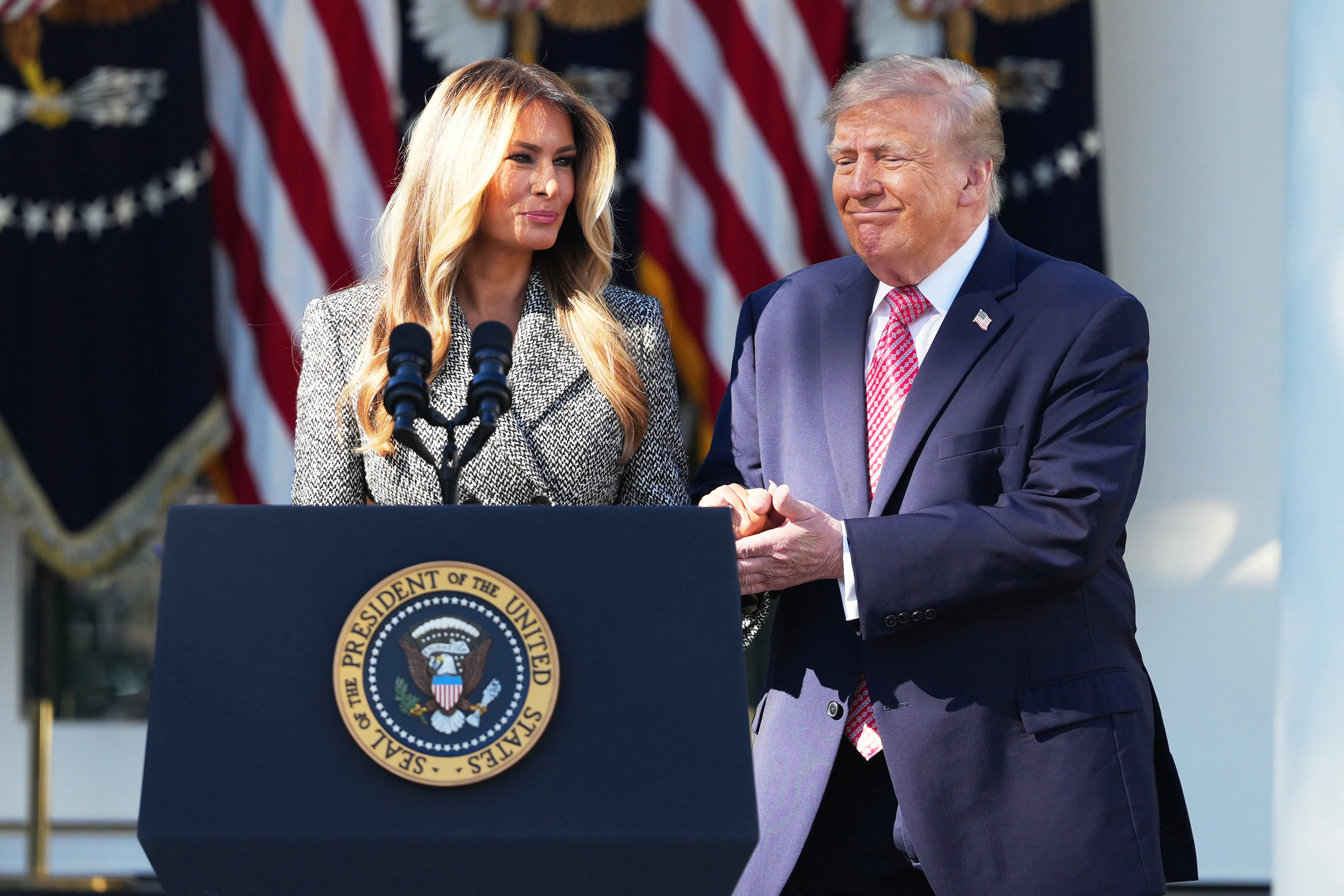
Trump signs order creating NIH division focused on women's health
The order creates a research division and a White House task force after Melania Trump pressed the administration to give women's health greater priority.
11 sources · today
Pope Leo XIV leads public prayer after lung cancer surgery
Pope Leo XIV has made a public appearance a day after leaving hospital, but details needed to assess his cancer prognosis have not been disclosed.
74 sources · over 8 days
Social Security announces 3.6% cost of living increase for 2027
The adjustment will raise monthly benefits by an average of about $75 for more than 72 million people starting in January 2027.
20 sources · over 6 days